
Messi pays tribute to Nadal at the World Cup: ‘I can really identify with Rafa’ – ATP Tour
Lionel Messi stated he identifies strongly with tennis legend Rafael Nadal, citing the Spanish athlete’s mental resilience as a source of inspiration. According to the ATP Tour and other reports, Messi credited a Netflix series about Nadal for helping him maintain his focus and mindset during the FIFA World Cup, noting that the two athletes share similar professional trajectories and mentalities.
Why Lionel Messi identifies with Rafael Nadal
Lionel Messi has publicly acknowledged a deep personal and professional kinship with Rafael Nadal. In statements reported by the ATP Tour, the Argentine captain noted, “I can really identify with Rafa,” suggesting that the parallels between their careers extend beyond mere athletic success. Messi’s identification with Nadal centers on the shared experience of maintaining elite performance over two decades while operating under the most intense global scrutiny.
According to reports from CaughtOffside, Messi explicitly stated, “We’re very similar,” highlighting a mutual understanding of the pressures that come with being the face of a national sport. Both athletes have transitioned from young prodigies to veteran leaders, enduring physical tolls and the constant demand for perfection. This connection is not merely based on trophies, but on the psychological fortitude required to stay at the top of their respective sports.
The similarity Messi references likely stems from several key factors:
- Longevity: Both have dominated their sports for nearly 20 years.
- National Expectation: Messi carries the hopes of Argentina; Nadal carries those of Spain.
- Resilience: Both have had to overcome significant injuries and periods of doubt.
- Work Ethic: A shared commitment to rigorous preparation and routine.
The role of the Netflix series in Messi’s World Cup routine
The catalyst for this public tribute was a Netflix documentary series focusing on Rafael Nadal’s career and mental approach. According to India Today, Messi integrated watching the series into his routine during the FIFA World Cup, using the narrative of Nadal’s struggles and triumphs as a mental tool. This unconventional preparation method allowed Messi to draw parallels between Nadal’s tenacity on the clay courts and his own requirements on the football pitch.
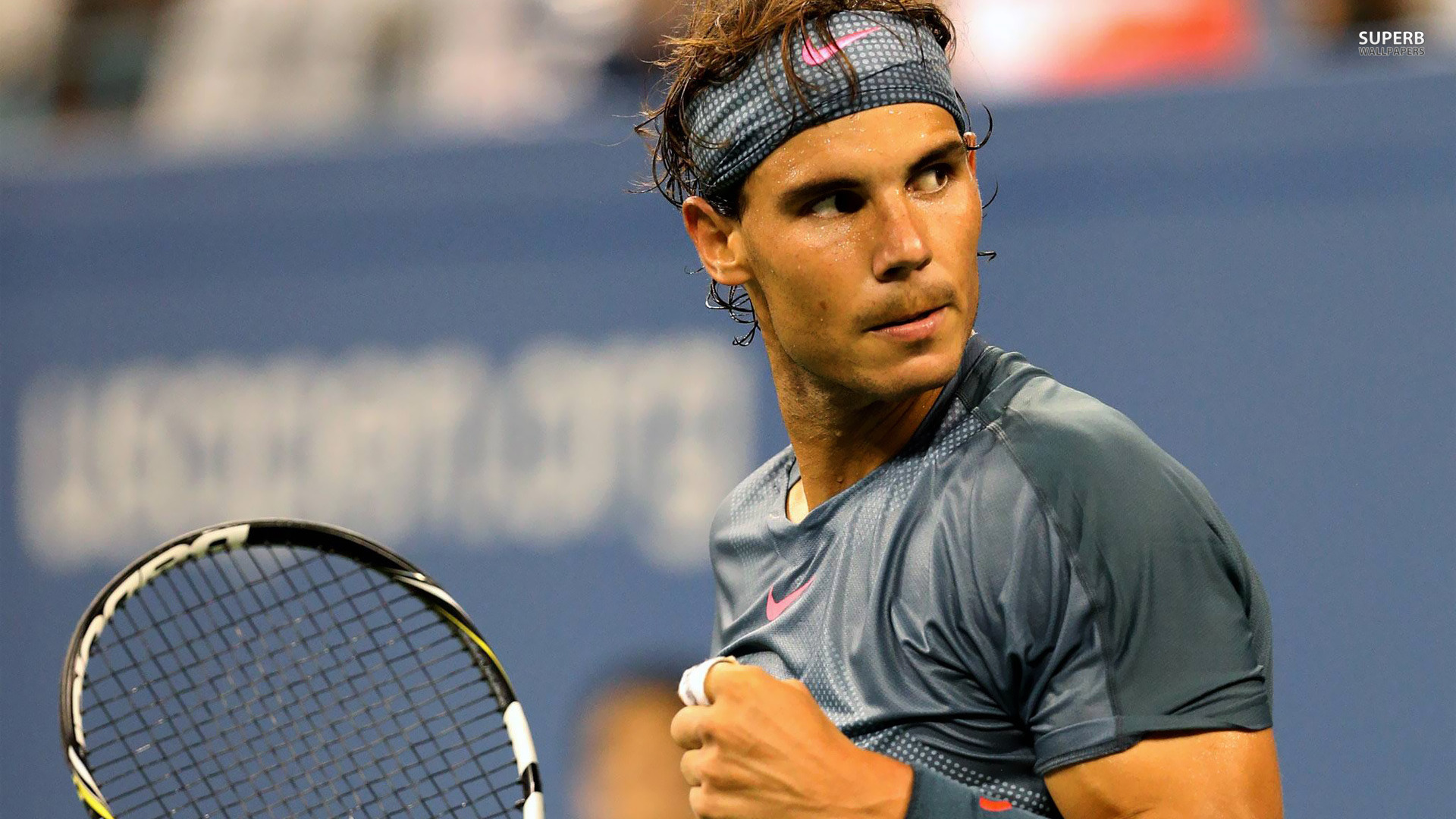
Foot.mundo reports that Messi specifically credits the Netflix series for contributing to his success during the tournament. By observing Nadal’s ability to fight through adversity and maintain a disciplined mindset, Messi found a mirror for his own challenges. The series provided a window into the “invisible” work—the mental grinding and the refusal to surrender—that defines Nadal’s game.
“I identify a lot with Rafa Nadal,” Messi noted, as reported by Punto de Break, emphasizing that the mental blueprints for success are often universal across different sporting disciplines.
For Messi, the series served as more than entertainment; it was a form of psychological priming. By focusing on the grit of a fellow sporting icon, Messi was able to reinforce his own resolve during the high-stakes environment of the World Cup.
Comparing the mentalities of Messi and Nadal
The comparison between a footballer and a tennis player may seem disparate, but the psychological demands of their roles are nearly identical. Both athletes operate in environments where a single mistake can lead to national disappointment. According to the reports from CaughtOffside and the ATP Tour, the “similarity” Messi feels is rooted in the burden of excellence.
Nadal is renowned for his “suffering” on court—a term he often uses to describe the process of enduring physical and mental pain to secure a victory. Messi has mirrored this in his later career, particularly with the Argentine national team, where his journey to the World Cup title was marked by years of heartbreak and intense criticism from his own countrymen.
| Trait | Lionel Messi (Football) | Rafael Nadal (Tennis) |
|---|---|---|
| Primary Pressure | National expectation in Argentina | Dominance on clay/Spanish pride |
| Mental Approach | Quiet resilience and technical precision | Aggressive tenacity and “suffering” |
| Career Arc | Early dominance $\rightarrow$ National struggle $\rightarrow$ Ultimate glory | Early dominance $\rightarrow$ Injury battles $\rightarrow$ Sustained excellence |
| Inspiration Source | Nadal’s mental toughness (via Netflix) | Internal discipline and family values |
This shared blueprint of “resilience through suffering” is likely why Messi feels such a strong identification with Nadal. While their physical movements differ, their internal dialogue during a crisis—whether it is a penalty shootout or a fifth-set tiebreak—is remarkably similar.
How this tribute impacts the perception of elite performance
Messi’s admission that he looked to another athlete for inspiration during the World Cup challenges the notion that the world’s greatest players are self-contained islands of confidence. According to the context provided by India Today and foot.mundo, Messi’s use of the Nadal documentary suggests that even the most decorated athletes seek external mental models to navigate extreme pressure.
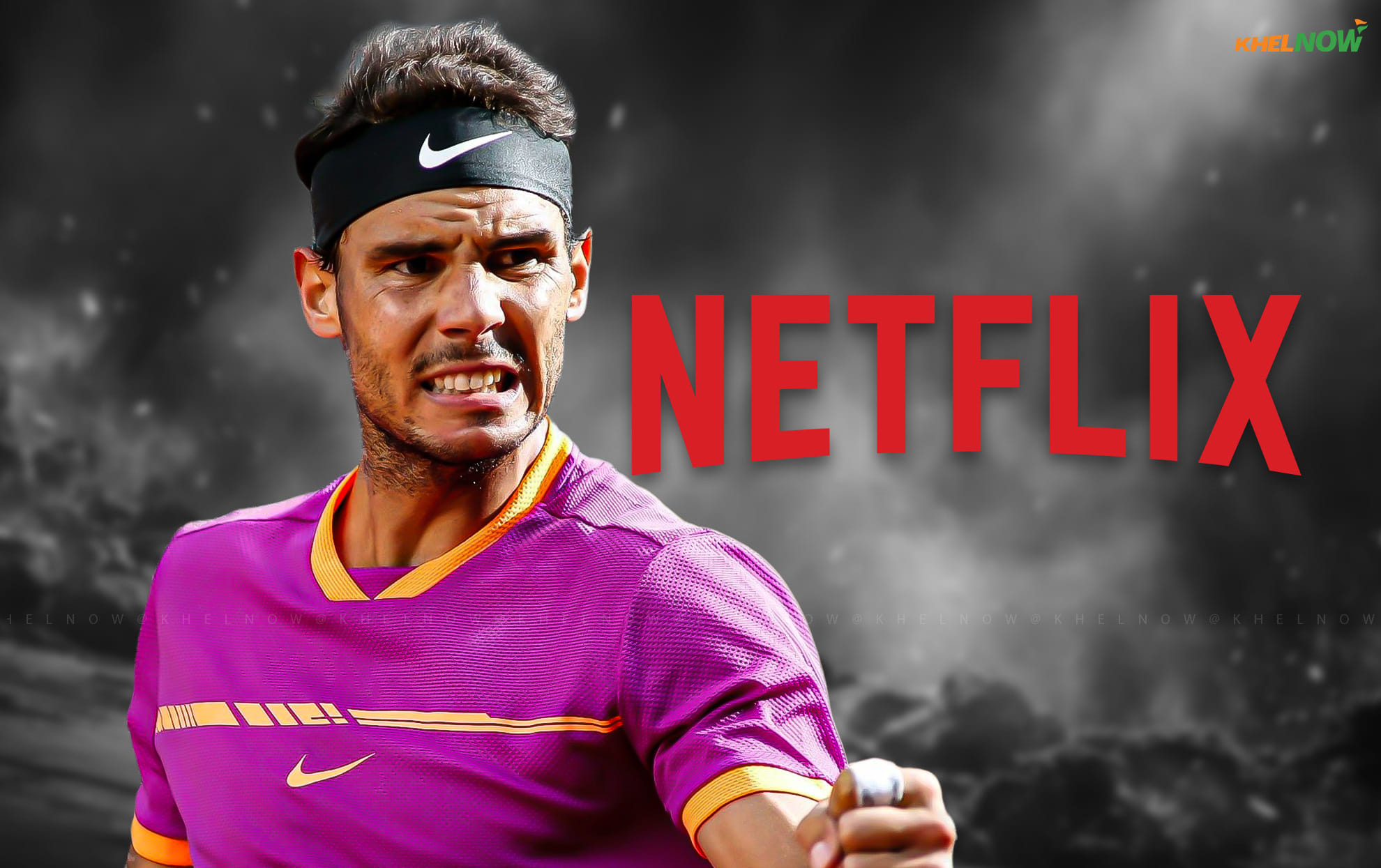
This cross-sport inspiration is a recognized phenomenon in high-performance psychology. When an athlete reaches the ceiling of their own sport, they often look to other disciplines to find new ways to conceptualize mental toughness. By identifying with Nadal, Messi shifted his perspective from the specific tactical demands of football to the broader philosophical demands of being a “champion.”
Key implications of this mindset include:
- Normalization of Mental Support: Messi’s openness about using a documentary for mental strength highlights the importance of psychological tools.
- Universalism of Greatness: It suggests that the “will to win” is a transferable skill that transcends the specific rules of a game.
- The Power of Storytelling: The fact that a Netflix series served as the medium shows how narrative-driven content can influence professional athletic preparation.
The broader context of the World Cup and Messi’s journey
To understand why Messi would seek out Nadal’s mindset, one must consider the specific pressure of the World Cup. For Messi, the tournament was not just about football; it was about his legacy and his relationship with Argentina. For years, he faced accusations that he did not feel the same passion for the national team as he did for his club. This created a psychological weight that mirrored the physical toll Nadal has faced throughout his career.
According to the framing in Punto de Break, the identification with Nadal was a way for Messi to validate his own struggle. Nadal’s career has been a series of battles against his own body and the expectations of the world. By aligning himself with this narrative, Messi could frame his own World Cup journey as a battle of attrition and will, rather than just a series of matches.
The result of this mental alignment was evident in Messi’s leadership during the tournament. He displayed a level of emotional intensity and persistence that mirrored the “Rafa-esque” approach—refusing to accept defeat even when the odds shifted.
The intersection of Spanish and Argentine sporting culture
There is also a cultural layer to this connection. Both Spain and Argentina share a deep, almost religious devotion to sport. The pressure to perform in these cultures is not merely professional; it is social and emotional. Nadal and Messi have both navigated the complexities of being national symbols in cultures where sport is a primary pillar of identity.
This shared cultural background enhances the “similarity” Messi mentioned. They both understand the unique flavor of Latin/Mediterranean pressure, where the highs are euphoric and the lows are devastating. This shared cultural shorthand makes Nadal’s experience an ideal reference point for Messi.
Common misconceptions about the Messi-Nadal connection
A common oversimplification of this story is that Messi simply “likes” Nadal or is a fan of tennis. However, the reports from the ATP Tour and CaughtOffside indicate something deeper than fandom. This is a strategic identification. Messi was not looking for tennis tips; he was looking for a mental framework for endurance.
Another misconception is that this was a casual comment. Given that Messi credited the documentary as part of his “routine,” it suggests a deliberate attempt to incorporate Nadal’s mental habits into his daily preparation. This was a calculated psychological move to ensure he remained centered during the chaos of the World Cup.
Finally, some may assume that the two athletes have a close, daily mentorship. While they share mutual respect and a similar worldview, the “tribute” was primarily sparked by the documentary. The connection is one of shared experience and ideological alignment rather than a formal coach-student relationship.
The legacy of cross-sport inspiration
The fact that the ATP Tour highlighted Messi’s comments underscores the value of this connection for both sports. It elevates the conversation around athletic performance from physical stats to mental fortitude. When a figure as influential as Lionel Messi publicly identifies with the mental grit of Rafael Nadal, it provides a blueprint for younger athletes across all sports.
This interaction proves that the pursuit of excellence is a universal language. Whether it is a racket or a ball, the internal struggle to remain composed under pressure is the same. Messi’s tribute to Nadal is a testament to the idea that greatness recognizes greatness, regardless of the arena.
As both athletes enter the twilight of their careers, their shared legacy will likely be defined not just by the trophies they won, but by the mental strength they modeled for the world. Messi’s ability to find strength in Nadal’s story serves as a reminder that the mind is the most important muscle an athlete can train.
Frequently Asked Questions
Why did Lionel Messi mention Rafael Nadal during the World Cup?
Messi mentioned Nadal because he identifies with the tennis legend’s mental resilience and professional journey. According to the ATP Tour, Messi feels they are “very similar” in how they handle pressure and maintain longevity at the top of their respective sports.
How did a Netflix series influence Lionel Messi’s performance?
Reports from India Today and foot.mundo state that Messi watched a Netflix series about Rafael Nadal as part of his World Cup routine. He used Nadal’s story of overcoming adversity and his disciplined mental approach as inspiration to maintain his own focus and drive during the tournament.

What specific similarities does Messi see between himself and Nadal?
Messi views their similarity through the lens of professional pressure and longevity. Both athletes have served as the primary sporting icons for their countries (Argentina and Spain) and have had to maintain elite standards of performance over two decades despite injuries and immense public expectation.
Is this a formal partnership between Messi and Nadal?
No. Based on the reports from Punto de Break and CaughtOffside, this is a personal identification and a tribute to Nadal’s mindset rather than a formal business partnership or coaching arrangement. The connection was primarily sparked by Messi’s viewing of the Nadal documentary.
Which sources reported on Messi’s tribute to Nadal?
The story was reported by several outlets, including the ATP Tour, India Today, foot.mundo, Punto de Break, and CaughtOffside, each highlighting different aspects of Messi’s comments regarding his identification with Nadal’s mentality.
