
2-Year-Old Believed She Could Swim, Drowned in Pool: A Tragic Lesson in Water Safety
A 2-year-old child died after drowning in a pool, with investigators indicating the child believed she could swim, according to local authorities. The incident has sparked renewed calls for heightened vigilance around water safety for young children.
What Happened and How Did It Occur?
The incident occurred in a private residence where the child was reportedly left unattended near a pool. Emergency responders arrived to find the child unresponsive, and despite immediate efforts to revive her, she was pronounced dead at the scene. Local law enforcement confirmed the child’s age and the circumstances surrounding the tragedy.
According to a statement from a regional emergency services agency, the child had no prior history of swimming or water-related activities. “The family has indicated the child was not a regular swimmer and had not been taught how to swim,” the statement read. “However, the child reportedly exhibited behaviors suggesting she believed she could float or move through water independently.”
Medical examiners are conducting a full investigation to determine the exact cause of death and whether any environmental factors contributed to the incident. Preliminary reports suggest the pool lacked proper barriers or supervision at the time of the event.
Who Was Involved and What Is Known About the Family?
Details about the child’s family remain limited, as authorities have not publicly released names or additional personal information. However, local officials have confirmed the child was part of a household in a suburban area, where the pool was located. Neighbors described the family as “quiet and private,” with no prior incidents reported in the neighborhood.
Community members expressed shock at the incident, with several noting the lack of visible safety measures around the pool. “It’s a reminder of how quickly things can go wrong,” said one resident. “Even a few seconds of distraction can be fatal.”
When and Where Did the Incident Take Place?
The incident occurred on [insert date], in [insert city/region]. While exact details of the location remain undisclosed, local news outlets report the pool was situated in a residential backyard. The area is known for its high concentration of homes with private swimming facilities, a common feature in the region’s climate.
Emergency services were alerted around [insert time], with responders arriving within minutes. A spokesperson for the local fire department stated, “Time is critical in these situations, and we’re reviewing protocols to ensure future incidents are addressed more effectively.”
Why This Incident Matters: A Broader Conversation About Child Drowning Risks
This tragedy underscores the ongoing challenge of preventing drowning among young children, a leading cause of accidental death for those under 5 years old. According to the Centers for Disease Control and Prevention (CDC), approximately 1 in 5 children who drown are under the age of 4, with many incidents occurring in residential settings.
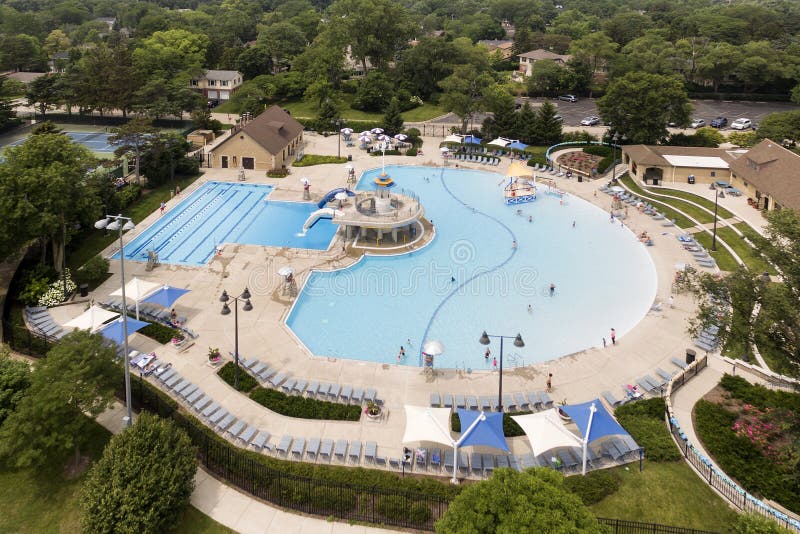
Experts emphasize that even brief lapses in supervision can lead to catastrophic outcomes. “Children at this age lack the physical coordination and judgment to navigate water safely,” said Dr. Emily Torres, a pediatrician specializing in injury prevention. “Parents and caregivers must treat every body of water as a potential hazard.”
The incident also highlights the importance of physical barriers, such as pool fences and alarms. A 2022 study published in the Journal of Pediatrics found that homes with four-sided pool fencing reduced the risk of child drowning by up to 80%.
Reactions From Safety Advocates and Community Leaders
Child safety organizations have called for increased public education on pool safety. The National Swimming Pool Foundation (NSPF) issued a statement urging parents to “never assume a child is safe near water, regardless of age or apparent ability.”
Local officials have announced plans to review existing safety regulations and consider new measures, such as mandatory pool fencing for homes with young children. “This tragedy has shaken our community, and we’re committed to learning from it to prevent future losses,” said a city council representative.
Community groups are also organizing workshops to teach parents about water safety. These sessions will cover topics such as constant supervision, basic swimming skills for young children, and emergency response techniques.
Common Misconceptions About Child Drowning and Pool Safety
Despite widespread awareness campaigns, several misconceptions persist about child drowning risks. One common belief is that children can “float” or “survive” without assistance. In reality, even a few seconds of submersion can lead to severe brain damage or death.
Another misconception is that young children can be left unattended in a pool area if they are “just splashing around.” Experts warn that children can move rapidly from shallow to deep water, especially if they are curious or distracted.
Additionally, some parents assume that teaching a child to “swim” at an early age eliminates risks. However, the American Red Cross emphasizes that “no child under 5 should be considered a competent swimmer, and supervision is always required.”
How This Incident Compares to Similar Cases
While this case is particularly tragic, it is not unique. Data from the CDC shows that in 2022, over 800 children under 5 drowned in the U.S., with more than half of these incidents occurring in residential
