
‘What’s the opposite of a gay demon?’: The creepy new Australian horror film that’s getting global buzz
Leviticus, a queer horror film created by Adrian Chiarella, has emerged as a global critical success and the highest-rated horror movie of 2026 on Rotten Tomatoes. The Australian production explores intersections of desire, fear, and nostalgia, gaining international attention for its provocative subversion of supernatural tropes and queer identity.
How did Leviticus become the top-rated horror film of 2026?
The Australian production Leviticus has officially surpassed Obsession to claim the title of the best Rotten Tomatoes scored horror movie of 2026, according to reporting from Forbes. This shift in rankings marks a significant milestone for the film, moving it from a buzzed-about independent project to a statistically dominant force in the genre’s current critical landscape.
Industry analysts note that Rotten Tomatoes scores often reflect a consensus among professional critics rather than general audience sentiment, suggesting that Leviticus has achieved a level of technical and narrative precision that resonates with critics. The “dethroning” of Obsession indicates a pivot in the horror market toward films that blend psychological depth with high-concept supernatural elements.
| Film | 2026 Status | Key Distinction |
|---|---|---|
| Leviticus | Current Top Scored | Queer horror themes; Australian production |
| Obsession | Former Top Scored | Previous critical leader for 2026 |
The film’s rise is attributed to its ability to generate “global buzz,” a phenomenon The Guardian identifies as being linked to the film’s unsettling atmosphere and its willingness to ask provocative questions about morality and identity. By securing a top spot on a major aggregator, the film has moved beyond the “cult” category into a mainstream critical powerhouse.
Who is Adrian Chiarella and what inspired Leviticus?
Adrian Chiarella is the creator and driving force behind Leviticus. According to IF Magazine, Chiarella designed the film to tap into a specific blend of fear and nostalgia. This approach suggests a narrative that does not rely solely on jump scares but instead utilizes the audience’s own memories and emotional vulnerabilities to create tension.

In discussions regarding the film’s development, Chiarella has focused on the concept of “queer horror” and the complexities of desire. As reported by the Star Observer, the creator views the film as an exploration of how desire can be both a source of liberation and a catalyst for horror. This thematic duality allows the film to function as both a genre piece and a character study.
- Fear: Utilized not just as a plot device, but as a reflection of societal anxieties.
- Nostalgia: Employed to ground the supernatural elements in a recognizable, human past.
- Desire: Framed as a central engine for the plot, driving the characters toward inevitable conflict.
Chiarella’s direction emphasizes a “creepy” aesthetic that avoids traditional horror clichés. By focusing on the psychological weight of the characters’ experiences, the filmmaker has created a work that challenges the viewer’s perception of what constitutes a “monster” in modern cinema.
Why is the “gay demon” concept driving global interest?
The film has gained significant traction online due to a specific, provocative query: “What’s the opposite of a gay demon?” According to The Guardian, this question serves as a window into the film’s subversive approach to religious and supernatural iconography.
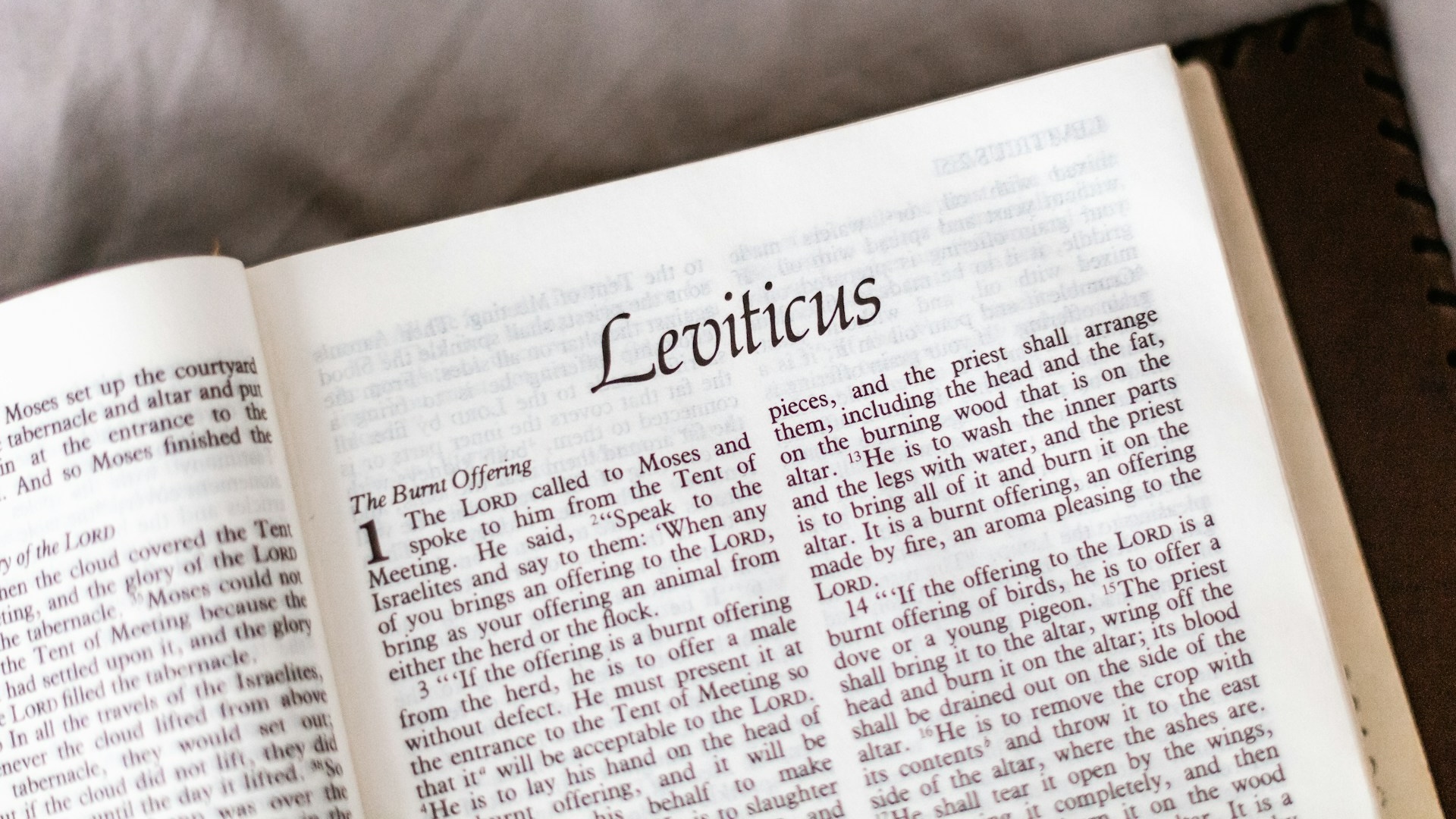
Historically, demons in horror cinema have been used as metaphors for “sin” or “deviation,” often targeting marginalized identities. Leviticus flips this trope. By centering the narrative around a “gay demon” or the inversion of such a figure, the film questions the traditional binary of holy versus unholy. This narrative choice has sparked intense discussion among viewers and critics regarding the intersection of faith, sexuality, and the supernatural.
The global buzz stems from this willingness to engage with religious texts—as implied by the title Leviticus—and reinterpret them through a queer lens. This creates a tension between the restrictive nature of the biblical book of Leviticus and the expansive, often chaotic nature of queer desire. The result is a film that functions as a critique of traditional morality while remaining a functional piece of horror entertainment.
What defines the “queer horror” elements of the film?
Queer horror is a subgenre that explores the unique fears and experiences of LGBTQ+ individuals, often using the supernatural to mirror real-world marginalization. In Leviticus, this is manifested through the exploration of “desire,” according to the Star Observer.
Unlike traditional horror, where the “other” is the source of the threat, Leviticus integrates the queer experience into the very fabric of its supernatural elements. The film does not treat queer identity as a plot twist or a side note; rather, it is the central axis upon which the horror revolves. This approach aligns the film with a growing trend of “elevated horror” that prioritizes thematic depth over visceral gore.
Key elements of the film’s queer horror framework include:
- Subversion of the Monster: The demon is not merely a predator but a reflection of the protagonist’s internal desires and conflicts.
- Religious Deconstruction: Using the title and themes to challenge historical associations between queer identity and damnation.
- Emotional Intimacy: Using the horror genre to explore the intensity of queer attraction and the fear of rejection or discovery.
This thematic layering explains why the film has resonated globally. It provides a representation of queer identity that is not sanitized, instead embracing the “creepy” and the “dark” to express a more honest version of the human experience.
Where can audiences watch Leviticus in Australia?
For viewers located in Australia, access to the film is available through specific channels detailed by Flicks.com.au. As a domestic production, the film has seen a targeted rollout to ensure it reaches both cinephiles and fans of the horror genre within its home country.

The distribution strategy reflects the film’s status as a critical darling. While it has achieved global buzz, its Australian release focuses on providing a curated experience for audiences who are interested in the intersection of independent cinema and genre filmmaking. Potential viewers are encouraged to check local cinema listings and streaming availability as the film’s footprint expands following its Rotten Tomatoes success.
For those interested in the broader context of Australian cinema, Leviticus represents a shift toward more daring, thematic storytelling that competes on a global scale. The success of the film suggests a growing appetite for Australian stories that tackle complex social identities through the lens of high-concept genre fiction.
Frequently Asked Questions
What is the plot of Leviticus?
While specific plot beats are kept under wraps to preserve the mystery, the film focuses on the intersection of queer desire and supernatural horror, utilizing a “gay demon” concept to explore themes of fear and nostalgia.
Who directed Leviticus?
The film was created and directed by Adrian Chiarella, who has stated that the project aims to blend psychological fear with nostalgic elements.
Is Leviticus really the highest-rated horror movie of 2026?
According to Forbes, Leviticus has surpassed Obsession to become the best Rotten Tomatoes scored horror movie of 2026.
What does “queer horror” mean in the context of this film?
As discussed by the Star Observer, it refers to the use of horror elements to explore LGBTQ+ themes, specifically focusing on the complexities of desire and the subversion of traditional religious tropes.
Why is it called Leviticus?
The title refers to the biblical book of Leviticus, which contains laws and prohibitions. The film uses this reference to contrast religious dogma with queer identity and supernatural desire.
The trajectory of Leviticus—from an Australian independent project to a global critical leader—highlights a shift in the horror genre. By moving away from traditional scares and toward a nuanced exploration of identity and desire, Adrian Chiarella has created a work that satisfies both the need for visceral thrills and the demand for intellectual depth. As the film continues to circulate internationally, its impact on the “queer horror” subgenre is likely to grow, providing a blueprint for future filmmakers to blend social commentary with supernatural dread.
