Chris Bowen’s top mandarin lugging $2.8m of KPMG baggage – The Australian
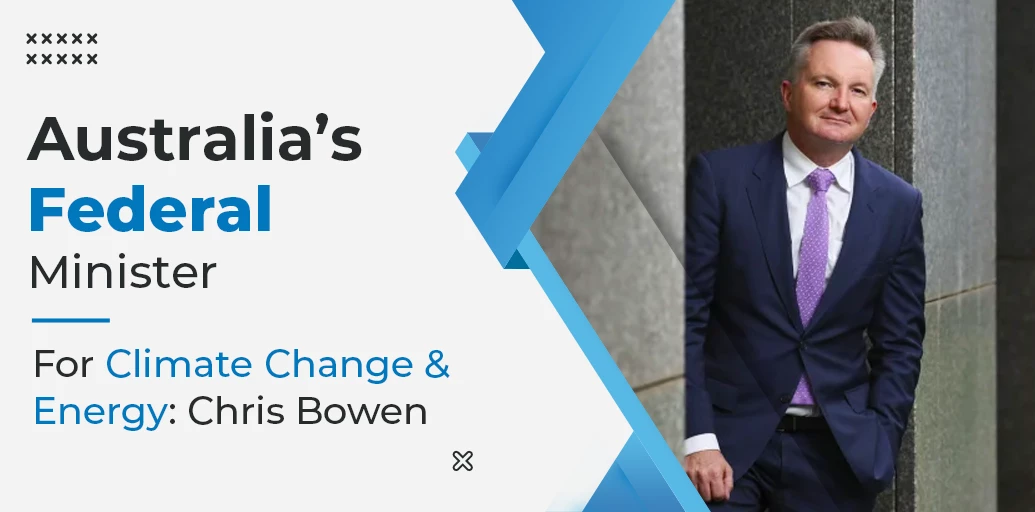
A senior official serving under Minister for Climate Change and Energy Chris Bowen is facing scrutiny over a $2.8 million connection to KPMG, coinciding with a broader crisis for the accounting giant in Australia. This development arrives as the Reserve Bank of Australia (RBA) moves to scrap its whistleblower hotline contract with the firm and global KPMG leadership takes drastic steps to prevent partners from leaving the local practice.
What is the controversy surrounding Chris Bowen’s top mandarin and KPMG?
According to reports from The Australian, a high-ranking bureaucrat—described as a “top mandarin”—working within Chris Bowen’s portfolio is linked to $2.8 million of “KPMG baggage.” While the specific nature of this financial baggage remains a point of intense scrutiny, the timing is critical. The revelation places a spotlight on the “revolving door” between the Big Four accounting firms and the senior levels of the Australian Public Service (APS).
The core of the issue centers on whether previous associations with professional services firms create conflicts of interest or perception problems when those individuals move into influential government roles. In this instance, the $2.8 million figure represents a significant financial tie that critics argue could complicate the impartial administration of government policy, particularly in a high-stakes portfolio like climate change and energy.
Key aspects of the Bowen-mandarin link:
- Financial Scale: The reported $2.8 million figure suggests a substantial prior relationship or payout.
- Position of Power: The individual is a “top mandarin,” meaning they hold significant decision-making authority.
- Timing: The disclosure comes while KPMG is embroiled in multiple systemic scandals across Australia.
Why is the RBA re-tendering its whistleblower hotline contract?
The Reserve Bank of Australia has taken a decisive step to distance itself from KPMG. RBA Governor Michele Bullock has confirmed that the central bank will re-tender the contract for its whistleblower hotline. This move is a direct response to the ongoing scandals surrounding the accounting firm, as reported by the Australian Broadcasting Corporation.
The irony of the situation is not lost on observers: KPMG was tasked with managing the very mechanism intended to report misconduct and ethical breaches. When the firm providing the whistleblower service is itself accused of credibility failures, the integrity of the entire reporting system is compromised. For the RBA, maintaining absolute trust in its internal governance is paramount, making the continuation of the KPMG contract untenable.
The decision to re-tender the contract signals a loss of confidence in KPMG’s ability to act as an independent guardian of corporate ethics.
How is KPMG global responding to the Australian crisis?
The crisis in Australia has escalated to the point that global leadership has intervened to stabilize the local arm of the business. As reported by the Australian Financial Review, KPMG global bosses have moved to block partners from exiting the firm. This “containment” strategy is designed to prevent a mass exodus of talent and capital, which could lead to a collapse of the local practice’s viability.
Blocking partner exits is an aggressive move that suggests the internal instability is more severe than publicly acknowledged. In professional services firms, partners are not just employees but owners. A wave of departures usually triggers a “run on the bank” scenario, where clients follow partners to competing firms, further eroding the company’s revenue and reputation.
This internal friction highlights a disconnect between the global brand’s desire for stability and the local reality of a firm struggling to maintain its standing in the Australian market.
Does this signal a repeat of the PwC scandal?
There are growing fears that the current KPMG situation is mirroring the catastrophic collapse of trust seen during the PwC tax leak scandal. The Herald Sun has warned that a failure to confront the facts of the KPMG crisis risks a “repeat of the PwC carve-up.”
The “carve-up” refers to a systemic culture where consultancy firms allegedly leveraged insider government information to secure lucrative contracts, effectively blurring the line between public service and private profit. The parallels are striking:
| Feature | PwC Precedent | Current KPMG Situation |
|---|---|---|
| Government Link | Insider tax leaks for client gain | Top mandarin with $2.8m “baggage” |
| Institutional Trust | Loss of Treasury credibility | RBA scrapping whistleblower contract |
| Firm Response | Internal restructuring/splits | Global bosses blocking partner exits |
The risk, as framed by current reporting, is that if the government and the firm do not implement radical transparency, the same patterns of influence-peddling and conflict of interest will persist across the entire Big Four ecosystem.
Has KPMG lost its status as a “guardian of financial credibility”?
For decades, the Big Four firms—including KPMG—have positioned themselves as the ultimate arbiters of financial truth and corporate governance. However, as noted by SMH.com.au, the recent wave of scandals has effectively “blown away” this aura. The perception of KPMG as a guardian of financial credibility has been replaced by a narrative of systemic failure.
This loss of credibility is not just a branding problem; it is a functional one. When a firm’s “aura” of integrity vanishes, its primary product—trust—becomes worthless. This is evidenced by the RBA’s decision to seek a new provider for its hotline. If the “guardians” are seen as compromised, they can no longer be trusted to watch the gates.
The erosion of trust is driven by three main factors:
- Conflicts of Interest: The movement of personnel between high-level government roles and consultancy partnerships.
- Governance Failures: The inability to maintain ethical standards within the local partnership.
- Lack of Transparency: The perception that global offices are managing the crisis through containment rather than genuine reform.
For those interested in the broader implications of these conflicts, a related explainer on the revolving door between government and consultancy may provide further context.
What are the wider implications for the Australian Public Service?
The revelation involving Chris Bowen’s top mandarin suggests that the issue of “consultancy capture” is not limited to one firm or one department. It points to a systemic vulnerability within the Australian Public Service (APS). When senior bureaucrats enter government with millions of dollars in “baggage” from the very firms they may be tasked with overseeing or hiring, it creates an inherent tension.
This situation raises critical questions about the vetting process for senior appointments. If a $2.8 million tie to a firm in crisis is only becoming public knowledge through investigative reporting, it suggests that the current disclosure frameworks are insufficient.
The long-term impact could include:
- Tighter Disclosure Rules: A push for more rigorous financial disclosures for all “mandarin” level appointments.
- Reduced Reliance on Big Four: A strategic shift by government agencies to move away from a handful of dominant consultancy firms.
- Increased Oversight: More stringent audits of how consultancy contracts are awarded to prevent “carve-ups.”
Frequently Asked Questions
Who is the “top mandarin” linked to Chris Bowen?
While the reporting from The Australian identifies the individual as a senior official (mandarin) within Chris Bowen’s portfolio, the specific name has not been detailed in the provided primary summaries. The focus remains on the $2.8 million “baggage” they bring from KPMG.
Why is the RBA ending its contract with KPMG?
RBA Governor Michele Bullock stated that the bank will re-tender the whistleblower hotline contract due to the ongoing scandals surrounding KPMG, which have compromised the firm’s credibility as an independent auditor of misconduct.
What does “blocking partner exits” mean for KPMG?
According to the Australian Financial Review, global KPMG leadership is preventing partners from leaving the Australian firm. This is a containment strategy intended to stop a collapse of the local practice during a period of extreme instability.
How does this relate to the PwC scandal?
The Herald Sun suggests that the KPMG crisis mirrors the PwC tax leak scandal, specifically regarding the risk of “carve-ups” where consultancy firms use government connections to secure unfair advantages or contracts.
What is the significance of the $2.8 million figure?
The amount represents the scale of the financial connection between a high-ranking government official and KPMG, raising questions about potential conflicts of interest in the administration of energy and climate policy.
