Freedom of Navigation in the Strait of Hormuz: EU Lists Two Individuals and One Entity
The European Union has imposed sanctions on two individuals and one entity in response to actions restricting naval traffic in the Strait of Hormuz. According to official records from consilium.europa.eu, these listings aim to safeguard the freedom of navigation in one of the world’s most critical maritime chokepoints amid rising regional tensions.
Why the EU Sanctioned Iranians Over Naval Traffic in Hormuz
The decision to target specific Iranian actors stems from a direct effort to protect international shipping lanes. As reported by Reuters, the EU has issued sanctions against Iranians specifically for restricting naval traffic within the Strait of Hormuz. This move signals a shift toward targeted accountability for those who interfere with the movement of commercial and military vessels in the region.
The Strait of Hormuz is not merely a geographic feature; it is a global economic artery. Any restriction on the freedom of navigation here has immediate repercussions for global energy markets and supply chains. By listing two individuals and one entity, the EU is attempting to create a deterrent against the weaponization of maritime access. These sanctions typically involve asset freezes and travel bans, restricting the ability of the listed parties to operate within the EU’s financial systems or enter its territory.
Key drivers behind these sanctions include:
- Protection of Trade: Ensuring that commercial tankers and cargo ships can transit without harassment.
- Upholding International Law: Reinforcing the principle that international straits must remain open to all vessels.
- Strategic Signaling: Demonstrating that interference with global trade will result in diplomatic and financial consequences.
Diplomatic Calls for Restraint Amid Middle East Tensions
While the EU is employing sanctions as a tool of pressure, there is a simultaneous and urgent push for diplomatic moderation to prevent a wider conflict. Kallas, representing the EU, has explicitly stated that the “Middle East does not need escalation,” calling for immediate restraint from all parties involved, according to Türkiye Today.
This duality—imposing sanctions while pleading for restraint—highlights the delicate balancing act the European Union is performing. The EU seeks to punish specific bad actors who threaten maritime security without triggering a full-scale military confrontation that could destabilize the entire region. The call for restraint is particularly critical as the risk of miscalculation between regional powers increases.
“Middle East does not need escalation.” — EU’s Kallas
Germany’s Push for Diplomatic Resumption
Germany has taken a focused diplomatic stance, urging both Israel and Iran to de-escalate their current hostilities. According to Anadolu Ajansı, the German government is calling for the resumption of diplomatic talks. Berlin’s approach emphasizes that only through direct or mediated communication can the cycle of retaliation be broken.
Germany’s insistence on diplomatic talks suggests a belief that the current trajectory of “tit-for-tat” actions is unsustainable. By urging a return to the negotiating table, Germany aims to provide an alternative to the escalating military posturing seen in the Persian Gulf and beyond.
Spain’s Rejection of Military Solutions
Adding to the European consensus against war, Spain has formally ruled out a military solution to the current crisis. This position comes at a volatile moment; as reported by Yeni Safak English, this stance was reinforced as an Iran-Israel truce collapsed. Spain’s insistence on non-military resolutions underscores a broader EU preference for diplomatic and economic levers over kinetic warfare.
The collapse of the truce between Iran and Israel increases the urgency of these diplomatic pleas. When diplomatic agreements fail, the risk that the Strait of Hormuz becomes a primary theater of conflict rises, which would likely lead to a global economic shock.
The Strategic Importance of the Strait of Hormuz
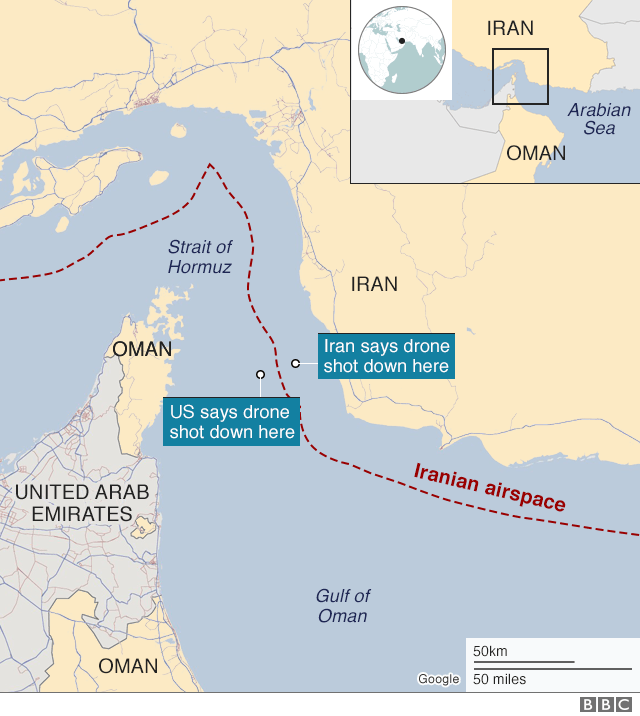
To understand why the EU listing of two individuals and one entity is significant, one must understand the geography of the Strait of Hormuz. This narrow waterway connects the Persian Gulf with the Gulf of Oman and the Arabian Sea. It is the only sea passage from the Persian Gulf to the open ocean.
The restriction of naval traffic in this area is a high-stakes geopolitical move. Because a vast portion of the world’s liquefied natural gas (LNG) and crude oil passes through this strait, any disruption can lead to:
| Impact Area | Potential Consequence | Global Reach |
|---|---|---|
| Energy Prices | Sharp increase in global oil and gas costs | Worldwide |
| Shipping Insurance | Surge in premiums for vessels entering the Gulf | International Shipping Firms |
| Supply Chains | Delays in non-energy cargo and goods | Global Trade Hubs |
When the EU identifies and sanctions those responsible for restricting this traffic, it is not just a political statement but an economic defense mechanism. The “freedom of navigation” cited by consilium.europa.eu is a cornerstone of international maritime law, and its violation is viewed as a threat to the global order.
Analyzing the Collapse of the Iran-Israel Truce
The current sanctions and diplomatic pleas do not exist in a vacuum. They are reactions to the deteriorating relationship between Iran and Israel. The collapse of the truce mentioned by Yeni Safak English creates a vacuum where military options become more attractive to regional actors.
The collapse of such agreements often leads to a “gray zone” conflict, where nations avoid full-scale war but engage in disruptive activities. Restricting naval traffic in the Strait of Hormuz is a classic example of gray zone warfare—it exerts maximum pressure on the global community and the adversary without necessarily triggering a formal declaration of war.
The European response can be broken down into three distinct layers:
- The Punitive Layer: Sanctioning individuals and entities to create personal and financial costs for disruptors.
- The Diplomatic Layer: Germany and Spain pushing for talks and ruling out military intervention.
- The Rhetorical Layer: High-level calls for restraint from EU leadership to lower the temperature of the conflict.
Common Misconceptions About Maritime Sanctions
There is often a misunderstanding that sanctions on “individuals and entities” are merely symbolic. In reality, these listings have concrete operational impacts. When the EU lists an entity, any EU-based company doing business with that entity risks facing its own legal and financial penalties. This effectively isolates the targeted entity from the European market.
Another misconception is that “freedom of navigation” only applies to warships. In the context of the Strait of Hormuz, this principle applies equally to commercial tankers. The EU’s focus on “restricting naval traffic” encompasses any action—from harassment to illegal seizures—that prevents the legal transit of vessels.
Finally, some may view the calls for “restraint” as a sign of weakness. However, in the context of international diplomacy, these calls are often strategic. By publicly advocating for de-escalation, the EU places the burden of escalation on the party that chooses to ignore those pleas, thereby justifying further sanctions or international coalitions if the situation worsens.
Future Indicators to Watch
The trajectory of the situation in the Strait of Hormuz will likely be determined by how the sanctioned individuals and entities respond to the EU’s pressure. If the restrictions on naval traffic persist or increase, the EU may expand its list of sanctioned parties or coordinate more closely with other international partners to provide naval escorts for commercial shipping.
Observers should monitor the following developments:
- Diplomatic Channels: Whether Iran and Israel respond to Germany’s call to resume diplomatic talks.
- Maritime Activity: Any increase in the seizure of vessels or harassment of tankers in the Strait.
- EU Policy Shifts: Whether the “restraint” urged by Kallas evolves into more aggressive economic measures if the truce collapse leads to direct military action.
The intersection of trade security and regional conflict makes the Strait of Hormuz one of the most volatile regions in the world. The EU’s current approach—combining targeted sanctions with a strong diplomatic push against military solutions—represents a calculated attempt to maintain global stability while holding specific actors accountable for their actions on the water.
Frequently Asked Questions
What is the reason for the EU listing individuals and an entity in the Strait of Hormuz?
The European Union imposed these sanctions because of actions taken to restrict naval traffic in the Strait of Hormuz. According to consilium.europa.eu and Reuters, the goal is to ensure the freedom of navigation in this critical maritime passage.
Who is the EU targeting with these sanctions?
The EU has listed two individuals and one entity. While the specific names are handled through official EU regulatory channels, the targets are Iranian actors involved in the restriction of naval traffic.
What is the EU’s official stance on the current Middle East escalation?
The EU is calling for restraint. Kallas has explicitly stated that the Middle East does not need further escalation, reflecting a broader European desire to avoid a wider regional war.
How are Germany and Spain responding to the Iran-Israel tensions?
Germany is urging both nations to de-escalate and resume diplomatic talks. Spain has gone a step further by ruling out a military solution, particularly following the collapse of a truce between the two countries.
Why is the freedom of navigation in the Strait of Hormuz so important?
The Strait is a primary chokepoint for the world’s oil and LNG supplies. Any restriction on traffic can lead to global energy price spikes and disrupt international trade, making its security a matter of global economic stability.
For those interested in how international law governs these waters, a related explainer on maritime law and transit rights may provide further context on the legal obligations of coastal states.
