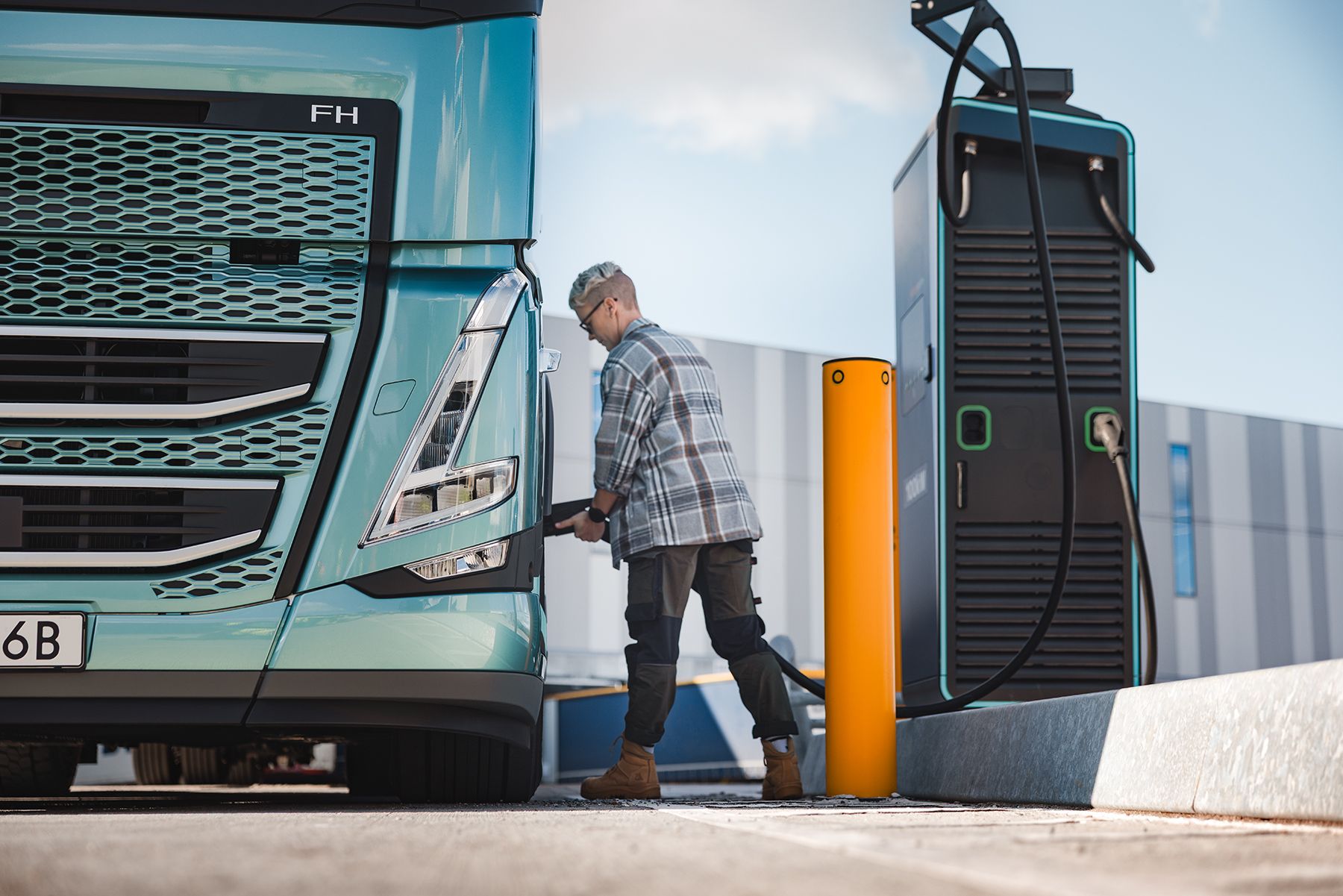
Germany’s push to electrify heavy-duty transport hit a critical bottleneck on June 5, 2026, when federal funding for small and medium-sized enterprise (SME) charging infrastructure was exhausted in roughly six hours. This rapid depletion of subsidies coincides with Sany’s announcement that it has begun delivering electric long-haul trucks in Germany, highlighting a stark gap between the availability of electric vehicles and the infrastructure required to power them.
- Federal funding for SME (KMU) e-heavy-duty charging was depleted within six hours of its June 5, 2026, launch.
- Sany has officially started deliveries of its electric long-haul trucks in the German market.
- Industry focus has shifted toward depot charging as a primary logistics hurdle.
- Regional efforts, particularly in Lower Saxony, are pushing for expanded infrastructure to support the transition.
Demand Outstrips Federal Support
The federal program launched on June 5, 2026, specifically targeting KMU (small and medium-sized enterprises) to incentivize the installation of charging stations for electric heavy-duty vehicles. According to local media reports, the funding pool was completely exhausted after approximately six hours. This suggests a massive, pent-up demand among smaller logistics operators who are eager to transition their fleets but are heavily dependent on state subsidies to offset the high capital expenditure of charging hardware.

Sany Launches Electric Long-Haul Deliveries
While the funding window for infrastructure closed almost immediately, the supply of vehicles is accelerating. Sany has reported the start of deliveries for its electric long-haul truck in Germany, according to company statements. The entry of these vehicles into the German market adds pressure to an already strained infrastructure landscape, as long-haul operations require high-capacity charging solutions that go beyond standard electric vehicle needs.
The Depot Charging Bottleneck
The scramble for subsidies underscores a growing consensus in the logistics sector: the primary challenge is no longer just the trucks, but where they plug in. According to industry reports, depot charging has emerged as a central logistics issue. Because heavy-duty trucks require significant power and long charging durations, the ability to charge at a company’s own depot is essential for maintaining operational schedules.
This infrastructure gap has prompted regional responses. In Lower Saxony, local authorities have been actively campaigning for the expansion of electric truck infrastructure, emphasizing that the transition to e-mobility depends on a robust network of charging points to support the growing fleet of electric heavy-duty vehicles.
