Rising Costs in Kitchen Renovations: From Appliances to Timber Surging Across Markets
Homeowners across multiple regions are facing a sharp increase in kitchen renovation costs, driven by rising prices for appliances, cabinetry, and building materials like timber. Industry reports and consumer surveys indicate that the average cost of a full kitchen overhaul has climbed by 15% to 25% over the past year, with some markets experiencing even steeper hikes. This trend has sparked concerns about affordability, prompting questions about the underlying causes and long-term effects on both consumers and the construction sector.
The Escalating Cost of Kitchen Renovations
The surge in kitchen renovation expenses is not confined to a single region or product category. From high-end stainless steel appliances to affordable pre-fabricated cabinets, costs have risen across the board. According to a 2023 analysis by the National Association of Home Builders (NAHB), the average cost of a mid-range kitchen renovation now exceeds $25,000, up from $20,000 in 2021. This increase is attributed to a combination of supply chain disruptions, inflationary pressures, and higher labor expenses.

Timber prices, a critical component in cabinetry and flooring, have been particularly volatile. The U.S. Department of Agriculture (USDA) reported that softwood lumber prices reached a 10-year high in late 2023, driven by reduced supply from Canadian mills and increased demand in the construction sector. For example, a 2×4 pine board that cost $2.50 in 2020 now averages $5.20, nearly doubling in price. This spike has forced many homeowners to reconsider their renovation budgets or delay projects altogether.
Appliance manufacturers have also seen significant cost increases. Major brands like Whirlpool and LG have raised prices on refrigerators, ovens, and dishwashers by 10% to 15% over the past year, according to a report by the Consumer Technology Association. These increases are partly due to higher manufacturing costs, including steel and electronic components, which have been affected by global trade tensions and geopolitical conflicts.
Key Drivers Behind the Price Increases
The rise in kitchen renovation costs stems from a complex interplay of economic and logistical factors. One of the primary causes is the ongoing global supply chain crisis, which has disrupted the flow of materials and components. The 2021-2022 bottlenecks at major ports, such as Los Angeles and Long Beach, led to delays in shipping and increased freight costs. While some of these issues have eased, the ripple effects continue to impact construction and retail sectors.

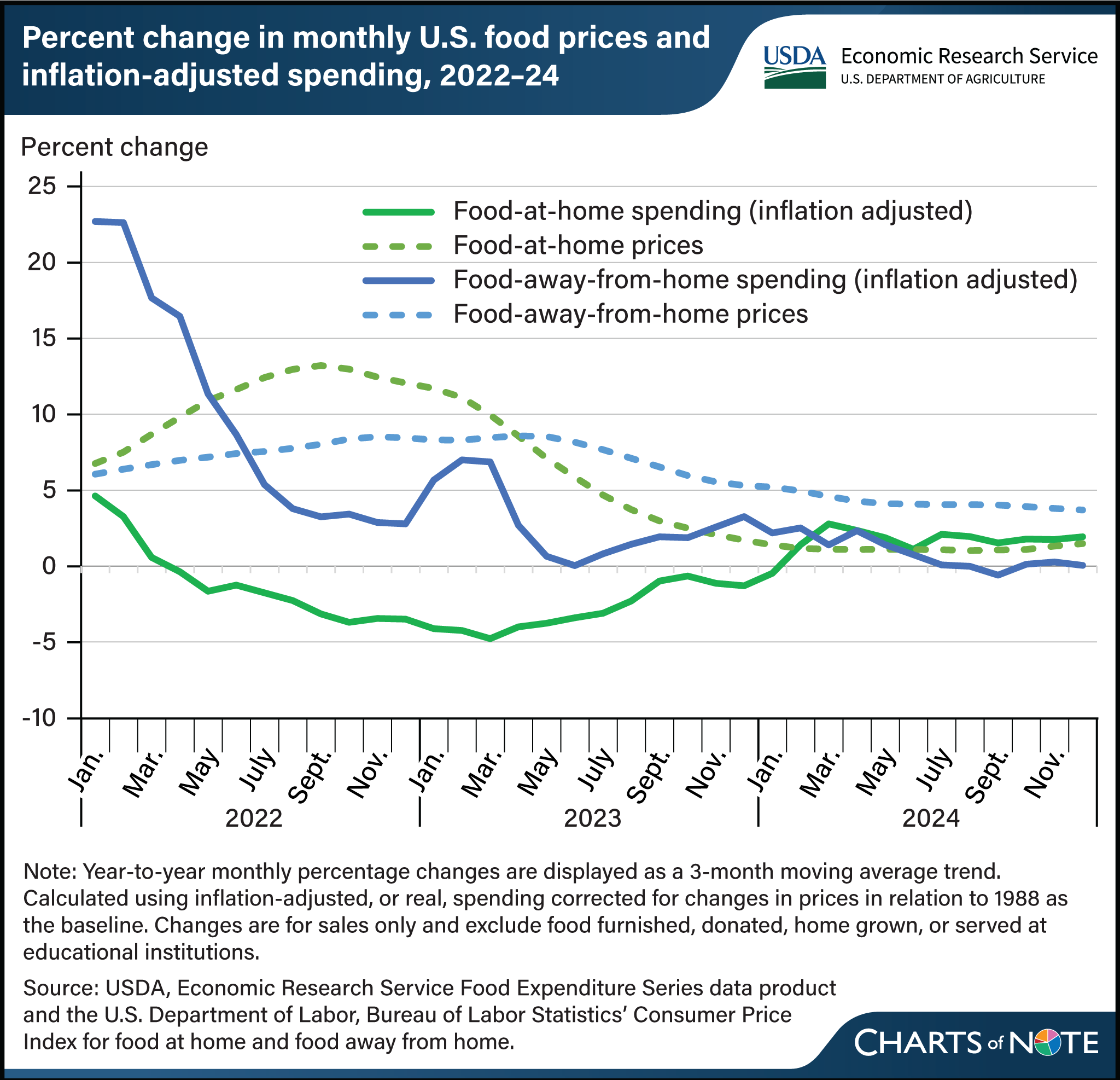
Inflation has also played a significant role. The U.S. Bureau of Labor Statistics (BLS) reported that the Consumer Price Index (CPI) for home improvement items rose by 8.7% in 2023 compared to the previous year. This inflationary pressure is exacerbated by rising energy costs, which have increased the expenses for manufacturing and transporting goods. For instance, energy-intensive industries like steel production have seen higher costs, which are passed on to consumers through higher appliance and material prices.
Labor shortages in the construction industry have further contributed to the problem. The NAHB noted that the median hourly wage for construction workers has increased by 12% since 2020, reflecting a tight labor market. With fewer skilled workers available, contractors have had to raise their rates to attract and retain talent, adding to the overall cost of renovations.
Another factor is the growing demand for sustainable and energy-efficient materials. As consumers prioritize eco-friendly options, the cost of products like low-VOC paints, energy-efficient windows, and solar-powered appliances has risen. While these materials offer long-term benefits, their higher upfront costs can be a barrier for some homeowners.
Industry and Consumer Reactions
The construction and home improvement sectors have responded to the rising costs in various ways. Some companies have introduced more affordable product lines to cater to budget-conscious consumers. For example, budget-friendly brands like IKEA and Lowe’s have expanded their range of modular kitchen solutions, which allow for customization at lower price points. However, these options often require more DIY effort, which may not suit all homeowners.
Contractors have also adjusted their business models. Many have shifted to offering fixed-price contracts to provide clients with greater cost certainty. This approach helps mitigate the risk of unexpected expenses but may limit the scope of work. Some firms have also begun using alternative materials, such as engineered wood or recycled metals, to reduce costs while maintaining quality.
Consumers, meanwhile, are grappling with the financial implications. A survey conducted by the National Kitchen & Bath Association (NKBA) found that 62% of respondents have delayed or canceled kitchen renovation projects due to rising costs. Others are opting for phased renovations, tackling smaller projects over time to spread out expenses. For example, one homeowner in Chicago reported replacing only the countertops and faucets in their kitchen rather than overhauling the entire space.
Industry experts warn that the trend is unlikely to reverse in the near term. “The combination of persistent supply chain issues, inflation, and labor shortages suggests that costs will remain elevated for at least the next 12 to 18 months,” said a spokesperson for the NAHB. “Homeowners should plan accordingly and explore cost-saving strategies.”
Economic and Social Implications
The rising cost of kitchen renovations has broader economic and social implications. For homeowners, it represents a significant financial burden, particularly for those on fixed incomes
