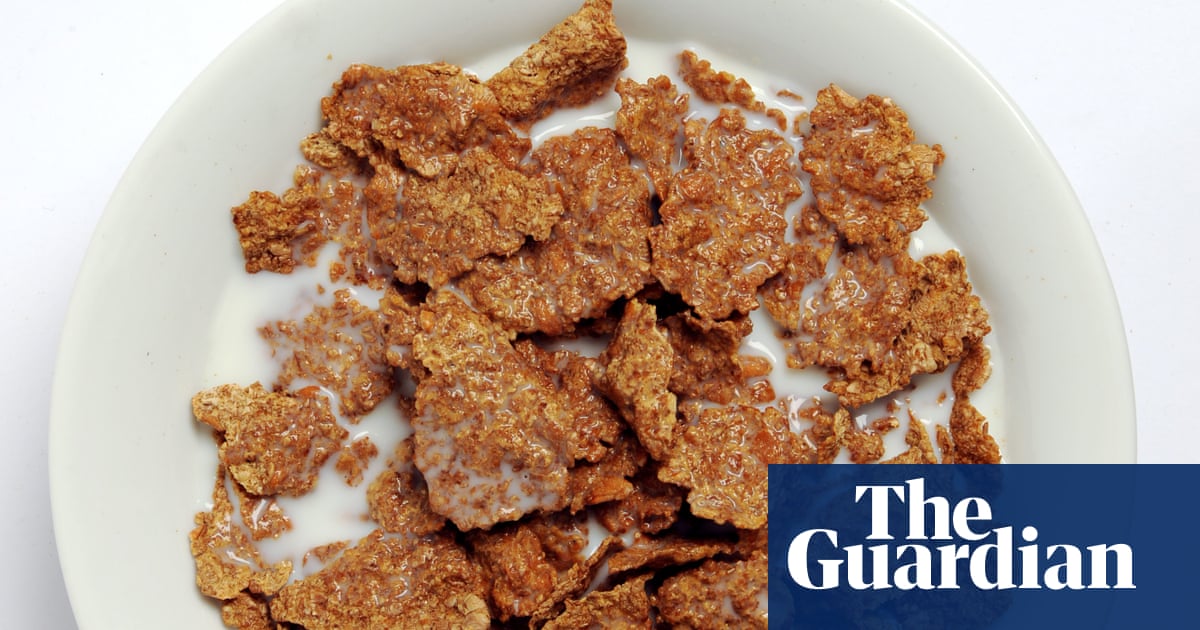
Bran Flakes Could Be Classed as Junk Food Under New Healthy Eating Guidelines – The Guardian
Under a proposed Labour health plan, traditionally healthy staples such as bran flakes could be reclassified as junk food. This potential shift stems from reforms to the Nutrient Profiling Model (NPM) intended to combat rising obesity rates, according to reports from The Guardian and The Telegraph.
Why could bran flakes be classified as junk food?
The potential reclassification of bran flakes as junk food centers on the UK government’s effort to tighten the Nutrient Profiling Model (NPM). This system assigns scores to foods based on their content of “negative” nutrients—such as sugar, salt, and saturated fat—balanced against “positive” nutrients like fiber, protein, and fruit or vegetable content. According to The Guardian, the proposed updates to these guidelines could result in products previously seen as healthy failing to meet the stricter thresholds.
Bran flakes, while high in fiber, often contain levels of sugar or salt that may trigger a “junk food” designation under the revised metrics. This means that a product marketed as a heart-healthy breakfast could be grouped with high-calorie snacks or confectionery if its nutrient balance does not meet the new, more stringent requirements of the Labour health plan, as reported by The Telegraph.
Key factors driving this change include:
- Stricter Sugar Thresholds: Lowering the amount of sugar allowed before a product is flagged as unhealthy.
- Weight-to-Nutrient Ratios: A shift in how the NPM calculates the ratio of fiber to sugar.
- Standardization: An effort to create a more uniform definition of “junk food” to facilitate advertising bans and price regulations.
What is the Nutrient Profiling Model (NPM) and how does it work?
The Nutrient Profiling Model is a technical tool used by the UK government to categorize foods. It is not a dietary guide for consumers, but rather a regulatory mechanism. When a food is labeled as “unhealthy” under the NPM, it can become subject to specific government interventions, such as restrictions on television advertising during certain hours or exclusion from certain school meal programs.
According to The Grocer, the current NPM reforms are intended to close loopholes that allowed some processed foods to appear healthy on paper despite high sugar or salt content. However, the publication notes that these reforms may be solving a problem that available evidence does not fully support. The tension lies in whether the NPM should be a blunt instrument for regulation or a nuanced tool for nutrition.
The scoring generally follows a specific logic:
| Nutrient Type | Impact on NPM Score | Common Examples |
|---|---|---|
| Negative | Increases score (moves toward “junk”) | Saturated fat, Total sugar, Sodium |
| Positive | Decreases score (moves toward “healthy”) | Protein, Fiber, Fruit/Vegetable content |
If the “negative” points outweigh the “positive” points beyond a certain limit, the food is classified as “unhealthy.” The current debate involves where those limits should be set. For bran flakes, the high fiber content (a positive) may no longer be enough to offset the sugar content (a negative) under the proposed new rules.
The Labour Health Plan and the ‘Obesity Moonshot’
The move to tighten food guidelines is part of a broader government strategy often referred to as an “obesity moonshot.” This ambitious plan aims to significantly reduce obesity rates across the UK population through a combination of legislative action, public health campaigns, and industry pressure. The goal is to move beyond voluntary agreements with food manufacturers and toward mandatory standards.
According to Food Manufacture, this “obesity moonshot” is currently at risk. The publication reports that Downing Street may be tempted to pander to “cost-of-living politics,” which could weaken the legislation. The concern is that stricter regulations might lead to higher prices for reformulated foods or a reduction in available options for low-income families, creating a political backlash during a period of economic instability.
Health organizations are pushing back against this hesitation. As reported by Confectionery Production, various health bodies have issued an urgent plea to the UK Chancellor, demanding the implementation of obesity-tackling legislation. These organizations argue that the long-term cost of obesity to the National Health Service (NHS) far outweighs the short-term economic friction caused by food regulation.
Core Objectives of the Obesity Moonshot
- Reducing Ultra-Processed Food (UPF) Consumption: Targeting foods that are high in additives and low in whole nutrients.
- Restricting Marketing: Implementing bans on junk food advertising to children across all media platforms.
- Fiscal Incentives: Exploring taxes on high-sugar or high-salt products to encourage reformulation.
- Improving Accessibility: Making fresh, whole foods more affordable than processed alternatives.
Industry Pushback: Evidence vs. Regulation
The food industry has expressed significant concern over the proposed changes to the NPM. The Grocer reports that industry representatives believe the reforms are not grounded in sufficient evidence. The primary argument is that classifying a high-fiber cereal like bran flakes as “junk food” is counterproductive and confuses consumers.
Industry critics argue that the NPM does not account for the “food matrix”—how nutrients interact within a whole food. For example, the sugar in a cereal that also provides essential fiber and vitamins may have a different metabolic impact than the sugar in a soda. By ignoring these nuances, the government risks demonizing foods that are, in the context of a balanced diet, beneficial.
Furthermore, Food Manufacture highlights the practical challenges of reformulation. If the government sets thresholds that are too low, manufacturers may be forced to remove sugar entirely, potentially altering the taste and texture of products to the point where consumers reject them in favor of even less healthy alternatives.
“The NPM reforms are solving a problem the evidence doesn’t support,” according to reporting from The Grocer, reflecting the industry’s view that the regulation is overreaching.
Comparing the Stakeholder Positions
The debate over the reclassification of foods like bran flakes reveals a deep divide between public health advocates and the food industry. While both agree that obesity is a crisis, they disagree fundamentally on the mechanism for solving it.
| Stakeholder | Primary Goal | View on NPM Reforms | Main Concern |
|---|---|---|---|
| Health Organizations | Lower obesity rates; reduced NHS burden | Support stricter, mandatory guidelines | Political cowardice and industry lobbying |
| Food Industry | Market stability; product viability | Oppose “arbitrary” nutrient thresholds | Loss of revenue and consumer confusion |
| UK Government | Public health improvement; political viability | Balancing health goals with economic reality | Cost-of-living backlash from voters |
This conflict is not unique to the UK. Similar battles have occurred in other jurisdictions. For instance, countries like Chile and Mexico have implemented “black label” warning signs on foods high in sugar or salt. The UK’s proposed NPM changes would essentially create the regulatory foundation for similar restrictive measures.
Potential Impacts on Consumers and Retailers
If bran flakes and similar products are officially classed as junk food, the ripple effects will extend beyond the breakfast table. The most immediate impact would be on marketing and availability.
Marketing and Advertising Restrictions
Under the proposed plan, any food classified as “unhealthy” via the NPM would face severe restrictions on advertising. This could include a total ban on TV ads before 9 p.m. and restrictions on social media targeting. For brands that have spent decades positioning bran flakes as a health food, this would be a devastating blow to their brand equity.
Retail Placement and Pricing
Retailers might be pressured to move “junk food” cereals away from eye-level shelves or remove them from “healthy choice” promotional sections. There is also the possibility of a “sugar tax” style levy being applied to any product that fails the NPM, which would increase the cost for the consumer.
The Reformulation Race
To avoid the “junk food” label, manufacturers will likely engage in rapid reformulation. This could involve:
- Replacing sugar with artificial sweeteners or sugar alcohols.
- Increasing fiber content through the addition of synthetic additives.
- Reducing salt levels, which may affect the shelf-life and flavor of the product.
However, as noted by Food Manufacture, these changes must be balanced against the current cost-of-living crisis. If reformulation increases production costs, those costs will inevitably be passed on to the consumer.
Common Misconceptions About the New Guidelines
As this story has developed, several misconceptions have emerged regarding what the new guidelines actually mean for the average shopper.
Misconception 1: “The government is banning bran flakes.”
The government is not banning any specific food. The NPM is a classification system. Being classed as “junk food” affects how a product is advertised and regulated, not whether it can be sold in stores.
Misconception 2: “If it’s classed as junk food, it’s suddenly unhealthy.”
The nutrient profile of the food does not change; only the government’s label for it does. A cereal high in fiber remains high in fiber, regardless of whether its sugar content triggers a “junk” classification under new rules.
Misconception 3: “This is only about sugar.”
While sugar is a primary driver, the NPM looks at a balance. Saturated fats and sodium are equally important in the calculation. The goal is to reduce the overall density of “poor” nutrients relative to “good” ones.
For more detailed information on how food labeling affects consumer behavior, you may find a related explainer on nutritional labeling laws useful.
Frequently Asked Questions
Will my favorite cereal become more expensive?
While the guidelines themselves do not set prices, if the government introduces taxes on foods classified as “junk food,” or if manufacturers increase prices to cover the cost of reformulation, prices could rise. Food Manufacture has warned that cost-of-living pressures make this a sensitive issue.
Does “junk food” status mean I should stop eating bran flakes?
The NPM is a regulatory tool for the government and industry, not a personalized medical prescription. Whether a food fits into your specific diet depends on your overall health goals and nutritional needs. Consult a registered dietitian for personalized dietary advice.
Why is the government targeting foods that are usually considered healthy?
According to The Guardian and The Telegraph, the government is attempting to eliminate “hidden” sugars and salts in processed foods. By tightening the rules, they aim to force the industry to lower the sugar content in products that consumers perceive as healthy but which may still contribute to obesity.
What is the difference between the NPM and the traffic light labeling system?
The traffic light system (red, amber, green) is designed for consumers to make quick decisions at the point of purchase. The NPM is a backend system used by policymakers to decide which foods should be subject to advertising bans or other legal restrictions.
When will these new guidelines take effect?
The specific timeline is subject to political approval and the legislative process. Health organizations are currently urging the Chancellor to expedite the legislation, but the final implementation date has not been officially confirmed.
The outcome of this regulatory shift will depend on whether the government prioritizes the “obesity moonshot” or bows to the economic concerns of the food industry and the cost-of-living pressures facing the public. For now, the potential reclassification of bran flakes serves as a high-profile example of the tension between public health ambitions and the realities of the processed food industry.
