
South Korea’s Kakao Map exposes hidden details of North Korea’s infrastructure in a rare glimpse of its digital mapping capabilities
Kakao Corp.’s mapping service has inadvertently revealed granular details about North Korea’s urban infrastructure, including road networks, buildings, and even military installations, according to local media reports. The discovery underscores how digital mapping tools—even those primarily designed for commercial use—can inadvertently provide geopolitical insights in an era of heightened tensions on the Korean Peninsula.
Key Points
- What was exposed: Street-level imagery, building footprints, and infrastructure data for Pyongyang and other North Korean cities.
- Why it matters: The leak raises questions about data privacy, corporate responsibility, and the unintended consequences of global mapping platforms.
- Industry impact: Could prompt stricter geopolitical screening for mapping companies operating in sensitive regions.
How Kakao’s maps became a window into North Korea
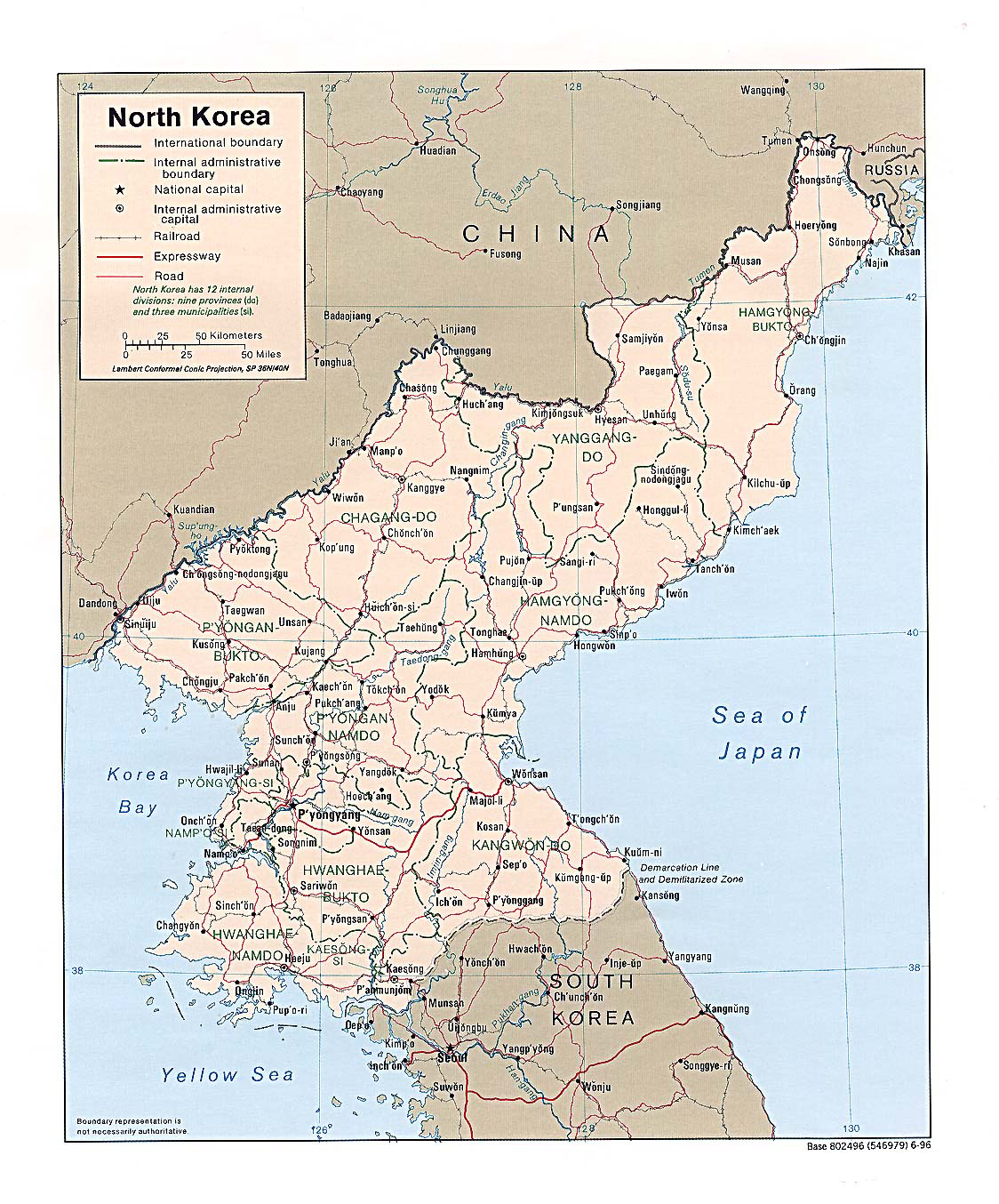
The leak stems from Kakao Map’s use of satellite and aerial imagery, which the company aggregates to build its digital maps. While the service is widely used in South Korea for navigation and business logistics, its algorithms appear to have incorporated North Korean data—likely sourced from third-party providers—without explicit filtering for politically sensitive regions. A South Korean cybersecurity researcher first flagged the issue after noticing discrepancies between Kakao’s maps and publicly available North Korean satellite images.
According to the Agencia de Noticias Yonhap, the exposed data includes:

- Detailed street layouts in Pyongyang, including major boulevards and government buildings.
- Military installations near the border with China, visible through building outlines and perimeter markings.
- Infrastructure projects in development, such as new residential complexes and industrial zones.
Why this matters for businesses and governments
The incident highlights a growing challenge for tech companies operating in geopolitically sensitive markets. Kakao Corp., which generates billions in revenue from its ecosystem of apps—including KakaoMap, KakaoTalk, and KakaoPay—faces potential reputational and regulatory risks. While the company has not publicly commented on the leak, industry analysts warn that similar exposures could lead to:
- Stricter data sourcing policies: Mapping firms may need to implement automated filters to exclude regions under sanctions or embargoes.
- Legal scrutiny: Governments could investigate whether companies violated export control laws by disseminating data from restricted areas.
- Competitive pressure: Rivals like Naver Maps or global players such as Google Maps may face calls to audit their own datasets for similar vulnerabilities.
For South Korea, the leak also complicates its delicate balancing act between economic engagement and national security. The country’s tech sector—home to giants like Kakao, Samsung Electronics, and SK Hynix—relies on seamless data flows, but any association with North Korean infrastructure risks triggering diplomatic backlash from allies like the U.S. or Japan.
What happens next for Kakao and the mapping industry
Kakao Corp. has not confirmed whether it will remove the North Korean data from its platform, but industry observers expect the company to act swiftly to mitigate fallout. Steps likely include:

- Internal audits: Reviewing third-party data providers to identify the source of the leak.
- Transparency reports: Publishing details on how geopolitical data is handled to reassure regulators and users.
- Potential partnerships: Collaborating with South Korean intelligence agencies to align mapping data with national security priorities.
Broader implications for the industry could include:
- A push for standardized geopolitical screening in mapping APIs, similar to how social media platforms now flag content from restricted regions.
- Increased collaboration between tech firms and governments to preemptively address data leaks in sensitive areas.
- Greater scrutiny over how AI-driven mapping tools process and disseminate imagery, particularly in regions with active conflicts or sanctions.
The Kakao Map incident serves as a case study in how even routine commercial operations can intersect with geopolitics. For businesses operating in Asia—or anywhere with complex political landscapes—the lesson is clear: data is not just an asset, but a liability when its origins are unclear.
