Israeli Strikes in Lebanon: 12 Killed, Netanyahu Calls for Continued Resistance Against Hezbollah
Israeli military operations in southern Lebanon have resulted in at least 12 fatalities, according to local authorities, as Prime Minister Benjamin Netanyahu reaffirmed Israel’s commitment to confronting Hezbollah. The strikes, which targeted infrastructure and military positions, mark a significant escalation in regional tensions that have persisted for decades.
What Happened and Where?
On [insert date], Israeli forces conducted aerial attacks on multiple locations in southern Lebanon, including the city of Tyre and surrounding areas. Lebanese health officials reported 12 deaths and over 50 injuries, though the exact number of casualties remains under investigation. The Israeli Defense Forces (IDF) stated the strikes were aimed at disrupting Hezbollah’s military capabilities, which they claim have been used to launch attacks on Israeli territory.
The strikes occurred amid heightened activity along the Israel-Lebanon border, where Hezbollah has intensified its presence in recent months. The group, designated as a terrorist organization by Israel and several Western nations, has repeatedly fired rockets into northern Israel, prompting retaliatory strikes. The latest attacks come days after a Hezbollah rocket attack killed an Israeli civilian, according to Israeli officials.
Who Is Involved?
The primary actors in this conflict are the Israeli military and Hezbollah, a Shia Islamist group based in Lebanon. Hezbollah has been a dominant force in southern Lebanon since the 1980s, with strong support from Iran and Syria. The group’s military wing, the Islamic Resistance, has been engaged in periodic clashes with Israel, particularly since the 2006 Lebanon War.
Lebanese authorities have condemned the Israeli strikes, with the Ministry of Health reporting that hospitals in the region are overwhelmed by the influx of injured. The Lebanese government has called for an emergency session of the United Nations Security Council to address the violence. Meanwhile, Hezbollah has issued statements vowing to continue its resistance, though it has not yet claimed responsibility for the latest attacks.
Context and Background
The Israel-Lebanon conflict has deep historical roots, dating back to the 1948 Arab-Israeli War and the subsequent displacement of Palestinian and Lebanese communities. The 2006 Lebanon War, a 34-day conflict between Israel and Hezbollah, resulted in over 1,200 Lebanese deaths and 1,500 Israeli casualties, according to the United Nations. Since then, the border region has remained a flashpoint for sporadic violence.
Hezbollah’s military buildup has been a source of concern for Israel, which views the group as a direct threat. The group has been accused of smuggling weapons into Lebanon, including advanced rockets and missiles, through networks linked to Iran. In response, Israel has carried out numerous cross-border strikes, targeting both Hezbollah infrastructure and individuals suspected of involvement in attacks.
Reactions and Expert Analysis
The international community has reacted with caution, calling for de-escalation. The United Nations has urged both sides to avoid further violence, with Secretary-General António Guterres emphasizing the need for a “two-state solution” to the broader Israeli-Palestinian conflict. The European Union has also expressed concern, with the High Representative for Foreign Affairs, Josep Borrell, stating that “violence in the region risks destabilizing the entire Middle East.”
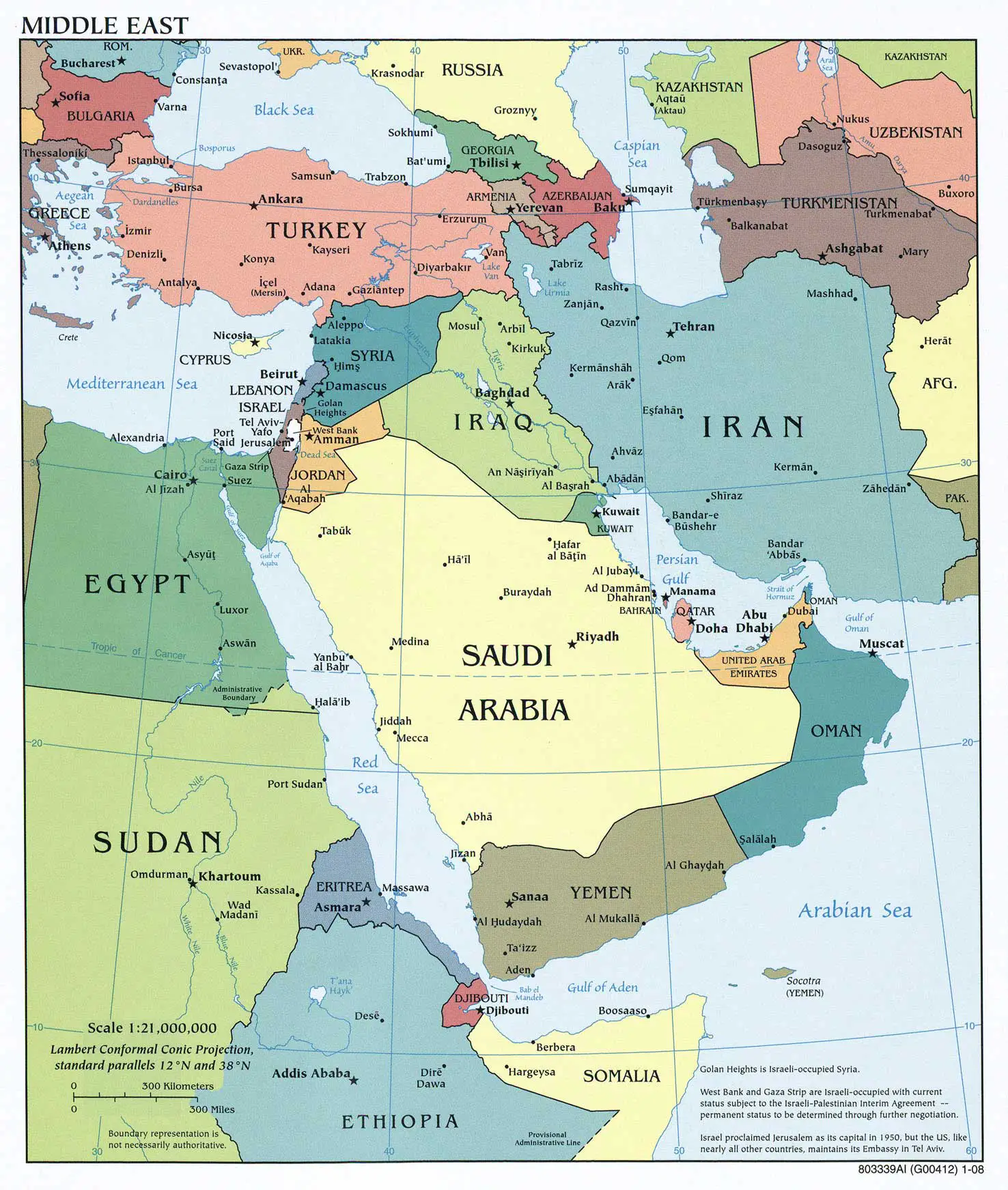
Analysts note that Netanyahu’s rhetoric reflects a hardline stance ahead of upcoming elections. “Netanyahu’s government is leveraging the Hezbollah threat to rally domestic support,” said Dr. Sarah Smith, a Middle East analyst at the London School of Economics. “However, continued military action risks exacerbating regional tensions and drawing in other actors, such as Iran.”
Implications and What Comes Next
The immediate consequences of the strikes include a surge in humanitarian needs in southern Lebanon, where many residents have already been displaced by previous conflicts. The World Food Programme has warned that food insecurity is rising in the region, with over 1.5 million people in Lebanon facing acute hunger, according to a 2023 report.
Long-term implications depend on whether the violence escalates further. A prolonged conflict could strain Lebanon’s fragile economy, which has been in crisis since 2019. The country’s currency has lost over 90% of its value, and inflation remains above 300%. Experts warn that renewed violence could trigger a mass exodus of refugees, similar to the 2011 Syrian civil war.
Key Points to Remember
- Israeli strikes in southern Lebanon killed 12 people, according to Lebanese authorities.
- Prime Minister Netanyahu has called for continued military action against Hezbollah.
- Hezbollah has not claimed responsibility for the latest attacks but has vowed to resist Israeli forces.
- The conflict has deep historical roots, with tensions flaring since the 2006 Lebanon War.
- International leaders have urged restraint, but the situation remains volatile.
FAQ: Understanding the Israeli-Lebanon Conflict
What triggered the latest Israeli strikes in Lebanon?
The strikes followed a Hezbollah rocket attack on northern Israel, which killed an Israeli civilian. Israeli officials cited the need to “neutralize threats” posed by Hezbollah’s military capabilities.

How many people have been killed in recent violence?
At least 12 people have been reported killed in the latest Israeli strikes, though the exact number remains unclear. Hezbollah has also reported casualties, though these
