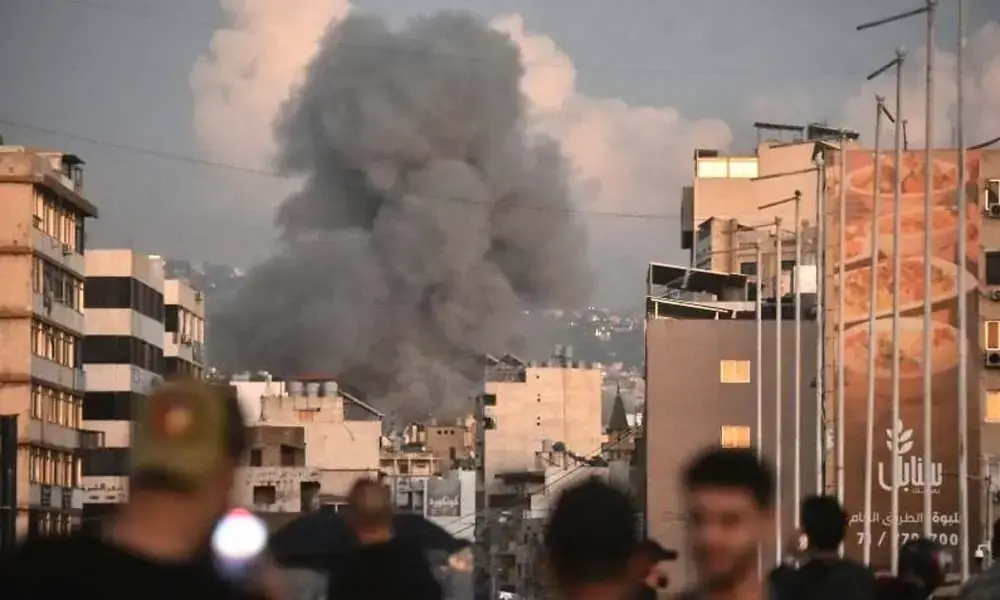
Israeli Strike Kills Three Lebanese Soldiers: General Among Dead in South Lebanon Attack
An Israeli strike in south Lebanon has killed three Lebanese soldiers, including a high-ranking army general, after a targeted attack hit their vehicle. While the Israel Defense Forces (IDF) has stated the incident is currently under review, reports indicate this event is part of a broader wave of strikes that have killed at least 12 people, including other high-ranking officers.
Details of the Strike in South Lebanon
A military strike conducted by Israeli forces in southern Lebanon resulted in the deaths of three members of the Lebanese military. According to reports from the BBC and Dawn, the operation specifically targeted a car, leading to the immediate death of the occupants. Among those killed was a Lebanese army general, accompanied by two other soldiers.
The precision of the attack on a vehicle suggests a targeted operation rather than a general artillery barrage. The location, south Lebanon, remains a high-tension zone where military movements are closely monitored. The loss of a general represents a significant blow to the local command structure of the Lebanese armed forces in the region.
- Target: A vehicle transporting military personnel.
- Location: South Lebanon.
- Casualties: One Lebanese army general and two soldiers.
- Method: Aerial or missile strike.
The Impact on Lebanese Military Leadership
The killing of a general is a critical escalation in the friction between Israeli forces and Lebanese military elements. In military hierarchies, the removal of high-ranking officers often disrupts communication and operational continuity. According to the BBC, the inclusion of a general among the three soldiers killed underscores the severity of the strike.
This incident raises questions about the targeting criteria used in the operation. The Lebanese army is the official state military, and strikes against its leadership can complicate diplomatic efforts and increase the pressure on the Lebanese government to respond. The presence of two additional soldiers in the vehicle indicates that the general was likely engaged in active transit or operational duties at the time of the attack.
“Lebanese general among three soldiers killed in Israeli attack on car.” — BBC
IDF Response and Internal Review
Following the reports of the casualties, the Israel Defense Forces (IDF) addressed the incident. According to The Times of Israel, the IDF has stated that the incident is currently under review. This phrasing typically suggests that the military is evaluating whether the target was correctly identified and whether the rules of engagement were followed.
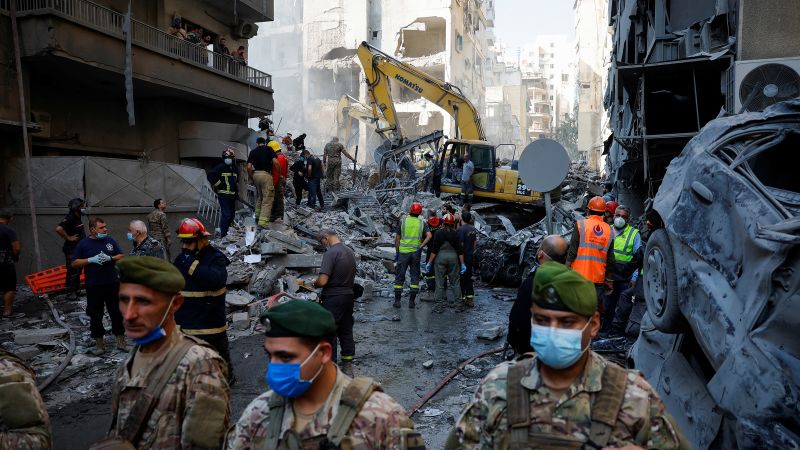
The “under review” status indicates that the IDF has not yet officially confirmed the intent behind the strike or whether the individuals in the car were perceived as legitimate military targets. This internal process is standard following strikes that result in the deaths of official state military personnel, as such events can have significant geopolitical ramifications.
Broader Casualty Figures and Regional Escalation
While the strike on the general and two soldiers is a focal point, it is not an isolated event. Al Jazeera reports that wider Israeli attacks in Lebanon have killed a total of 12 people. This larger death toll includes other high-ranking officers, suggesting a broader campaign to degrade military capabilities or leadership within the region.
The discrepancy between reports focusing on the three soldiers and those reporting 12 total deaths highlights the scale of the current escalation. The targeting of “high-ranking officers” across multiple strikes suggests a strategic effort to neutralize command-and-control elements.
| Reporting Source | Reported Casualties | Key Detail |
|---|---|---|
| BBC / Dawn / Times of Israel | 3 Soldiers | Includes a Lebanese army general; targeted car. |
| Al Jazeera | 12 People | Includes high-ranking officers across multiple attacks. |
Analyzing the Reports: Differing Media Perspectives
The coverage of this event across international outlets shows a variation in focus, which provides a fuller picture of the incident. For instance, the report titled “Israeli strike kills three Lebanese soldiers – Business Recorder” and the coverage by Dawn focus on the immediate death toll of the three soldiers in the south.
In contrast, The Times of Israel specifically emphasizes the IDF’s internal review process, providing a perspective on the Israeli military’s official reaction. Meanwhile, Al Jazeera frames the event within a larger context of casualties, reporting 12 deaths and emphasizing the loss of high-ranking officers. This contrast suggests that while the strike on the general was a specific, high-profile event, it occurred alongside a wider series of military actions.
The fact that multiple outlets—from the BBC to Dawn—consistently report the death of a general in a car strike confirms the core facts of the event, while the variation in total death tolls reflects the difference between reporting a single incident and reporting a broader operational window.
Why the Targeting of a General Matters
In the context of regional conflict, targeting a general is rarely an accident. It typically serves one of several strategic purposes:
- Degradation: Removing experienced leadership to weaken the effectiveness of the opposing force.
- Deterrence: Sending a signal that high-level personnel are not safe, regardless of rank.
- Intelligence: Acting on specific intelligence regarding the movements of key figures.
Because the IDF is reviewing the incident, there is a possibility that the target was misidentified or that the strike resulted in unintended casualties. However, the precision of a car strike usually implies a high degree of confidence in the target’s identity prior to the attack.
Potential Geopolitical Consequences
The death of state military personnel, particularly a general, can push a nation toward a more aggressive posture. The Lebanese government may face internal pressure to condemn the strike more forcefully or take retaliatory measures. Furthermore, international mediators often view the killing of high-ranking state officials as a “red line” that could trigger a wider escalation of hostilities.
If the IDF review concludes that the strike was a mistake, a formal apology or acknowledgment may be issued to mitigate diplomatic fallout. If the strike is upheld as intentional, it signals a shift in the target profile of the Israeli operations in south Lebanon.
For more context on regional tensions, you may find a related explainer on Lebanon-Israel border conflicts useful.
Frequently Asked Questions
How many Lebanese soldiers were killed in the recent Israeli strike?
According to reports from the BBC, Dawn, and The Times of Israel, three Lebanese soldiers were killed in a specific strike targeting a car in south Lebanon. However, Al Jazeera reports a broader death toll of 12 people across multiple attacks, which includes high-ranking officers.
Who was among the casualties of the car strike?
A Lebanese army general was among the three soldiers killed in the attack on the vehicle in south Lebanon.
What is the IDF’s official position on the incident?
The Israel Defense Forces (IDF) has stated that the incident is currently under review, as reported by The Times of Israel.
Where did the attack take place?
The strike targeting the Lebanese army general and two soldiers occurred in south Lebanon.
Is this part of a larger military operation?
Yes. While the car strike was a specific event, Al Jazeera reports that Israeli attacks in Lebanon have killed 12 people in total, including several high-ranking officers, indicating a wider series of military actions.
