Samarinda, a city in East Kalimantan, Indonesia, is intensifying efforts to combat the rising threat of tuberculosis (TB) and HIV/AIDS, as health officials warn of a potential surge in cases amid growing concerns about social stigma and healthcare capacity. The local government and medical institutions are pushing for stronger policies and infrastructure to address the dual epidemics, which disproportionately affect vulnerable populations.
Context of the TB-HIV Challenge in Samarinda
Samarinda, home to approximately 850,000 residents, faces a critical public health challenge as TB and HIV/AIDS cases are projected to increase significantly. Health authorities emphasize that the intersection of these two diseases exacerbates their impact, with TB being a leading cause of mortality among people living with HIV. The city’s healthcare system is under pressure to expand services, particularly in marginalized communities where access to care remains limited.
Recent reports highlight the urgent need for policy reforms, including the strengthening of local regulations (Raperda) to reduce societal stigma surrounding TB and HIV. Officials argue that stigma discourages individuals from seeking timely diagnosis and treatment, worsening outcomes and fueling transmission. “Addressing stigma is a cornerstone of our strategy,” a health representative stated, underscoring the importance of community education and awareness campaigns.
Hospital Expansion and Policy Efforts
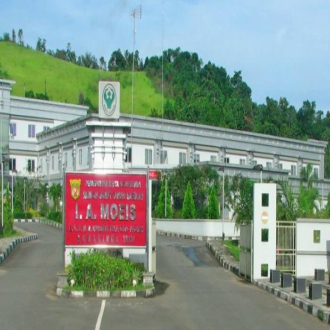
To meet the anticipated demand, RSUD IA Moeis Samarinda is set to increase its TB-HIV isolation capacity from the current number of beds to 10. This expansion aims to improve patient care and reduce the burden on existing facilities. The hospital’s leadership has also called for integrated screening and referral systems, aligning with broader public health initiatives to detect and manage cases more effectively.
The city’s long-term goal of eliminating TB and HIV by 2030 remains ambitious, requiring sustained investment in healthcare infrastructure, community engagement, and cross-sector collaboration. While progress has been made in some areas, challenges such as funding gaps and uneven service distribution persist. Health officials stress that achieving this target will depend on both local action and national support.
What’s Next for Samarinda’s TB-HIV Response?
Authorities plan to prioritize preventive measures, including active case-finding campaigns and partnerships with NGOs to reach high-risk groups. Additionally, the proposed Raperda is expected to outline concrete steps for reducing discrimination and ensuring equitable access to treatment. However, experts caution that success will hinge on addressing systemic barriers, such as poverty and limited health literacy, which contribute to the spread of both diseases.
As Samarinda moves forward, the focus remains on balancing immediate interventions with long-term strategies to create a resilient healthcare system. The city’s efforts could serve as a model for other regions grappling with similar challenges, provided that political will and resources align with the scale of the crisis.
