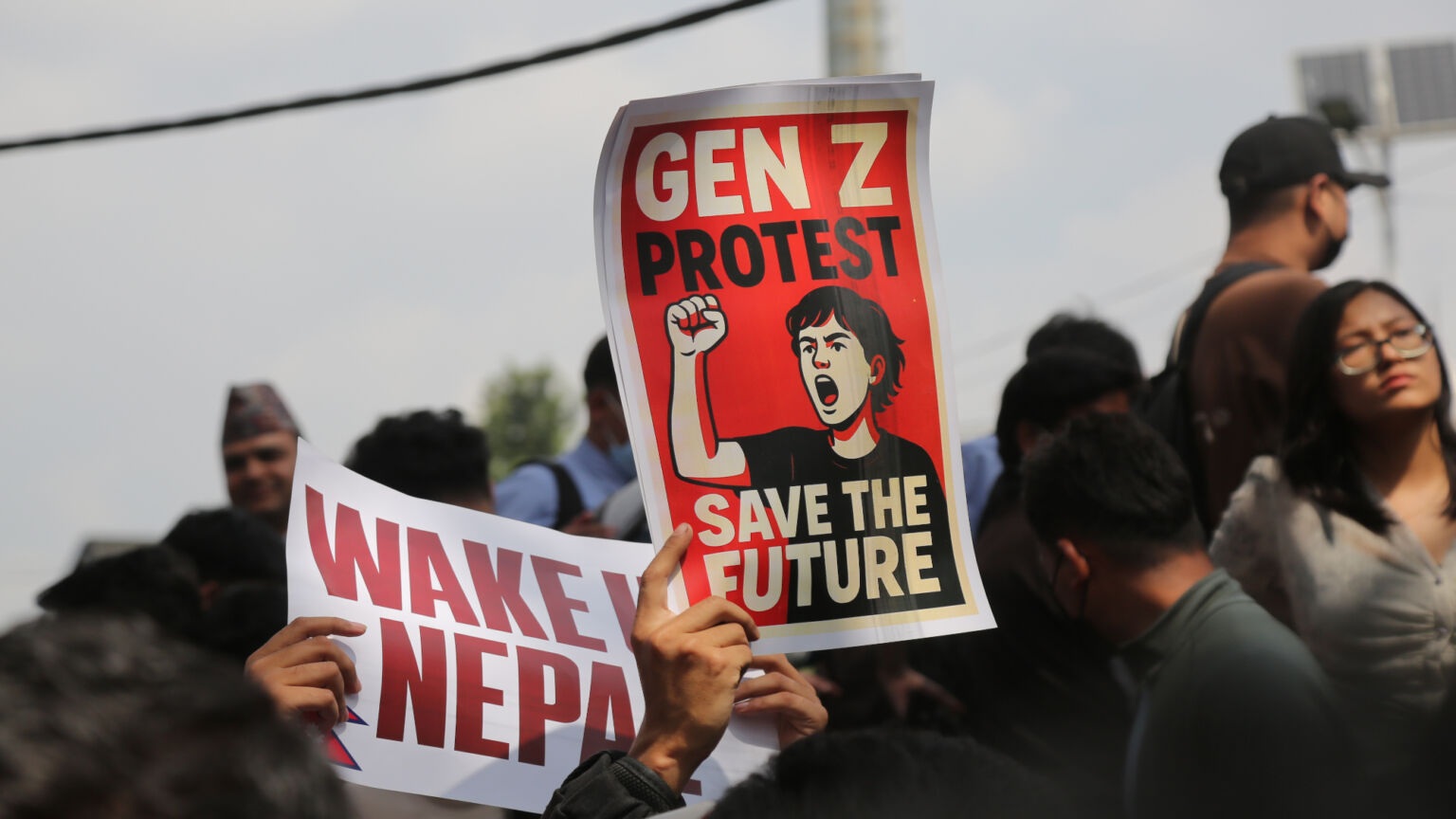
Gen Z in Revolt: Analyzing the Global Surge of Youth-Led Mobilization
Gen Z, defined as individuals between the ages of 13 and 28, is driving a global wave of political unrest fueled by economic precarity, systemic corruption, and a profound exclusion from power. While survey data suggests this generation is often disillusioned with traditional democracy, they have become the primary force in toppling governments and demanding accountability in nations ranging from Bangladesh to Kenya. According to a January 2026 analysis in the Journal of Democracy, these movements are typically decentralized and leaderless, which aids their rapid spread but complicates the process of institutional transition and bargaining.
The discourse surrounding Gen Z in revolt – spiked-online.com highlights a critical tension: a generation that claims to be disconnected from formal politics is simultaneously the most effective at disrupting the political status quo. This paradox is playing out in real-time across multiple continents, where youth-led uprisings are no longer isolated incidents but part of a broader, diffusing trend of resistance against ineffective governance.
Why is Gen Z leading global uprisings?
The catalyst for youth mobilization isn’t a single event but a combination of structural failures. The Journal of Democracy identifies three primary drivers: economic instability, a lack of access to decision-making power, and rampant government corruption. For many in Gen Z, the traditional “social contract”—the idea that education and hard work lead to stability—has collapsed.
Economic precarity is a central theme. When young people face a future of precarious employment and rising costs of living, the risk of participating in a street protest decreases relative to the perceived hopelessness of the status quo. This desperation is often paired with a sense of exclusion; youth are frequently the largest demographic in these nations but hold the least amount of actual political influence.
Corruption acts as the immediate spark. While economic hardship provides the fuel, specific acts of corruption often serve as the trigger for mobilization. In several countries, the “Gen Z revolt” isn’t about a specific ideology, but rather a demand for basic accountability and the removal of leaders who have enriched themselves at the expense of the public.
- Economic Precarity: High unemployment and unstable job markets make the youth more prone to risk-taking in political spheres.
- Exclusion from Power: A systemic gap between the demographic weight of Gen Z and their representation in government.
- Corruption: A primary driver for anticorruption mobilizations in countries like Nepal and the Philippines.
Mapping the geography of youth unrest
The scale of these movements is vast, spanning from Southeast Asia to Africa and Latin America. The Journal of Democracy notes that the results of these uprisings are mixed, ranging from total government collapse to violent crackdowns and slow-moving reforms.
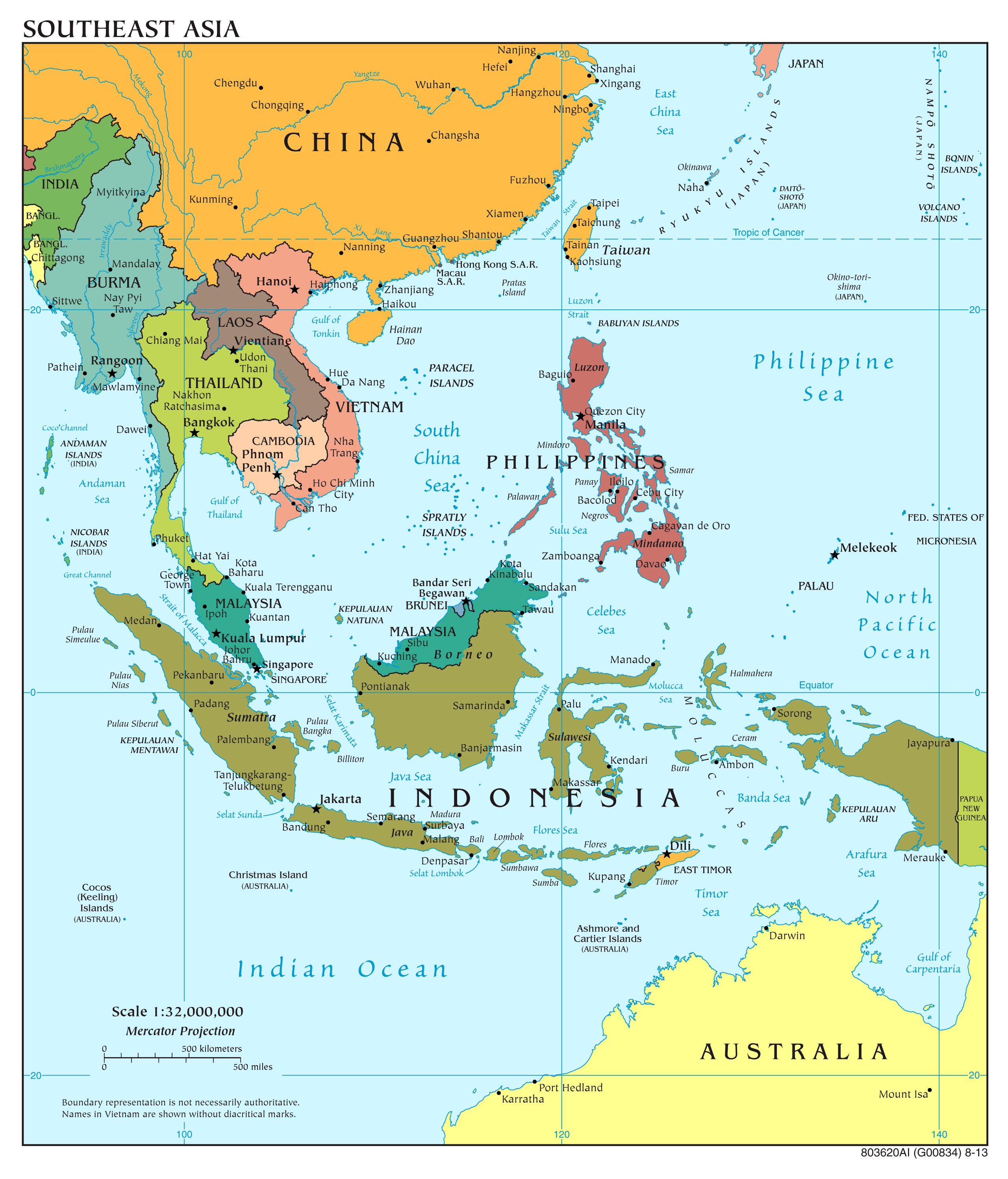
In some regions, the movement is a direct reaction to corruption. In others, it is a “diffusing” movement, where the success of a revolt in one country inspires similar actions in another. For example, the dynamics seen in Sri Lanka in 2022 and Bangladesh in 2024 demonstrate how youth-led energy can rapidly scale to overwhelm state security apparatuses.
| Region/Country | Primary Driver/Context | Outcome or Current Status |
|---|---|---|
| Bangladesh | Diffusion of youth unrest (2024) | Transition dynamics unfolding |
| Sri Lanka | Diffusion of youth unrest (2022) | Government disruption/instability |
| Tunisia | Initial 2010 uprising | Catalyst for broader regional shifts |
| Serbia | Youth-led mobilization | Ongoing struggle |
| Nepal, Indonesia, Peru, Philippines | Anticorruption efforts | Variable; focused on accountability |
| Kenya, Madagascar | General “Gen-Z protests” | Mixed; reforms and violent clashes |
The mechanics of decentralized mobilization
One of the most striking features of the Gen Z in revolt – spiked-online.com phenomenon is the lack of a traditional hierarchy. Unlike 20th-century revolutions, which often centered around a charismatic leader or a disciplined political party, modern youth movements are largely decentralized and leaderless.
This structure offers a significant tactical advantage: diffusion. Because there is no single “head” to the movement, it is much harder for governments to decapitate the protest by arresting a few key figures. Information and coordination spread horizontally through digital networks, allowing protests to erupt spontaneously across multiple cities simultaneously.
“Organizing is often decentralized and leaderless, aiding diffusion but complicating bargaining and transitions.” — Journal of Democracy
However, this lack of leadership creates a “bargaining gap.” When a government is willing to negotiate, there is often no designated representative with the authority to sign a deal or commit the movement to a specific set of demands. This often leads to a volatile transition period where the energy of the street cannot be easily converted into institutional policy.
The role of digital diffusion
The speed at which these protests move is accelerated by the digital fluency of Gen Z. The “diffusion” mentioned in the Journal of Democracy refers to the process where youth in one country see the success of their peers in another and apply similar tactics to their own local grievances. This creates a global feedback loop of resistance.
The paradox: Disillusionment vs. Action
There is a glaring contradiction in how Gen Z interacts with the state. Survey data consistently shows that young people are disconnected from traditional politics and deeply disillusioned with democracy as a system. They don’t trust parliaments, they don’t believe in the efficacy of voting, and they feel alienated from political parties.

Yet, this same group is the primary driver of the most intense political actions of the decade. This suggests that while Gen Z has lost faith in institutional democracy, they still believe in political agency. They aren’t fighting to save the existing system; they are fighting because the system has failed them so completely that the street is the only place where their voice has any impact.
This distinction is vital for understanding the current wave of unrest. These aren’t “pro-democracy” movements in the classical sense of wanting to strengthen existing democratic institutions. Instead, they are movements for accountability and survival, driven by the reality of economic precarity.
For more on how this interacts with global trends, see our related explainer on digital activism and state response.
Barriers to lasting change
Despite their ability to topple governments, Gen Z-led movements face severe obstacles in achieving long-term structural change. The Journal of Democracy highlights that these movements rarely resolve their core grievances quickly. The transition from “protest energy” to “institutional influence” is where most of these uprisings stumble.
State repression and violence
Governments have responded to youth-led revolts with increasing levels of brutality. Because the movements are decentralized, states often view them as chaotic threats rather than political opponents, justifying violent crackdowns. In many cases, the initial success of a protest is followed by a period of severe repression that targets the youngest participants.
The volatility of transition
Transitioning from a state of revolt to a state of governance requires discipline and a clear political program. The same leaderless nature that makes Gen Z movements hard to stop also makes them hard to steer. In countries like Bangladesh, Nepal, Madagascar, and Peru, the dynamics of transition remain volatile because the energy of the youth has not yet been fully converted into electoral or institutional power.
- Repression: Violent clashes and crackdowns are common responses to youth-led uprisings.
- Structural Inertia: Deep-seated corruption often persists even after the top leaders are removed.
- Bargaining Failures: The absence of clear leadership makes it difficult to negotiate lasting reforms with state actors.
Common misconceptions about youth revolts
Much of the commentary surrounding Gen Z in revolt – spiked-online.com relies on oversimplifications. To understand the actual drivers, it is necessary to correct several common narratives.

Misconception 1: These are “social media” protests. While digital tools are used for coordination, the drivers are material. People do not risk their lives in the streets of Kenya or Bangladesh because of a hashtag; they do so because of economic precarity and a lack of food or job security.
Misconception 2: Gen Z is “apolitical.” The data showing disillusionment with democracy is often mistaken for a lack of interest in politics. In reality, Gen Z is highly political, but their politics are expressed through direct action and mobilization rather than through ballots and party memberships.
Misconception 3: Toppling a government equals success. Removing a corrupt leader is a milestone, not a destination. As seen in the Journal of Democracy analysis, the real challenge begins after the government falls, as movements struggle to replace old structures with something more equitable.
FAQ: Understanding Gen Z Global Mobilization
Who is considered Gen Z in the context of these protests?
According to the Journal of Democracy, Gen Z comprises young people between the ages of 13 and 28.
What are the primary causes of Gen Z revolts?
The main drivers are economic precarity, systemic corruption, and a feeling of exclusion from political power.
Why are these movements described as “leaderless”?
They rely on decentralized, horizontal organization, often coordinated via digital networks, rather than a top-down command structure with a single visible leader.
Which countries have seen significant Gen Z-led activity?
Notable examples include Bangladesh, Sri Lanka, Tunisia, Kenya, Madagascar, Peru, Nepal, Indonesia, Serbia, and the Philippines.
Do these protests usually lead to long-term change?
The results are mixed. While they can topple governments and compel immediate reforms, they often face severe repression and struggle to resolve structural grievances quickly due to the difficulty of converting protest energy into institutional influence.
The ongoing nature of these struggles, particularly in places like Serbia and the transitioning states of Latin America and Asia, suggests that the global youth uprising is not a momentary spike but a fundamental shift in how the next generation interacts with power. The success of these movements will likely depend on whether they can move from the volatility of the street to the discipline of institutional governance without losing the core demands that sparked the revolt in the first place.
