
At least 2 killed, 22 wounded in Lebanon as Iran war enters 100th day
As the conflict involving Iran and its regional allies enters its 100th day, a recent Israeli strike in Lebanon has left at least 2 people dead and 22 others wounded. This escalation, coupled with Iranian missile fire toward Kuwait and Bahrain and US military interventions, has intensified global fears of a full-scale regional war.
The 100-Day Mark: Casualties and Escalation in Lebanon
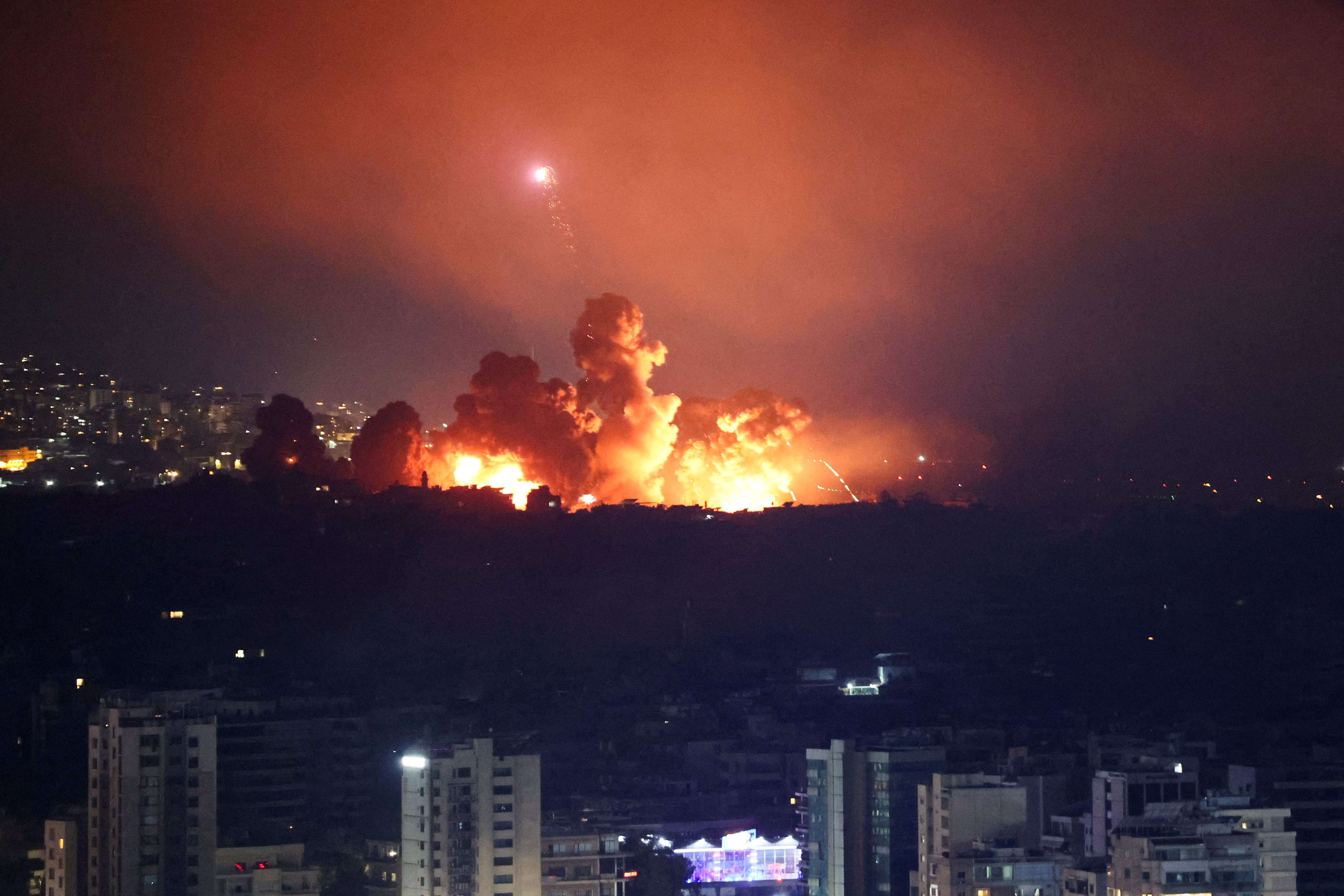
The conflict has reached a critical milestone, marking 100 days of sustained hostilities. The latest reports indicate a sharp spike in violence along the Lebanese border. According to Euronews, at least 2 individuals were killed and 22 others wounded following Israeli attacks in Lebanon. These strikes are part of a broader pattern of Israeli military operations aimed at degrading the capabilities of Iranian-backed proxies in the region.
The human cost in Lebanon is reflecting a volatile security environment. While the specific targets of these strikes are often cited as military installations or operative hubs, the resulting casualties have fueled local instability. Reports from Inshorts highlight that Israel has launched multiple attacks within Lebanon, leading to significant casualties and raising concerns about the proportionality of the response.
The timing of these attacks is particularly sensitive. Entering the 100th day of war suggests a conflict that has moved past the initial shock of escalation into a protracted war of attrition. For the Lebanese population, this means a prolonged state of emergency, displaced communities, and a crumbling infrastructure under the weight of constant bombardment.
- Current Casualty Count: At least 2 dead, 22 wounded in the most recent wave of strikes.
- Conflict Duration: 100 days of active hostilities.
- Primary Driver: Israeli efforts to neutralize threats from Iranian-backed groups on its northern border.
Iran’s Strategic Expansion: Missiles Toward Kuwait and Bahrain
While the fighting in Lebanon and Gaza captures the immediate headlines, the conflict has expanded geographically. In a significant escalation, Iran has fired missiles toward Kuwait and Bahrain. This move signals that Tehran is willing to extend the theater of war beyond the immediate borders of Israel and its direct proxies.
According to reports from The Sunday Guardian, these missile launches indicate a shift in Iranian strategy. By targeting Gulf states, Iran is likely attempting to pressure the broader Arab coalition and signal that any continued support for Israeli operations or US presence in the region could result in direct strikes on sovereign Gulf territories.
The targeting of Kuwait and Bahrain is particularly provocative given the security arrangements in the Persian Gulf. These nations have long relied on US security guarantees, and direct Iranian aggression against them forces the United States to decide whether it will engage in a direct kinetic conflict with Iran to protect its allies.
“The conflict is no longer contained to a few border skirmishes; it is evolving into a multi-front regional confrontation involving the Gulf states.”
US Military Response and the Downing of Iranian Drones
The United States has been forced into a more active military role to prevent a total regional collapse. Moneycontrol reports that the US has successfully downed Iranian drones, an action that prevents further strikes on allied territories and limits Iran’s ability to conduct surveillance or precision attacks.
However, the US relationship with Israel is currently strained. While the US provides the military hardware and diplomatic cover necessary for Israel’s operations, there is growing friction over the execution of these strikes. Inshorts reports that the US has “fumed” at Israel over specific strikes in Lebanon, suggesting that Washington views some of the Israeli actions as counterproductive to the goal of regional stability.
This tension creates a complex diplomatic paradox: the US is simultaneously fighting Iranian drones in the air and criticizing Israeli strikes on the ground. This duality reflects the struggle between maintaining a strategic alliance with Israel and preventing a catastrophic war that could draw the US into a direct, long-term conflict with Iran.
| Actor | Recent Action | Reported Source |
|---|---|---|
| Israel | Strikes in Lebanon (2 dead, 22 wounded) | Euronews / Inshorts |
| Iran | Missiles fired toward Kuwait & Bahrain | The Sunday Guardian |
| United States | Downed Iranian drones; criticized Lebanon strikes | Moneycontrol / Inshorts |
| Pakistan | Pushed for immediate peace negotiations | Moneycontrol |
The Gaza Front: Targeting the Qassam Brigades
The war in Lebanon cannot be viewed in isolation from the ongoing devastation in Gaza. The two fronts are inextricably linked, as both involve Iranian-backed entities. Israel recently claimed that a targeted strike in Gaza successfully killed a commander of the Qassam Brigades, the military wing of Hamas.
According to The Sunday Guardian, this strike is part of Israel’s broader strategy to decapitate the leadership of Hamas while simultaneously pressuring Hezbollah in Lebanon. By removing key commanders, Israel aims to disrupt the coordination between the different “axes of resistance” supported by Tehran.
The link between Gaza and Lebanon is a primary driver of the regional fear. When Israel strikes a commander in Gaza, it often triggers a retaliatory response from Hezbollah in Lebanon. Conversely, strikes in Lebanon are often framed as a way to relieve pressure on the Gaza front. This “tit-for-tat” cycle is what has pushed the conflict to its 100th day without a clear diplomatic exit.
For those seeking more context on the regional dynamics, a related explainer on the Axis of Resistance may provide further insight into how these groups coordinate their efforts.
Global Diplomatic Reactions: From Pakistan to Donald Trump
As the violence spreads, international pressure for a ceasefire has intensified. The reactions vary from diplomatic pleas to blunt political demands.

The Pakistani Push for Peace
Pakistan has emerged as a vocal advocate for de-escalation. According to Moneycontrol, Pakistan is pushing for peace, emphasizing the need for a diplomatic resolution to prevent the Middle East from sliding into a total war. Pakistan’s position is rooted in the fear that a wider conflict would destabilize global energy markets and exacerbate the humanitarian crisis across the Islamic world.
Donald Trump’s Intervention
In the United States, the political discourse is also shifting. The Sunday Guardian reports that Donald Trump has stated that the conflict must end. While not currently in office, Trump’s comments reflect a growing sentiment among some segments of the US political establishment that the current trajectory of the war is unsustainable and that a swift conclusion is necessary to avoid a larger US entanglement.
The US State Department’s Dilemma
The current US administration finds itself in a precarious position. It must balance its “ironclad” commitment to Israel’s security with the reality that Israeli strikes in Lebanon are fueling the very regional war the US is trying to avoid. The report that the US “fumed” at Israel suggests that the window for quiet diplomatic guidance is closing, and the US may soon be forced to take a more public stand against certain military tactics.
Why This Conflict Matters: The Risk of a Wider Regional War
The central fear shared by the National Herald and other observers is that these events are not isolated incidents but symptoms of a wider regional conflict. Several factors make this current phase particularly dangerous:
- Multi-Front Warfare: The conflict is no longer just Israel vs. Hamas. It now involves Israel vs. Hezbollah (Lebanon), Israel vs. Iranian-backed militias in Syria and Iraq, and direct confrontations between the US and Iran.
- Targeting of Neutral Parties: The firing of missiles toward Kuwait and Bahrain suggests that “neutral” or “third-party” Gulf states are now within the crosshairs, which could force them to militarize further.
- The 100-Day Psychological Barrier: Reaching 100 days often signifies a transition from a “crisis” to a “war.” This shift makes it harder for leaders to backtrack without appearing weak, increasing the likelihood of further escalation.
- The Humanitarian Toll: With 2 dead and 22 wounded in a single incident in Lebanon, and massive casualties in Gaza, the humanitarian pressure is mounting, often leading to more desperate and unpredictable actions by local actors.
The risk is that a single miscalculation—such as a missile hitting a civilian center in a Gulf state or a high-ranking official being killed—could trigger a mandatory response that neither the US nor Iran truly wants, but neither can avoid for the sake of prestige and deterrence.
Common Misconceptions About the Current Conflict
To understand the news accurately, it is important to clear up several common oversimplifications regarding the “Iran War” and the strikes in Lebanon.
Misconception 1: This is only a border dispute between Israel and Lebanon.
In reality, Lebanon is a proxy theater. The conflict is fundamentally a struggle for regional hegemony between Israel and Iran. Hezbollah acts as Iran’s primary deterrent and leverage point on Israel’s border.
Misconception 2: The US is fully supportive of all Israeli strikes.
As noted by Inshorts, the US has expressed significant anger over certain strikes in Lebanon. There is a clear divide between supporting Israel’s right to defend itself and supporting specific tactical decisions that risk a wider war.
Misconception 3: Iran is only fighting through proxies.
The reports of missiles fired toward Kuwait and Bahrain, and the deployment of drones that the US had to down, show that Iran is increasingly using its own state assets to project power and intimidate regional neighbors.
For deeper analysis of the geopolitical shifts in the Gulf, you may find a related explainer on Gulf security pacts useful.
Frequently Asked Questions
How many people were injured in the recent Lebanon strikes?
According to Euronews, the most recent strikes in Lebanon resulted in at least 2 deaths and 22 wounded individuals as the conflict entered its 100th day.
Why is Iran firing missiles toward Kuwait and Bahrain?
While official Iranian statements are often veiled, reporting from The Sunday Guardian suggests these actions are intended to pressure Gulf states and signal that the conflict can expand beyond Israel’s immediate borders.
What was the US response to the strikes in Lebanon?
The US response has been mixed. While the US continues to provide military support to Israel, Inshorts reports that the US government has “fumed” at Israel over specific strikes in Lebanon due to fears of wider regional escalation.
Who are the Qassam Brigades?
The Qassam Brigades are the military wing of Hamas. Israel recently claimed to have killed one of their commanders in a strike in Gaza, as reported by The Sunday Guardian.
Is there any international effort to stop the war?
Yes. Pakistan has been actively pushing for peace and diplomatic negotiations to prevent a total regional war, and figures like Donald Trump have publicly stated that the conflict must end.
