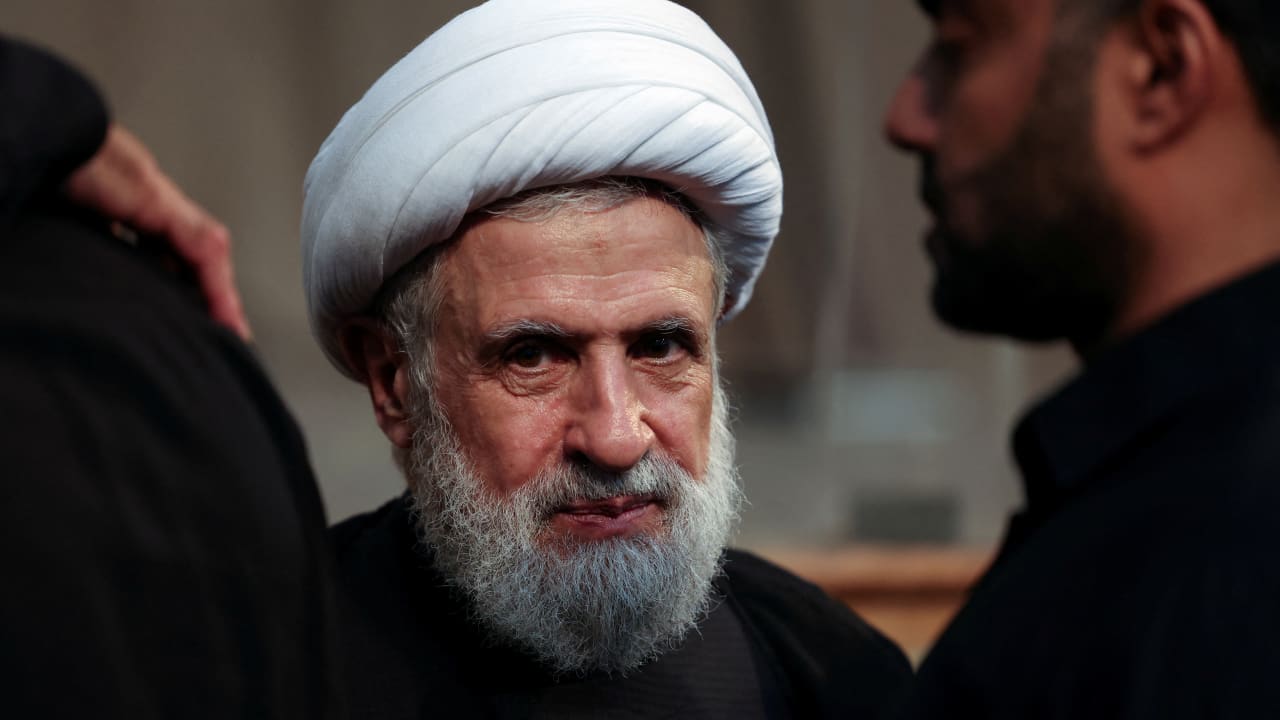
Hezbollah Secretary-General Demands Israel Leave Lebanon as Ceasefire Negotiations Intensify
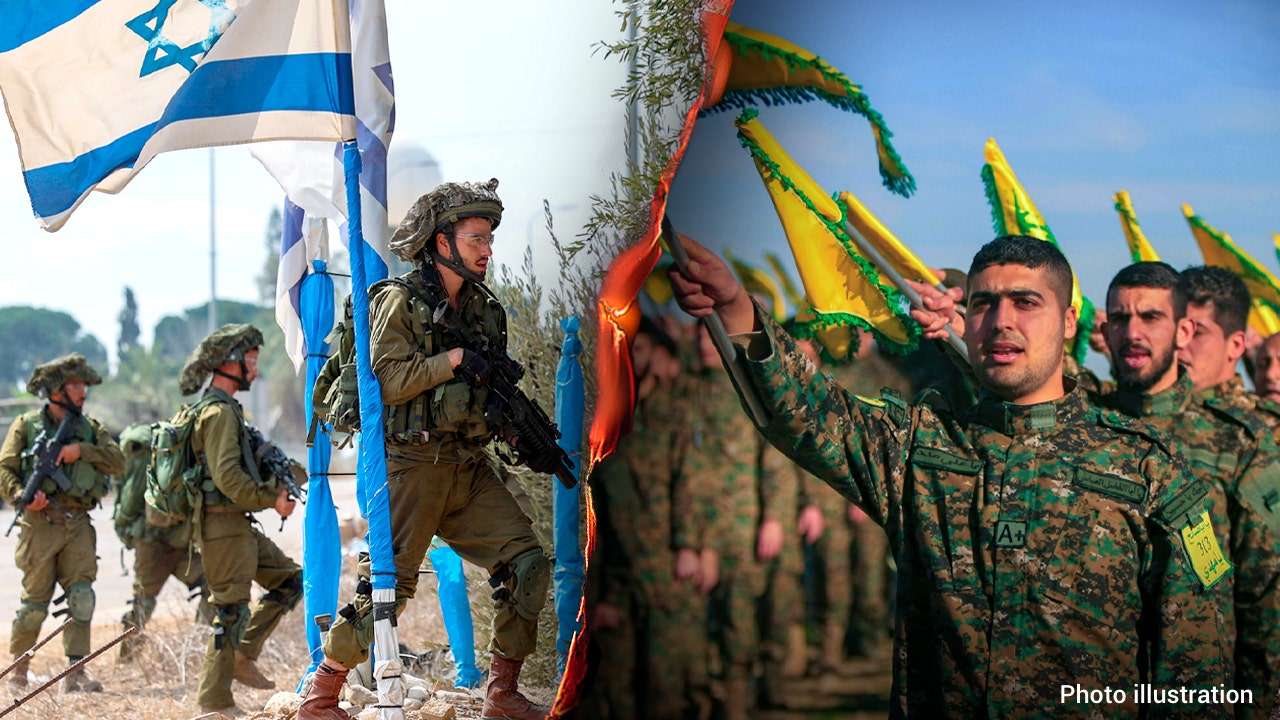
Hezbollah’s leadership is demanding a complete Israeli military withdrawal from Lebanese territory as a condition for peace, according to reports. While U.S. officials state a ceasefire between Israel and Hezbollah is set to begin this Friday, the New York Times reports that Israeli representatives maintain troops will remain in Lebanon, creating a significant diplomatic gap between the two parties.
What are the primary demands regarding the Israel-Hezbollah ceasefire?
The current diplomatic friction centers on the physical presence of the Israel Defense Forces (IDF) within Lebanese borders. In a development where the Hezbollah secretary-general demands Israel leave Lebanon – The Jerusalem Post reports, the group’s leadership has made the total exit of Israeli forces a non-negotiable requirement for a sustainable truce.
This demand contrasts with the current position of the Israeli government. According to the New York Times, an Israeli ambassador has stated that while Israel is committed to a new ceasefire, troops will remain in Lebanon. This suggests a strategy of maintaining a security buffer or a tactical presence to prevent Hezbollah from re-establishing infrastructure near the border.
The discrepancy between these two positions—total withdrawal versus maintained presence—remains the primary obstacle to a fully realized peace agreement. The U.S. government is currently attempting to bridge this gap to ensure the truce holds.
When does the ceasefire begin and who is mediating?
A U.S. official told Reuters that Israel and Hezbollah have agreed to a ceasefire starting this Friday. This timeline indicates a rapid diplomatic push to halt hostilities before further escalation occurs.
The United States is the primary mediator in these talks. Axios reports that U.S. officials claim the ceasefire is “back on,” suggesting that previous setbacks in negotiations have been overcome through intensive diplomacy. The U.S. role involves coordinating between the Israeli security cabinet and Hezbollah’s leadership, often via intermediaries, to establish a framework that satisfies both security needs and sovereign demands.
Key elements of the U.S.-led effort include:
- Establishing a firm start date for the cessation of hostilities.
- Negotiating the terms of troop movements and withdrawals.
- Creating a verification mechanism to ensure neither side violates the agreement.
How does the current situation in Southern Lebanon look?
While diplomats negotiate in capitals, the physical reality on the ground is one of widespread devastation. AP News has released photos showing a “shattered south” in Lebanon, where entire towns and villages have been reduced to rubble. Residents in these areas are currently waiting for the peace agreement to take effect so they can begin the process of returning and rebuilding.

The scale of the destruction in Southern Lebanon includes:
- Complete demolition of residential infrastructure in border villages.
- Severe damage to agricultural lands and essential utilities.
- Mass displacement of civilian populations who cannot return until security guarantees are finalized.
The humanitarian crisis adds urgency to the ceasefire, as the lack of basic services and shelter makes the “shattered” state of the south a critical priority for the Lebanese government and international aid agencies.
Comparing the Positions of Key Stakeholders
The gap between the reported commitments and the demands of the combatants is evident when comparing the statements from the various sources involved in the negotiations.
| Stakeholder | Reported Position/Status | Source |
|---|---|---|
| Hezbollah | Demands total Israeli withdrawal from Lebanon | The Jerusalem Post |
| Israel | Commits to ceasefire but maintains troops will stay | The New York Times |
| United States | Claims ceasefire is “back on” and starts Friday | Axios / Reuters |
| Lebanese Civilians | Awaiting peace amid shattered infrastructure | AP News |
Why the troop presence is a critical sticking point
The insistence that Israel leave Lebanon is not merely a symbolic demand for sovereignty but a strategic requirement for Hezbollah. From the group’s perspective, any remaining Israeli presence constitutes a continuing occupation and a potential launchpad for further incursions.
Conversely, the Israeli position, as reported by the New York Times, reflects a belief that a total withdrawal without a robust verification mechanism would allow Hezbollah to return to the border. This would essentially reset the conditions that led to the current conflict. Israel’s desire to keep troops in certain areas is likely intended to ensure that Hezbollah does not re-arm the southern border region.
This creates a “security dilemma” where the action one side takes to feel safe (staying in Lebanon for security) makes the other side feel unsafe (viewing it as an occupation), thereby threatening the stability of the ceasefire.
The role of U.S. diplomacy in the “Back On” ceasefire
The claim by the U.S. that the ceasefire is “back on” suggests a breakthrough in the wording of the agreement. Often, in such conflicts, “creative ambiguity” is used in the text of a ceasefire to allow both sides to claim victory. For example, an agreement might specify a “gradual withdrawal” or “coordinated security arrangements” without explicitly stating a date for the final soldier to leave.

According to reports from Axios and Reuters, the U.S. is pushing for a Friday start to prevent the window for diplomacy from closing. The urgency is driven by the risk that a failed ceasefire could lead to a wider regional conflict, drawing in other actors in the Middle East.
To ensure the agreement lasts, the U.S. is likely focusing on three primary pillars:
- Immediate Cessation: Stopping the exchange of fire to allow humanitarian access.
- Phased Withdrawal: Negotiating a timeline that allows Israel to feel secure while satisfying Hezbollah’s demand for an exit.
- International Monitoring: Utilizing third-party observers to verify that Hezbollah is not rebuilding military assets in the south.
Common misconceptions about the Lebanon ceasefire
There is often a misunderstanding that a “ceasefire” is equivalent to a “peace treaty.” In this context, the agreement is a cessation of active hostilities, not a permanent diplomatic resolution. A ceasefire stops the bombing and shelling, but it does not necessarily resolve the underlying territorial disputes or the status of Hezbollah as a political and military entity in Lebanon.
Another misconception is that the U.S. has total control over the outcome. While the U.S. is the primary mediator, the actual implementation depends on the internal politics of the Israeli war cabinet and the leadership of Hezbollah. As seen in the contrast between the New York Times and Jerusalem Post reports, the parties are still disagreeing on the fundamental terms of the withdrawal.
What the “shattered south” means for future stability
The physical state of Southern Lebanon, as documented by AP News, will play a significant role in whether the ceasefire holds. When populations return to destroyed villages, the immediate need for housing and food can either be a catalyst for peace or a source of further instability.
If the Lebanese government and international community fail to provide rapid reconstruction, the resulting economic desperation could be exploited by militant groups. Furthermore, the presence of Israeli troops—if they remain as the New York Times suggests—could lead to friction with returning civilians, potentially sparking new clashes that could collapse the fragile truce.
The transition from a state of war to a state of “shattered peace” requires more than just a stop to the fighting; it requires a massive logistical effort to restore the viability of the region.
Frequently Asked Questions
Does Hezbollah agree to the ceasefire?
According to U.S. officials cited by Reuters, Israel and Hezbollah have agreed to a ceasefire starting Friday. However, the Jerusalem Post reports that Hezbollah’s leadership continues to demand a full Israeli withdrawal as a primary condition.
Will Israeli troops leave Lebanon immediately?
There is conflicting information. While Hezbollah demands a full exit, the New York Times reports that an Israeli ambassador stated troops will remain in Lebanon even as the country commits to the ceasefire.
When does the ceasefire take effect?
A U.S. official told Reuters that the ceasefire is expected to begin this coming Friday.
What is the current condition of Southern Lebanon?
AP News reports that the region is “shattered,” with photos showing extensive destruction of towns and villages, leaving residents in a state of limbo as they await the peace agreement.
Who is mediating the talks between Israel and Hezbollah?
The United States is the primary mediator, with officials from the U.S. government coordinating the terms of the truce, as reported by Axios and Reuters.
The stability of the region now depends on whether the U.S. can reconcile the demand that the Hezbollah secretary-general demands Israel leave Lebanon – The Jerusalem Post with Israel’s reported intention to maintain a military presence for security reasons. As the Friday deadline approaches, the world watches to see if the “shattered south” will finally find a path toward lasting peace.
