
Xbox Boss Asha Sharma Asked Her Chief Strategy Officer if The Brand Was ‘Fixable’ — Here’s His Response
Asha Sharma, an executive at Xbox, recently questioned the company’s Chief Strategy Officer (CSO) on whether the Xbox brand remained “fixable.” The CSO responded by outlining a strategic pivot focused on expanding the ecosystem beyond traditional hardware and prioritizing high-quality software delivery to regain market momentum, according to reporting on the internal dialogue.
The Conversation: Why Asha Sharma Questioned the Brand’s Future
The internal inquiry from Asha Sharma highlights a period of significant introspection within Microsoft’s gaming division. The question—asking if the brand was “fixable”—suggests a recognition of systemic issues regarding Xbox’s public perception, its competitive standing against Sony and Nintendo, and its perceived lack of a cohesive identity in the current console generation.
Reports indicate that this conversation occurred against a backdrop of fluctuating hardware sales and a perceived drought of “must-have” first-party exclusives. For years, the Xbox brand relied on the promise of the “most powerful console,” but as the industry shifted toward services and cross-platform availability, that hardware-centric value proposition began to erode. Sharma’s inquiry reflects a broader concern that the brand may have drifted too far from its core appeal to the enthusiast gaming community.
The core of the “fixability” debate centers on several critical points:
- Identity Crisis: The transition from a hardware manufacturer to a “gaming ecosystem” provider.
- Software Gap: A lack of consistent, high-scoring first-party titles compared to the PlayStation Studios output.
- Market Share: The struggle to maintain hardware parity with the PlayStation 5 in key global markets.
The Chief Strategy Officer’s Response: The Path to Recovery
When asked if the brand was fixable, the Xbox Chief Strategy Officer did not shy away from the challenges but offered a roadmap for recovery. The response focused on the idea that “fixing” the brand does not mean returning to the strategies of the 2000s, but rather evolving the definition of what Xbox is.
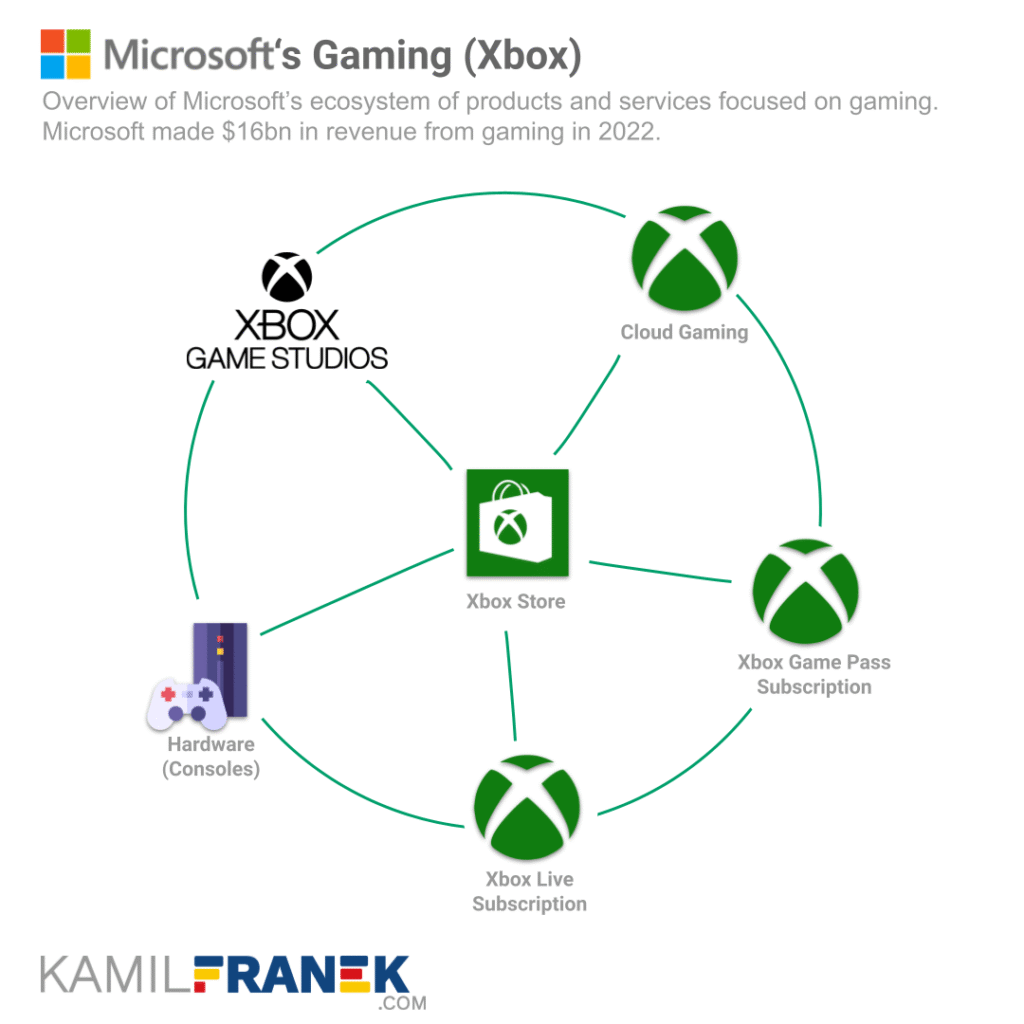
The CSO’s response emphasized a shift toward platform agnosticism. According to the strategic outlook, the “fix” involves decoupling the Xbox brand from the physical console. By bringing first-party titles to other platforms and expanding the reach of Game Pass, the brand can be “fixed” by becoming a ubiquitous service rather than a niche piece of hardware.
The strategy involves moving away from the “console war” mentality and toward a model where the brand’s value is measured by active users and subscription growth rather than unit sales of a specific black box.
This approach acknowledges that while the hardware may struggle to dominate the living room, the software and services can dominate the market. The CSO argued that the brand is fixable if the company can successfully execute a “software-first” mentality, ensuring that every release is a critical success, regardless of where it is played.
Why the ‘Fixability’ Debate Matters for the Gaming Industry
The dialogue between Sharma and the CSO is more than an internal corporate check-in; it is a signal of a fundamental shift in how the largest players in the industry view success. For decades, the industry was defined by “install bases.” If you sold more consoles, you won. The “Xbox Boss Asha Sharma Asked Her Chief Strategy Officer if The Brand Was ‘Fixable’ — Here’s His Response – IGN Africa” narrative underscores the death of that old metric.

This shift is a direct response to the changing habits of consumers. With the rise of mobile gaming, cloud streaming, and the success of the Nintendo Switch’s hybrid model, the traditional “home console” is no longer the only gateway to premium gaming. If Xbox can successfully “fix” its brand by becoming a service-led entity, it creates a blueprint for other hardware manufacturers who may find themselves lagging in unit sales.
However, this strategy carries significant risks. By moving away from hardware exclusivity, Xbox risks alienating its most loyal fanbase—the “hardcore” gamers who buy the console specifically for the exclusives. The tension between maintaining a loyal hardware base and expanding into a broad service provider is the central conflict the CSO must resolve.
Comparative Analysis: Xbox vs. Competitors
To understand why the brand’s “fixability” is even a question, it is necessary to look at the current landscape. While Microsoft has the largest financial backing through its parent company, its strategic approach differs wildly from its primary rivals.
| Feature | Xbox Strategy | PlayStation Strategy | Nintendo Strategy |
|---|---|---|---|
| Primary Goal | Ecosystem/Subscription Growth | Hardware Dominance/Prestige Software | Unique Hardware/IP Loyalty |
| Software Approach | Multi-platform / Game Pass | High-Budget Exclusives | First-Party Vertical Integration |
| Hardware Focus | Power & Compatibility | Immersive Experience (DualSense) | Portability & Innovation |
| Brand Identity | The “Netflix of Gaming” | The “Gold Standard” of Consoles | Family-Friendly Innovation |
As shown in the table, Xbox is the only entity explicitly trying to move away from the hardware-lock model. This is exactly why Asha Sharma’s question is so pertinent. If the “fix” is to stop competing on hardware, the brand must redefine itself entirely to avoid becoming irrelevant in the hardware space without having fully captured the service space.
The Role of Acquisitions in ‘Fixing’ the Brand
A significant part of the CSO’s confidence in the brand’s fixability likely stems from Microsoft’s aggressive acquisition strategy. The purchase of ZeniMax Media (Bethesda) and the massive acquisition of Activision Blizzard are intended to solve the “software gap” that Sharma’s concerns likely touched upon.
By bringing franchises like Call of Duty, Diablo, and The Elder Scrolls under the Xbox umbrella, Microsoft is attempting to buy the “fixability” that it couldn’t build organically. The logic is simple: if the brand lacks prestige, acquire the most prestigious franchises in history. This provides an immediate influx of high-quality content for Game Pass and gives the brand a reason to exist in the minds of millions of non-Xbox users.
Yet, acquisition is not a cure-all. The integration of these studios has been rocky, with layoffs and studio closures occurring even after the deals closed. The challenge for the CSO is to turn these acquired assets into a cohesive brand identity rather than a disjointed collection of studios.
Potential Consequences of a Failed Brand Pivot
If the CSO’s strategy fails to “fix” the brand, Xbox faces several precarious scenarios. The first is the “Software-Only” transition. If hardware sales continue to plummet and the brand fails to maintain a distinct identity, Microsoft may eventually abandon the console business entirely, transitioning Xbox into a publishing label similar to Sega in the early 2000s.
While this might be financially viable given the margins of digital software, it would be a massive strategic defeat. It would leave Microsoft without a “first-party” gateway to its customers, making them dependent on Sony, Nintendo, or Steam to reach their audience. This would give competitors significant leverage over how Xbox games are sold and distributed.
Another risk is the “Game Pass Fatigue.” If the brand’s only value proposition is a subscription service, it becomes vulnerable to pricing wars. If a competitor launches a similar, cheaper service, the “fixed” Xbox brand would have no hardware moat to protect its user base.
Addressing Common Misconceptions About Xbox’s Status
There are several prevailing myths regarding the current state of the Xbox brand that often cloud the “fixability” discussion.
Misconception 1: Xbox is “dying” because of low hardware sales.
According to financial reports, Microsoft’s gaming revenue remains massive, largely driven by Game Pass and the integration of Activision Blizzard. The “death” of the hardware is not necessarily the death of the business; it is a shift in business models. The brand isn’t dying; it is mutating.
Misconception 2: Game Pass is the only thing keeping Xbox alive.
While Game Pass is the flagship, the Xbox ecosystem includes PC gaming (Windows) and cloud infrastructure (Azure). The “fix” the CSO is discussing isn’t just about a subscription; it’s about leveraging the entire Microsoft tech stack to make gaming accessible on any screen.
Misconception 3: Multi-platform releases are a sign of defeat.
Critics argue that putting Xbox exclusives on PS5 is a white flag. However, from a strategic standpoint, it is a move to maximize ROI. High-budget games cost hundreds of millions to produce; limiting them to a smaller install base is a financial risk. The CSO likely views this as a pragmatic “fix” for the budget crisis of modern AAA gaming.
What to Monitor in the Coming Months
The success of the CSO’s response to Asha Sharma will be measured by a few key indicators over the next several quarters. First, the critical reception of the first wave of Activision Blizzard titles integrated into the ecosystem will be telling. If these games are handled poorly, the “software-first” fix fails.
Second, the announcement of the next generation of hardware will be a pivotal moment. If Microsoft announces a console that is fundamentally different—perhaps a device designed specifically for cloud gaming or a more flexible hybrid—it will show that they are still committed to the hardware side of the brand. If they pivot entirely to a “service-only” announcement, the brand’s transformation will be complete.
Finally, the growth rate of Game Pass in non-Xbox markets will indicate whether the brand is successfully detaching itself from the console. If the brand can grow in Japan or Europe without a corresponding increase in hardware sales, the CSO’s vision of a “fixable” brand through ecosystem expansion will have been validated.
Frequently Asked Questions
Who is Asha Sharma in the context of Xbox?
Asha Sharma is an executive at Xbox who, according to reports, has been involved in high-level discussions regarding the brand’s strategic direction and its viability in the current competitive market.
What did the Xbox Chief Strategy Officer mean by ‘fixing’ the brand?
The CSO suggested that the brand’s “fix” lies in moving away from a strict reliance on console hardware sales and instead focusing on a platform-agnostic approach, prioritizing software quality and the expansion of the Game Pass ecosystem.
Is Xbox moving away from making consoles?
While there has been no official announcement that Microsoft is stopping console production, the strategic shift discussed by leadership suggests a decreased reliance on hardware as the primary measure of success, favoring a “play anywhere” model instead.
How do acquisitions like Activision Blizzard help ‘fix’ the Xbox brand?
These acquisitions provide Xbox with a massive library of world-class intellectual property, which addresses the brand’s lack of consistent first-party exclusives and provides high-value content to attract more Game Pass subscribers.
Why is the ‘fixability’ of Xbox a topic of discussion now?
The discussion is driven by the increasing cost of game development, the plateauing of console hardware sales, and the need for Microsoft to define its identity in a market where the traditional “console war” is becoming less relevant.
For those tracking the evolution of the gaming industry, this internal dialogue serves as a case study in corporate pivot strategies. Whether the brand is truly “fixable” depends on whether consumers are willing to accept a version of Xbox that exists as a service rather than a physical object in their living room.
