The Top Gold Reserve Buyer in 2025 Wasn’t a Central Bank, It Was Tether – InvestingLive
For decades, the narrative surrounding gold reserves was predictable: national central banks accumulated the precious metal to hedge against currency devaluation and geopolitical instability. However, a seismic shift in the global financial architecture has emerged. In a stunning reversal of traditional monetary roles, reports indicate that the top gold reserve buyer in 2025 wasn’t a central bank, it was Tether. This pivot by the world’s largest stablecoin issuer signals a broader transition in how “value” is stored and perceived in an era of digital assets and fluctuating sovereign debt.
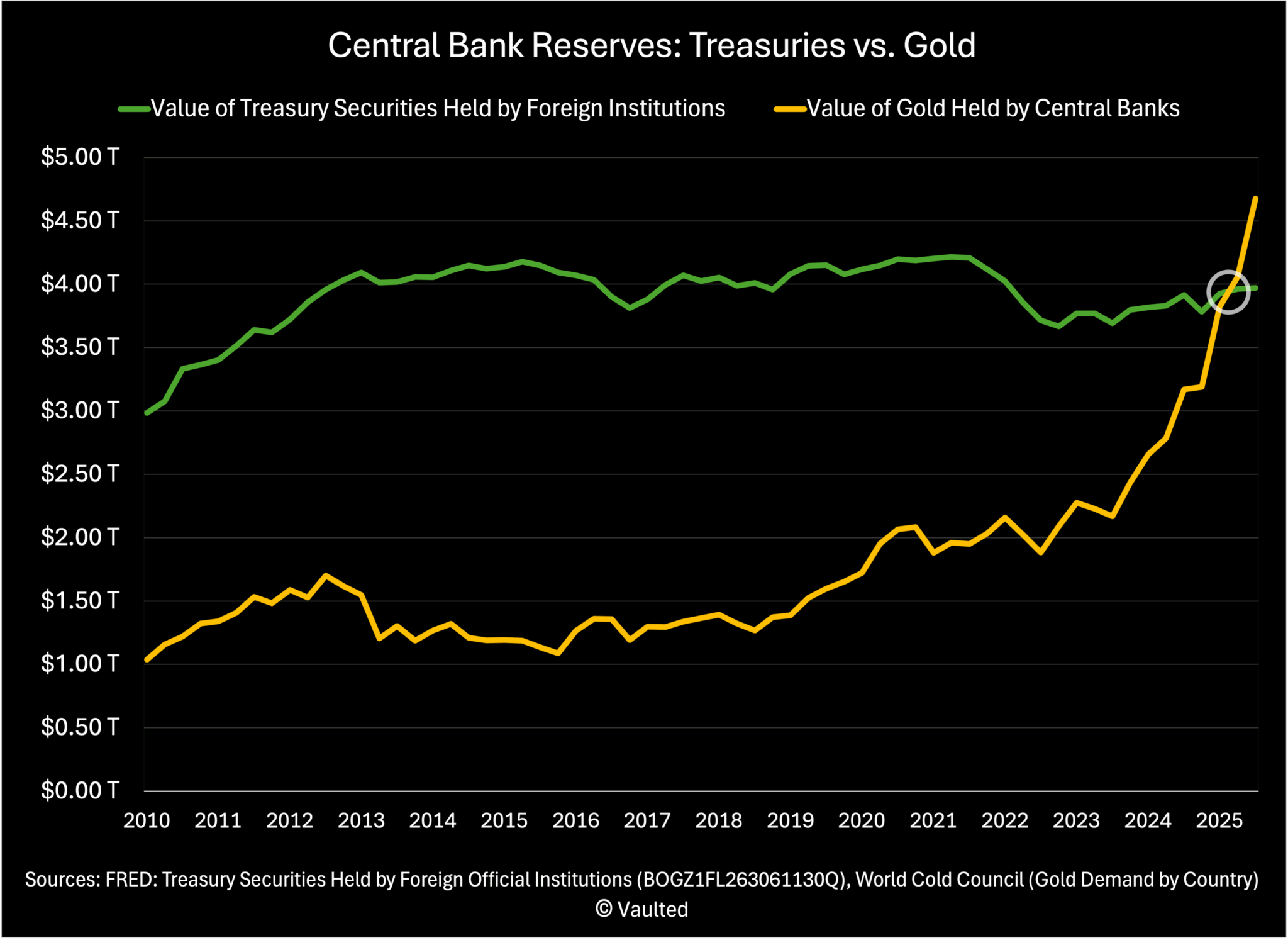
This development does not happen in a vacuum. It coincides with a growing trend where gold is increasingly viewed as the premier reserve asset, potentially overtaking U.S. Treasuries in preference among global institutions. As the European Central Bank (ECB) and other financial watchdogs note, the appetite for gold is no longer limited to the traditional “safe haven” players; it now encompasses private digital entities and a diversifying list of nations that have historically avoided the metal.
The Rise of the Private Reserve: Why Tether is Buying Gold
Tether, the company behind the USDT stablecoin, has fundamentally altered the scale of private gold accumulation. While central banks have long been the primary drivers of gold demand, Tether’s aggressive acquisition strategy suggests a move toward “hard asset” backing that transcends the traditional reliance on government-issued debt.
The logic behind this move is rooted in risk mitigation. For a stablecoin issuer, the primary goal is to maintain a 1:1 peg with the U.S. Dollar. Historically, this was achieved primarily through the purchase of U.S. Treasury bills. However, by diversifying into gold, Tether is insulating itself from the specific risks associated with sovereign debt, such as interest rate volatility and the political instability of the issuing nation.
“The shift toward gold by private entities like Tether represents a democratization—or perhaps a privatization—of reserve management. When a private company begins to outpace national banks in gold accumulation, it suggests a lack of confidence in the traditional ‘risk-free’ status of government bonds.”
Strategic Diversification of the USDT Backing
Tether’s strategy involves moving away from a mono-asset reserve. By integrating gold, the company achieves several objectives:
- Counter-Cyclical Protection: Gold often moves inversely to equities and certain debt instruments during periods of extreme market stress.
- Reduced Counterparty Risk: Unlike a Treasury bond, which is a promise to pay by a government, physical gold is an asset that carries no counterparty risk.
- Enhanced Transparency: As demands for stablecoin audits increase, holding tangible, verifiable assets like gold provides a more concrete layer of security for holders.
Gold vs. U.S. Treasuries: A Changing Global Hierarchy
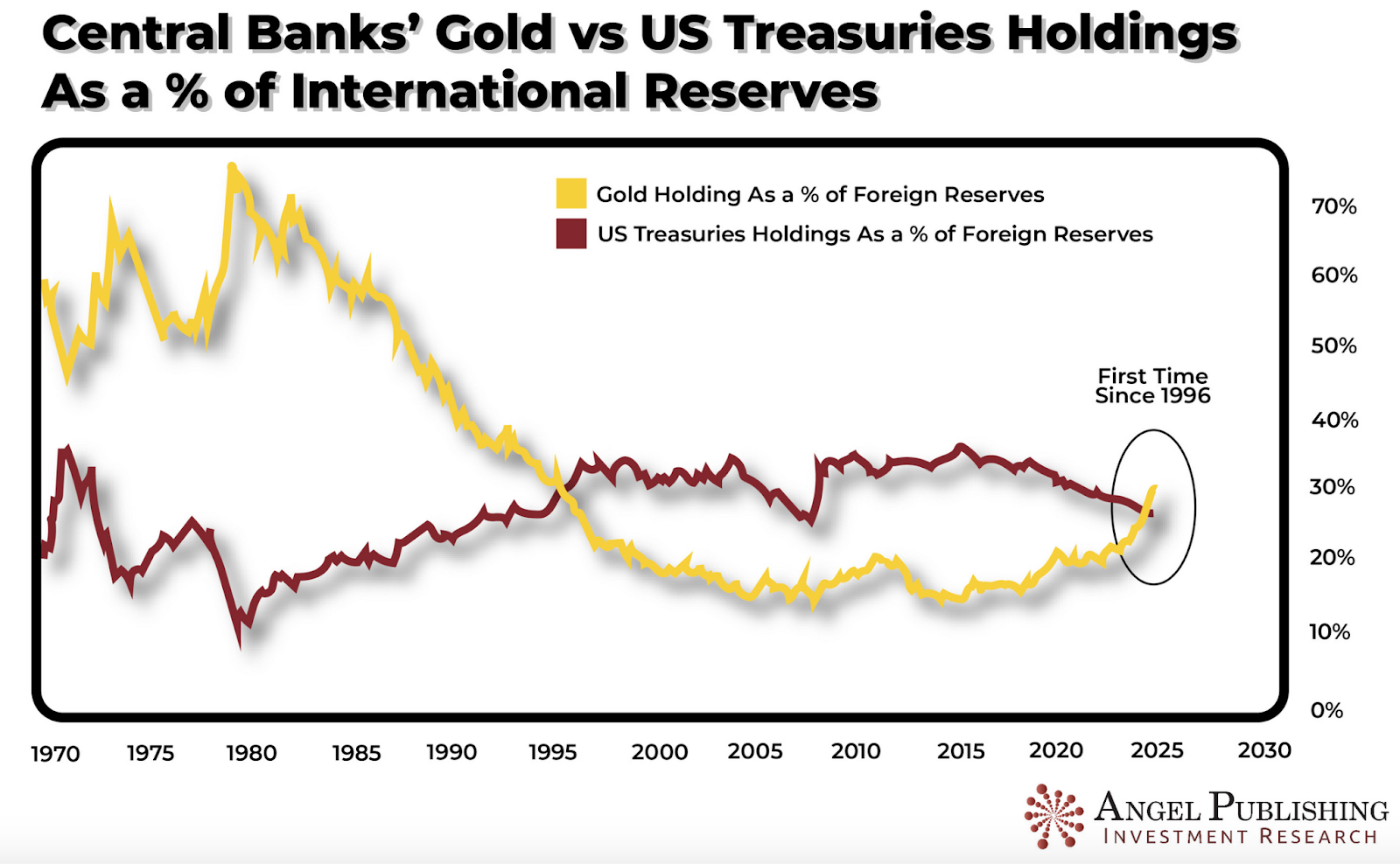
The emergence of Tether as a lead buyer is a symptom of a larger macroeconomic trend: the gradual erosion of U.S. Treasuries as the undisputed king of reserve assets. Recent reports, including insights from the European Central Bank, suggest that gold is regaining its status as the asset of choice for those managing massive portfolios of wealth.
For years, the U.S. Treasury market was the bedrock of global finance because of its liquidity and the perceived stability of the U.S. Economy. However, several factors have contributed to a pivot toward gold:
The Weaponization of Reserves
The geopolitical landscape has changed. The freezing of sovereign reserves during international conflicts has served as a wake-up call for many nations. When a reserve asset can be “turned off” by a foreign government, it is no longer a safe haven; it is a liability. Gold, held physically within a country’s own borders, cannot be frozen or sanctioned by an external power.
Debt Sustainability Concerns
The sheer volume of U.S. National debt has led to questions regarding the long-term value of the dollar and its bonds. Investors and central banks are increasingly concerned about inflation and the potential for “fiscal dominance,” where monetary policy is dictated by the need to fund government debt rather than maintain price stability.
| Feature | U.S. Treasuries | Physical Gold |
|---|---|---|
| Counterparty Risk | Dependent on U.S. Government | None (Intrinsic Value) |
| Liquidity | Extremely High | High (though transport is slower) |
| Political Risk | Subject to Sanctions/Freezing | Low (if held domestically) |
| Yield | Fixed Interest Payments | None (Price Appreciation Only) |
Expanding the Buyer List: New Entrants in the Gold Market
While Tether captures the headlines, the “Buyer List” for gold is expanding in unexpected directions. We are seeing a surge in gold acquisitions from countries that have historically had little to no gold in their reserves. This suggests a global movement toward a “multipolar” financial system.
These new buyers are often emerging economies or nations seeking to reduce their dependence on a single reserve currency. By adding gold to their balance sheets, these countries are creating a financial buffer that allows them to engage in international trade with less fear of currency shocks or diplomatic pressures.
Key drivers for new national buyers include:
- Currency Stabilization: Using gold to support the value of a domestic currency during volatile periods.
- Trade Settlement: Exploring gold-backed mechanisms for settling cross-border trade to bypass traditional payment systems.
- Inflation Hedging: Protecting national wealth against the devaluation of fiat currencies.
For a deeper understanding of how this affects global trade, you may find a related explainer on de-dollarization useful.
Implications for the Global Financial System
The fact that the top gold reserve buyer in 2025 wasn’t a central bank, it was Tether, is more than just a trivia point for crypto enthusiasts—it is a signal of a structural shift in global finance. We are moving from a period of centralized trust (trust in the U.S. Treasury) to a period of distributed or intrinsic trust (trust in gold and decentralized assets).
The “Private Central Bank” Phenomenon
Tether is effectively operating as a private central bank. By managing a reserve that rivals some small nations, it influences the price and availability of gold. This creates a feedback loop: as Tether buys more gold, the asset becomes more attractive to other private entities, which in turn pressures central banks to increase their own holdings to maintain their relative influence.
Market Volatility and Price Action
The entry of massive private buyers into the gold market introduces new types of volatility. Central banks typically buy gold in a steady, predictable manner. Private entities, however, can move much faster, executing large-scale purchases based on algorithmic triggers or sudden shifts in corporate strategy. This could lead to sharper price swings in the gold market.
Common Misconceptions About the Gold Pivot
As gold returns to the spotlight, several myths have emerged that require clarification to provide a balanced view of the situation.
Myth 1: “We are returning to the Gold Standard”
Many believe that the increase in gold buying means the world is returning to a system where currencies are pegged to gold. This is unlikely. The current trend is not about creating a rigid gold standard, but about diversification. Institutions are not looking to tie their entire economy to gold, but rather to ensure they aren’t 100% dependent on any single fiat currency.
Myth 2: “Gold is only for ‘doomsday’ investors”
The idea that gold is only for those expecting a total societal collapse is outdated. Modern gold accumulation by entities like Tether and the ECB is a sophisticated risk-management strategy. It is about optimizing a portfolio to survive various scenarios—from moderate inflation to severe geopolitical conflict—not just the “end of the world.”
Myth 3: “Digital assets replace gold”
Some argued that Bitcoin would be “digital gold” and render physical gold obsolete. The actions of Tether prove the opposite. Tether, a leader in the digital asset space, is buying physical gold. This suggests that digital assets and physical gold are complementary, not competitive, providing different types of security (one through decentralization/code, the other through physical scarcity/history).
The Strategic Outlook: What to Monitor
The shift in reserve preferences is a long-term trend that is unlikely to reverse overnight. To understand where the global economy is heading, observers should monitor several key indicators:
- Tether’s Reserve Transparency: Whether Tether continues to increase its gold percentage relative to Treasuries will be a bellwether for private sector confidence in sovereign debt.
- ECB and IMF Policy Shifts: Any official change in how the IMF or ECB classifies “reserve assets” could trigger a massive reallocation of wealth globally.
- The “New Buyer” Velocity: Keep an eye on which emerging markets are entering the gold market. If a bloc of nations begins coordinating gold purchases, it could signal the creation of a gold-backed trade alternative.
For more context on how these shifts impact individual investors, see our analysis of hedge fund diversification strategies.
Frequently Asked Questions
Why is Tether buying gold instead of just holding US Treasuries?
Tether is diversifying its reserves to reduce “concentration risk.” While US Treasuries are highly liquid, they carry sovereign risk and are subject to the political and fiscal health of the US government. Gold provides a hedge against inflation and a store of value that does not rely on a government’s promise to pay.

Does this mean the US Dollar is collapsing?
Not necessarily. The US Dollar remains the dominant global trade currency. However, the trend indicates a move toward a “multipolar” system where the dollar is one of several primary reserves, rather than the only one. It is a shift in preference and risk management rather than an immediate collapse.
How does Tether’s gold buying affect the price of gold?
Large-scale buying by a single entity increases demand. When an organization the size of Tether enters the market aggressively, it can put upward pressure on prices and signal to other investors that gold is a viable strategic asset, further driving demand.
What did the ECB report say about gold?
The European Central Bank has highlighted that gold is increasingly viewed as a preferred reserve asset due to its lack of counterparty risk and its ability to maintain value during periods of systemic financial stress, often performing better than traditional government bonds in extreme crises.
Are other stablecoins following Tether’s lead?
While Tether is the most prominent, other stablecoin issuers are under increasing pressure to prove their reserves are “safe.” While many still rely on Treasuries, the move toward a diversified basket of assets—including gold or other hard commodities—is becoming a discussed strategy for improving long-term solvency.
The redistribution of global reserves is an ongoing process. The fact that a digital asset company now rivals central banks in its gold-buying capacity is a vivid illustration of the new financial era. As the boundaries between traditional finance and digital assets blur, the timeless appeal of gold as the ultimate insurance policy remains unchanged, even if the identity of the policyholder has shifted from the state to the corporation.
