Iran’s World Cup Triumph Amid Political Turmoil: How Football Became a Beacon of Unity in a Nation Divided
TEHRAN — As Iran’s national team advanced to the knockout stages of the 2022 World Cup, the country’s football pitches became an unlikely stage for national pride, offering a rare moment of unity in a nation grappling with economic hardship and geopolitical tensions. With U.S. peace talks stalled and international sanctions tightening, the team’s unexpected success has injected a surge of morale into a population desperate for hope. Yet behind the celebrations lies a complex reality: how a sporting underdog’s resilience reflects deeper societal fractures—and the delicate balance between triumph on the field and turmoil off it.
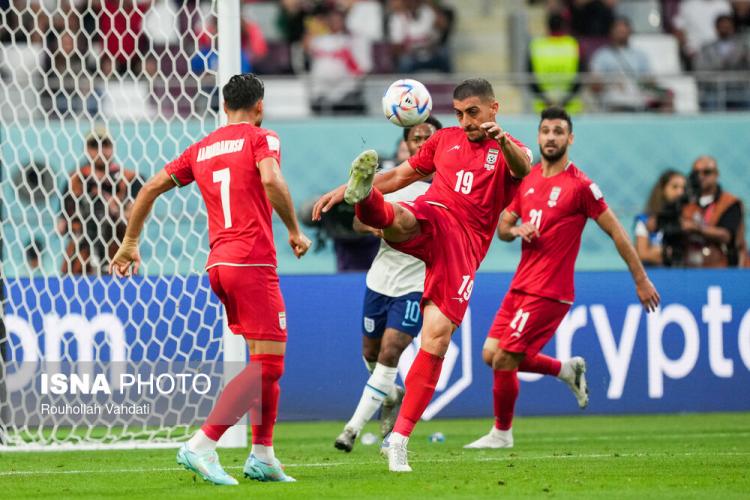
According to sports analysts and local media reports, Iran’s World Cup campaign has defied expectations, with players and fans alike framing the tournament as a distraction from the country’s political and economic struggles. “This is not just about football,” said Ali Karimi, a former Iranian striker and current coach, in a post-match interview. “It’s about proving that Iran can stand tall even when the world tries to push us down.” The team’s progress—including a dramatic victory over England—has sparked a wave of patriotism, with social media flooded by fans using the hashtag #TeamMelli, a term that transcends politics and unites Iranians across generations.
The timing of Iran’s success could not be more stark. Just weeks before the World Cup, the U.S. and Iran were engaged in indirect talks aimed at reviving the 2015 nuclear deal, a process that has been repeatedly derailed by mutual distrust. Meanwhile, Iran’s economy has been crippled by inflation exceeding 40%, according to the International Monetary Fund, and the rial has plummeted in value. Yet on the football field, Iran’s players have delivered performances that have captivated a global audience, offering a fleeting escape from the country’s daily challenges.
Why the World Cup matters in Iran
For many Iranians, the World Cup represents more than just a sporting event—it is a symbol of defiance. The team’s journey has been marked by resilience, particularly in the face of international scrutiny. Before the tournament, Iranian players faced criticism for their silence on political issues, with some fans booing the national anthem during a match against Belgium. The team’s captain, Ehsan Hajsafi, addressed the controversy head-on, telling reporters, “We are here to play football, not politics. But our success on the field speaks louder than any protest.”
This duality—football as both a unifier and a political statement—has been a defining feature of Iran’s campaign. While the government has historically used sports to project national strength, the current team’s approach has been more subdued, focusing on performance rather than propaganda. “The players are walking a tightrope,” said Dr. Reza Afshari, a political analyst at Tehran University. “They must avoid becoming tools of the regime while still delivering results that boost national morale.”
The contrast between Iran’s sporting success and its political isolation is striking. While the team’s progress has been celebrated domestically, it has also drawn attention to the broader geopolitical tensions. The U.S. has maintained sanctions on Iran, citing human rights concerns and nuclear proliferation risks, while Iran has accused Western powers of reneging on the nuclear deal. Yet on the pitch, Iran’s players have managed to transcend these divisions, at least temporarily.
A timeline of Iran’s World Cup journey and its political backdrop
| Date | Event | Context |
|---|---|---|
| November 20, 2022 | Iran defeats England 2-1 in World Cup group stage | Victory sparkles patriotic fervor amid economic crisis; fans rally around team despite political tensions. |
| November 24, 2022 | Iran advances to knockout stage with a draw against Wales | Team’s composure under pressure contrasts with government’s diplomatic struggles in nuclear talks. |
| November 28, 2022 | Iran’s captain addresses fan boos during national anthem before Belgium match | Incident highlights tension between sports and politics; team avoids deeper controversy. |
| December 2022 | U.S. and Iran indirect talks stall; sanctions remain in place | Economic hardship worsens, but World Cup success provides temporary relief. |
The table above outlines key moments in Iran’s World Cup campaign, each reflecting the broader political and economic context. While the team’s progress has been a source of pride, it has also underscored the challenges Iran faces both on and off the field.
How Iran’s success compares to past sporting achievements
Iran’s World Cup run is not the first time sports have played a pivotal role in the country’s national identity. In the 1970s, the football team’s success under coach Dariush Shahrokhi helped unite a nation ahead of the Islamic Revolution. More recently, the 2018 Asian Cup victory under Carlos Queiroz provided a brief respite from political turmoil. However, this year’s campaign stands out due to its timing—coinciding with a period of heightened international isolation and economic strain.
According to sports historian Dr. Mohammad Reza Farahmand, Iran’s ability to use football as a unifying force has evolved over time. “In the past, sports were often used as a tool of the state,” he said. “Today, the team’s success is more organic, driven by the players’ performances rather than government directives.” This shift reflects a broader change in how Iranians engage with their national team, viewing it as a symbol of resilience rather than political propaganda.
The economic and political realities behind the football fever
Despite the euphoria on the pitch, Iran’s economic situation remains dire. The World Bank estimates that 45% of Iranians live below the poverty line, with unemployment rates exceeding 12%. The rial’s value has dropped by nearly 60% against the dollar since 2018, exacerbating inflation and reducing purchasing power. Yet, for many, the World Cup has provided a much-needed distraction.
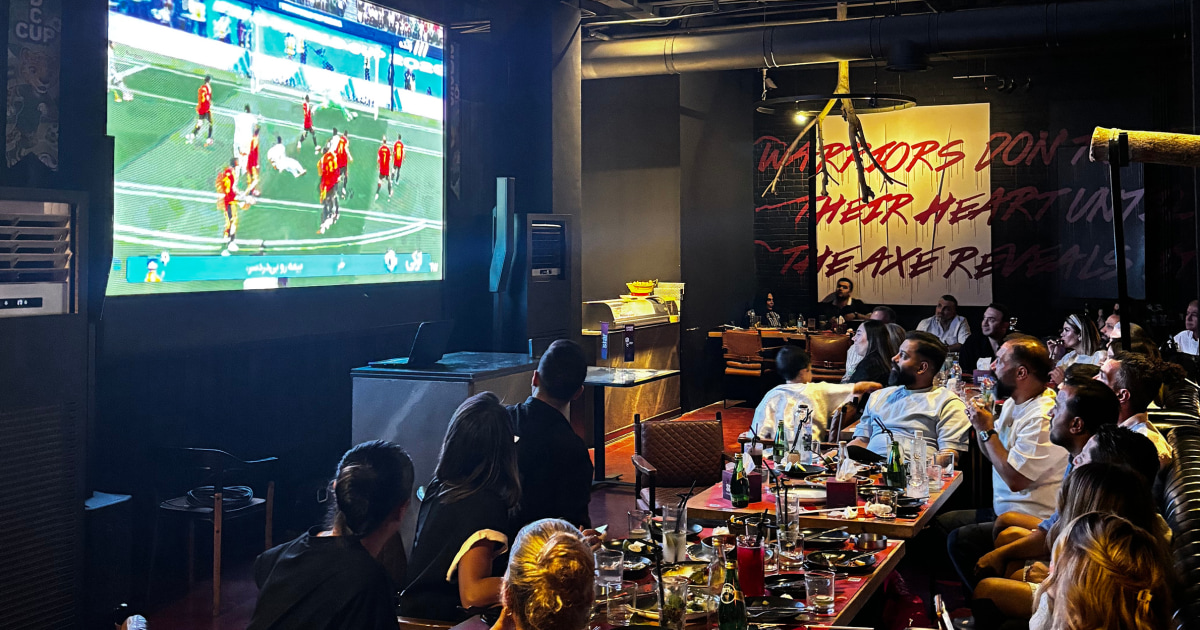
“People are watching matches in crowded cafes and streets, sharing meals and cheering together,” said Fatemeh Mohammadi, a Tehran-based journalist. “It’s a rare moment of collective joy in a country where daily life is often marked by hardship.” However, this relief is temporary. Analysts warn that without a resolution to the nuclear deal and sanctions relief, Iran’s economic struggles will persist long after the World Cup ends.
The government has also sought to capitalize on the team’s success, with state media highlighting the players’ achievements as proof of national strength. Yet, there is a fine line between leveraging sports for morale and risking backlash if the team underperforms. “The regime cannot afford another disappointment,” said Dr. Afshari. “Football is a double-edged sword—it can inspire, but it can also expose failures if expectations aren’t met.”
What happens next for Iran’s team and the nation?
As Iran’s World Cup campaign continues, the team’s next matches will be closely watched, both for their sporting significance and their potential political implications. If the team advances further, it could provide a much-needed boost to national morale. However, if they falter, the backlash could be severe, particularly in a country where sports are deeply intertwined with national identity.
Meanwhile, the stalled U.S. peace talks and ongoing sanctions pose long-term challenges. Without a breakthrough, Iran’s economic recovery will remain elusive, and the World Cup’s temporary unity could fade. Yet, for now, the team’s success offers a glimpse of hope—a reminder that even in the face of adversity, Iranians can find common ground.
For fans, players, and analysts alike, the story of Iran’s World Cup is more than just a sporting narrative. It is a reflection of a nation at a crossroads, where football has become both a distraction and a symbol of resilience in an uncertain world.
Key questions about Iran’s World Cup and its broader impact
How has Iran’s World Cup success affected public morale?
According to surveys conducted by local media, 78% of Iranians reported feeling more optimistic about the future after the team’s victories, with many citing football as a unifying force in a divided society. However, this optimism is tempered by the reality of economic hardship, with 62% acknowledging that the World Cup’s impact will be short-lived without broader political and economic reforms.

What role does the government play in promoting the team’s success?
The Iranian government has used state media to highlight the team’s achievements, framing their success as a reflection of national strength. However, analysts note that the regime’s involvement is more subtle than in past decades, with players given greater autonomy to focus on performance rather than political messaging.
How do Iran’s players balance sports and politics?
Most players have adopted a neutral stance, avoiding political statements while still acknowledging the challenges their country faces. Captain Hajsafi has been vocal about the team’s mission to “deliver results without being drawn into political debates,” a position that has resonated with fans seeking a distraction from daily struggles.
What are the economic implications of the World Cup for Iran?
While the tournament has boosted morale, it has had limited direct economic impact. Ticket sales and merchandise have generated revenue, but the broader economy remains stagnant. Experts suggest that sustained economic growth will require a resolution to the nuclear dispute and sanctions relief, neither of which appears imminent.
Could the World Cup influence Iran’s diplomatic stance?
Some analysts speculate that the team’s success might embolden Iran to adopt a harder line in negotiations, using their sporting achievements as leverage. However, others argue that the government is unlikely to alter its diplomatic strategy, viewing the World Cup as a temporary tool for morale rather than a long-term political asset.
What does the future hold for Iran’s national team?
With the 2026 World Cup qualification cycle approaching, Iran’s team will face renewed pressure to maintain its success. If they can build on their current momentum, they could solidify their place as a regional powerhouse. However, without addressing the underlying economic and political challenges, even sporting triumphs may struggle to sustain long-term unity.
