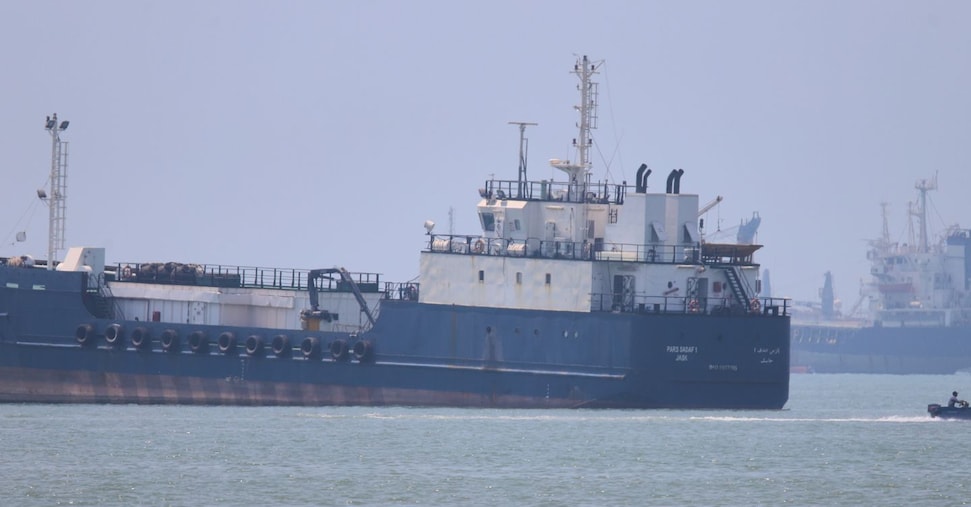
The U.S. and Iran have returned to a fragile diplomatic stalemate after Washington temporarily lifted sanctions on Tehran’s oil sector, allowing limited exports and production—but only for 60 days—while technical talks resume under the watch of the International Atomic Energy Agency (IAEA). The move, confirmed by Iranian officials and U.S. statements, marks the latest twist in a yearlong impasse over reviving the 2015 nuclear deal, now further complicated by domestic political shifts in both countries.
Why the 60-Day Sanctions Relief Matters
The U.S. decision to suspend penalties targeting Iran’s petroleum industry—including sanctions on crude oil exports and refining—comes as Tehran’s economy teeters on the brink of collapse under years of crippling restrictions. According to Iranian state media, the relief permits the country to resume sales to a limited number of buyers, though exact volumes remain undisclosed. The move also aligns with a broader U.S. strategy to test Iran’s willingness to engage in substantive nuclear negotiations, particularly after Tehran’s recent threats to expand uranium enrichment beyond deal limits.
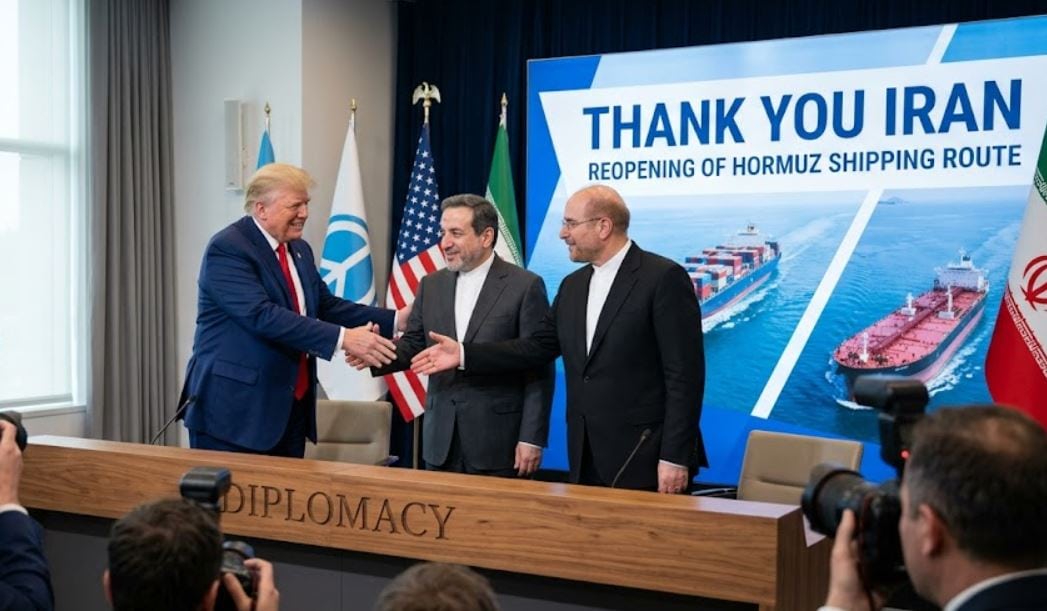
Yet the reprieve is conditional. The U.S. has tied the sanctions rollback to Iran’s cooperation with IAEA inspectors, who have struggled to verify Tehran’s nuclear activities amid repeated access denials. Iranian officials, including Foreign Minister Hossein Amir-Abdollahian, have signaled openness to resuming talks—but only if Washington first lifts broader sanctions, a demand the Biden administration has repeatedly rejected as a precondition.
How Tensions Escalated—and What’s Changed
The current impasse traces back to April 2021, when then-President Donald Trump unilaterally withdrew the U.S. from the Joint Comprehensive Plan of Action (JCPOA), reimposing sanctions that strangled Iran’s economy. Since then, Tehran has incrementally violated the deal’s terms, enriching uranium to near weapons-grade levels while restricting IAEA inspections. The latest U.S. move—announced without fanfare—contrasts sharply with past attempts at negotiation, which often collapsed over disputes like the structure of sanctions relief or the scope of Iran’s nuclear program.
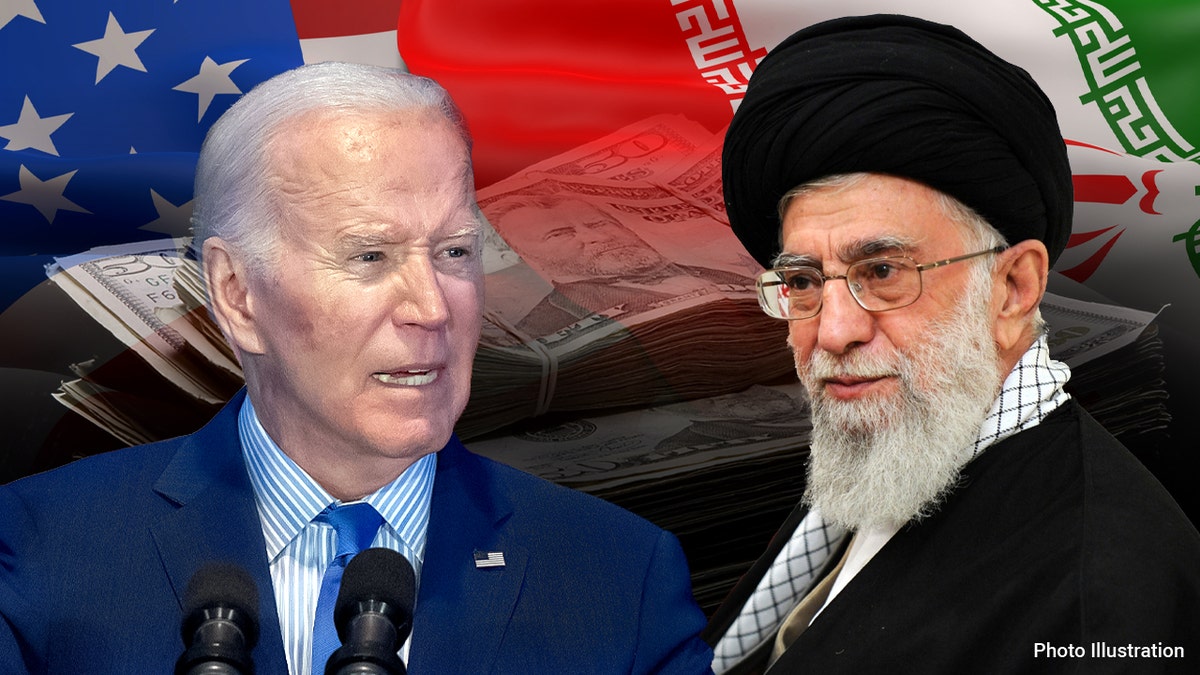
One key difference this time: the involvement of IAEA Director General Rafael Grossi. Grossi has mediated behind-the-scenes efforts to restore inspection access, a critical step for both sides. “Technical discussions are underway,” an IAEA spokesperson told reporters, though no timeline for a full return to compliance has been set. Meanwhile, U.S. officials have privately acknowledged frustration with Iran’s intransigence, particularly its refusal to address concerns over undeclared nuclear sites.
Regional and Global Reactions
The sanctions relief has drawn mixed responses. European allies, who have long pushed for JCPOA revival, welcomed the move as a potential step forward—but cautioned it was insufficient. “This is a small window of opportunity,” said a senior EU diplomat, noting that Tehran must now prove its commitment to negotiations beyond symbolic gestures.
In contrast, hardliners in both Iran and the U.S. have seized on the 60-day limit as evidence of weakness. Iranian President Ebrahim Raisi’s government faces domestic pressure to secure broader economic relief, while former President Trump has criticized the Biden administration’s approach, calling it “naïve” in a statement shared on social media. “Meloni and NATO leaders have failed to stand firm,” Trump wrote, referencing Italian Prime Minister Giorgia Meloni’s recent remarks on the need for a unified Western stance against Iran.
A video released by the Iranian Foreign Ministry shows Amir-Abdollahian addressing the UN General Assembly last month, where he reiterated Tehran’s demand for “full and immediate” sanctions relief as a prerequisite for further talks:
We have been patient, but our patience has limits. The ball is in Washington’s court.
Iranian Foreign Minister Hossein Amir-Abdollahian
What Happens Next: The 60-Day Clock
With the sanctions suspension set to expire in 60 days, the coming weeks will determine whether the current pause leads to broader progress. Iranian officials have indicated they will use the period to assess U.S. intentions, while Washington is expected to monitor Tehran’s compliance with IAEA requests. Failure to make headway could push both sides toward further escalation—either through expanded Iranian nuclear activity or renewed U.S. penalties.
One wildcard remains the political landscape. In the U.S., the November election looms, with Trump’s potential return to office likely to upend any diplomatic momentum. Meanwhile, Iran’s own leadership faces internal divisions, with hardliners resisting concessions that could undermine the regime’s anti-Western narrative. For now, the focus remains on the IAEA’s ability to regain access to key sites—a test of whether trust, once shattered, can be rebuilt.
Fast Facts
- Sanctions Relief Scope: U.S. lifts penalties on Iranian oil exports and refining for 60 days, but not broader financial or military restrictions.
- IAEA’s Role: Technical talks with Iran focus on restoring inspection access, a prerequisite for nuclear negotiations.
- Historical Context: The JCPOA collapsed in 2018 after Trump’s withdrawal; Iran has since violated key terms, enriching uranium to 60% purity.
- Domestic Pressures: Iran’s economy has shrunk by over 6% annually since 2018, while U.S. elections could derail any deal.
