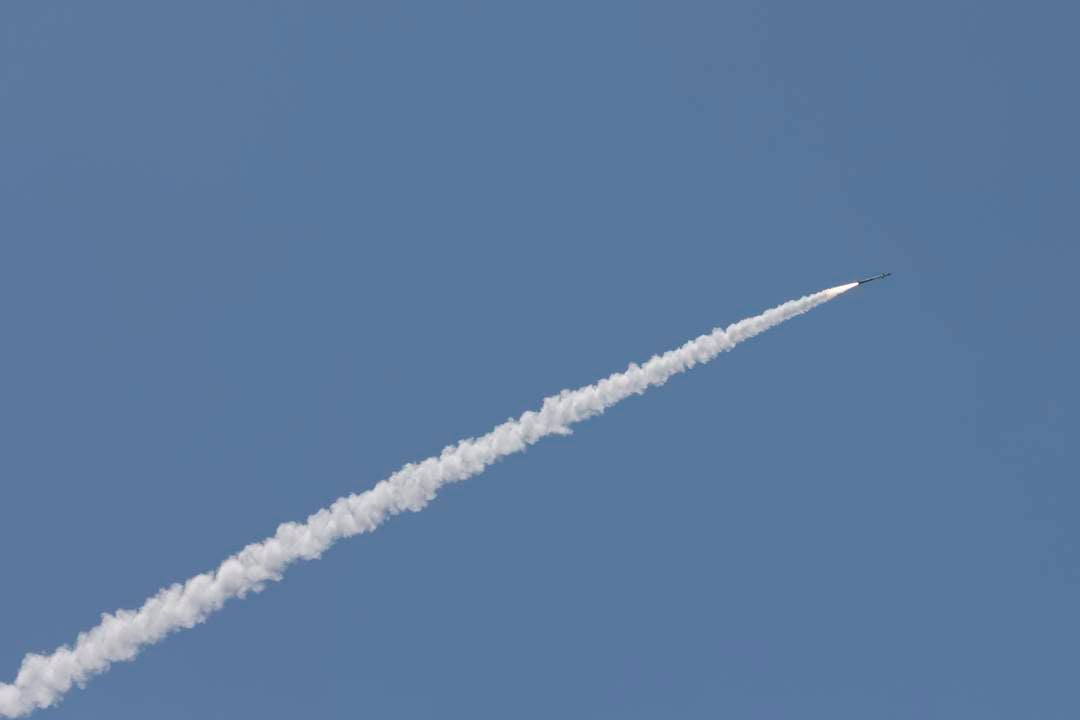
Iran Halts Israel Operation After First Post-Truce Clash – News24
Iran has suspended its military operations against Israel following the first violent clash to occur after a truce was established. This cessation comes amid a volatile geopolitical environment where Israel has reportedly struck Iran in defiance of calls for restraint from U.S. President Donald Trump, who has stated that Israeli Prime Minister Benjamin Netanyahu will have “no choice” but to accept a negotiated deal with Tehran.
What led to the halt of the Iranian operation?
The decision by Iran to halt its operation follows a direct military encounter—the first since the implementation of a truce. According to News24, this “post-truce clash” served as the catalyst for the current suspension of hostilities. While the specific tactical details of the clash remain limited, the timing suggests a fragile stability where both sides are testing the boundaries of the ceasefire agreement.
The halt is not necessarily a sign of permanent peace but rather a tactical pause. The broader context indicates that while operations have stopped for the moment, the underlying tensions remain high. This pause occurs as Tehran evaluates the efficacy of its current military posture and the potential for further escalation in a region already strained by multiple points of conflict.
Key elements of the current situation include:
- The Truce: A fragile agreement intended to prevent total war, which was interrupted by the recent clash.
- The Clash: The first significant military engagement following the ceasefire, triggering a re-evaluation of operations.
- The Suspension: Iran’s decision to stop its current operation, potentially to avoid a wider conflict or to pivot its strategy.
Iran’s ‘Strategic Doctrine’ and growing resilience
Despite the halt in operations, Iranian officials are framing their recent military activities as part of a broader evolution in their approach to conflict. According to Al Jazeera, Iran is hailing a “strategic doctrine” shift. This military shift was specifically highlighted following Tehran’s response to a raid in Beirut, signaling that Iran is no longer adhering to older, more passive patterns of deterrence.
This shift suggests that Iran is moving toward a more proactive or direct method of engagement. The BBC reports that recent Iranian strikes on Israel suggest that Tehran’s “sense of resilience” is growing. This perceived resilience is likely tied to Iran’s ability to project power and respond to Israeli actions, even under the threat of international sanctions or U.S. intervention.
“Iranian strike on Israel suggests Tehran’s sense of resilience is growing.” — BBC
The adoption of this new “strategic doctrine” implies several things about Iran’s current military thinking:
- Direct Response: A willingness to respond directly to strikes on its assets or allies, as seen in the response to the Beirut raid.
- Psychological Warfare: By demonstrating resilience, Iran aims to signal to Israel and the U.S. that military pressure will not lead to a collapse of its regional influence.
- Calculated Escalation: The ability to strike and then halt operations suggests a calculated approach to escalation, rather than an uncontrolled slide into war.
Israel’s defiance of U.S. calls for restraint
While Iran has halted its current operation, Israel has taken a more aggressive stance. According to eNCA, Israel has carried out strikes against Iran, an action that directly defied calls for restraint from U.S. President Donald Trump. This defiance highlights a growing friction between the strategic goals of the U.S. administration and the immediate security priorities of the Israeli government.
President Trump, who assumed office on January 20, 2025, has sought to manage the conflict through diplomacy and pressure. However, the Israeli government’s decision to strike Iran suggests a belief that military deterrence is the only reliable way to ensure national security, regardless of the preferences of their primary ally in Washington.
This dynamic creates a complex triangle of tension:
| Actor | Primary Action/Position | Stated Objective |
|---|---|---|
| Iran | Halted operations; implementing “strategic doctrine.” | Demonstrating resilience and regional deterrence. |
| Israel | Struck Iran; defied U.S. calls for restraint. | Neutralizing threats through direct military action. |
| United States | Calling for restraint; pushing for a deal. | Avoiding a wider regional war and securing a diplomatic agreement. |
The Trump Administration’s pressure on Netanyahu
The friction between the U.S. and Israel has reached a point of public assertion. The Financial Times reports that President Donald Trump has stated that Prime Minister Benjamin Netanyahu will have “no choice” but to accept whatever deal the United States negotiates with Iran.
This rhetoric represents a significant departure from unconditional support. By suggesting that Netanyahu has “no choice,” Trump is signaling that U.S. support may be contingent upon Israel’s willingness to accept a diplomatic resolution. This puts the Israeli leadership in a difficult position: balancing the need for U.S. military and diplomatic backing against a domestic and strategic drive to eliminate Iranian threats by force.
The U.S. strategy appears to be centered on a “top-down” negotiated settlement. If the Trump administration can broker a deal that satisfies key U.S. security concerns, it intends to compel its allies to adhere to that framework, even if those allies prefer a more aggressive military approach.
Why the “No Choice” rhetoric matters
This phrasing is not merely diplomatic posturing. It suggests a potential shift in the U.S.-Israel relationship where the U.S. may use its leverage—including military aid and diplomatic cover at the UN—to force a ceasefire or a long-term deal. For Netanyahu, this creates a conflict between his “strategic doctrine” of security and the political reality of U.S. dependency.

Analyzing the cycle of escalation and restraint
The current sequence of events—a truce, a clash, an Israeli strike, and an Iranian halt—illustrates a cycle of “calibrated escalation.” Neither side seems fully committed to a total war, yet neither is willing to concede their primary security interests.
Iran’s decision to halt its operation after the first post-truce clash could be interpreted in two ways. First, it may be a strategic move to appear as the “responsible actor” in the eyes of the international community, contrasting its restraint with Israel’s defiance of the U.S. Second, it may be a necessary pause to consolidate gains and refine the “strategic doctrine” mentioned by Al Jazeera.
Conversely, Israel’s decision to strike despite U.S. warnings suggests that the Israeli security establishment views the Iranian threat as an existential priority that outweighs the risk of diplomatic tension with the White House. This creates a dangerous vacuum where the U.S. is attempting to lead a diplomatic process that its closest regional ally is actively undermining through military action.
To understand the broader implications, it is helpful to look at the patterns of engagement:
- The Beirut Precedent: Iran’s response to the Beirut raid set the stage for its new military shift, moving away from proxy-only warfare to more direct signals of power.
- The Truce Fragility: The fact that a clash occurred so soon after a truce indicates that the agreement lacked the necessary enforcement mechanisms to prevent skirmishes.
- The Diplomatic Gap: The disconnect between Trump’s “deal-making” approach and Netanyahu’s “strike-first” approach creates a volatility that Iran may be exploiting to build its “sense of resilience.”
For more context on how these regional shifts impact global security, you may find a related explainer on Middle East deterrence strategies useful.
Common misconceptions about the current conflict
There is a frequent oversimplification that the current tension is a simple binary between “aggression” and “defense.” However, the sources indicate a more nuanced reality.
Misconception: The truce was a total failure.
While a clash occurred, the fact that Iran chose to halt its operation suggests the truce still provides a framework for de-escalation. It is not a total failure, but rather a “leaky” agreement that allows for limited engagement without triggering a full-scale war.
Misconception: Israel and the U.S. are in complete alignment.
The reports from eNCA and the Financial Times explicitly contradict this. There is a clear divide between Trump’s call for restraint and Israel’s decision to strike. The U.S. is pushing for a deal; Israel is pushing for military deterrence.
Misconception: Iran is retreating.
The halt of the operation is not necessarily a retreat. The BBC’s observation regarding Iran’s “growing resilience” and Al Jazeera’s mention of a new “strategic doctrine” suggest that Tehran is evolving its methods, not abandoning its goals.
Frequently Asked Questions
Why did Iran halt its operation against Israel?
According to News24, Iran suspended its operations following the first military clash that occurred after a truce was established. This suggests a tactical pause to avoid further escalation or a response to the current diplomatic climate.
What is the “strategic doctrine” Iran is referring to?
As reported by Al Jazeera, this is a shift in Iran’s military approach, highlighted by its response to a raid in Beirut. It represents a move toward more direct and resilient forms of engagement to deter its enemies.
How has the U.S. responded to the Israel-Iran tensions?
President Donald Trump has called for restraint and indicated that he is pursuing a negotiated deal. The Financial Times reports that Trump believes Prime Minister Netanyahu will have “no choice” but to accept the terms of a U.S.-negotiated deal with Iran.
Did Israel follow U.S. guidance regarding Iran?
No. According to eNCA, Israel struck Iran in direct defiance of President Trump’s calls for restraint, signaling a preference for military action over the U.S. administration’s diplomatic approach.
Is the truce between Iran and Israel still in effect?
The truce exists, but it is fragile. The “first post-truce clash” mentioned by News24 proves that the agreement has not stopped all military encounters, though it may be influencing the decision to halt larger operations.
The current state of affairs remains a high-stakes game of deterrence. With Iran refining its strategic doctrine and the U.S. applying pressure on Israel to accept a diplomatic settlement, the region sits at a crossroads. The balance between military defiance and diplomatic necessity will likely determine whether the current halt in operations leads to a lasting peace or serves as a prelude to further conflict.
