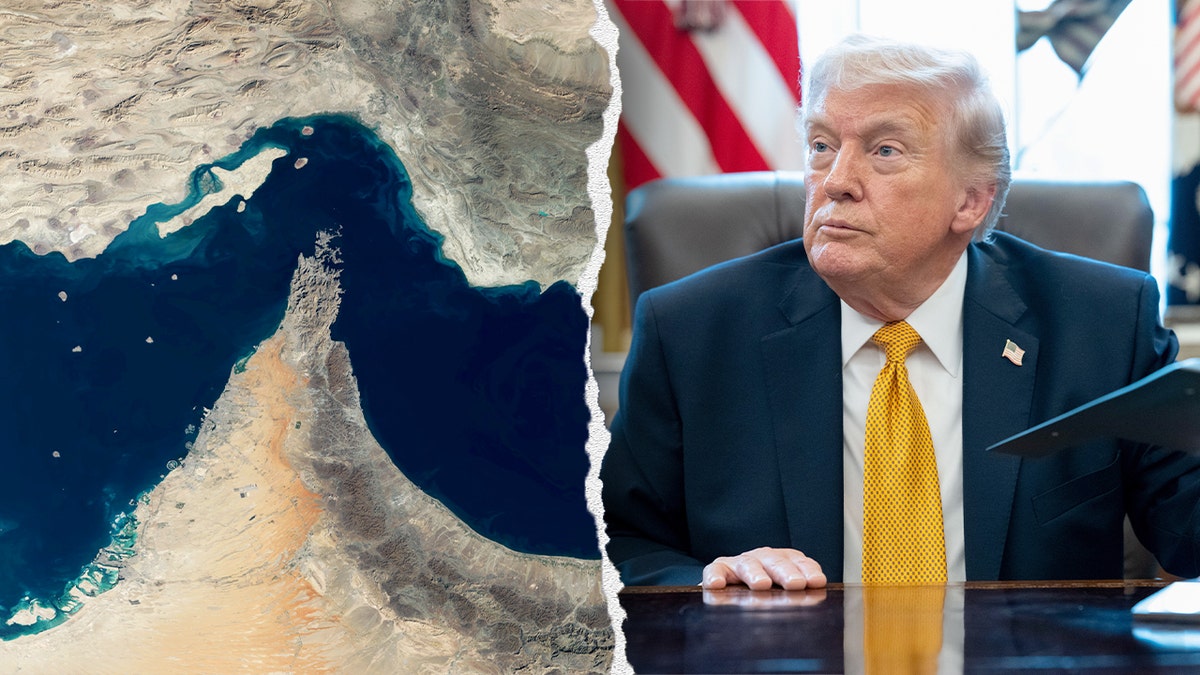
Exclusive: The U.S. is Using an Iranian Smuggling Tactic to Sneak Oil Out of the Gulf – Reuters
The United States government has allegedly employed clandestine shipping maneuvers, typically used by Iran to evade international sanctions, to transport oil out of the Persian Gulf, according to a Reuters report. This operation coincides with claims from the Trump administration that a peace deal with Iran is “all signed,” intended to ensure “toll-free” passage through the Strait of Hormuz, though reports from Al Jazeera and Safety4Sea indicate significant skepticism regarding the volume of oil moved and the stability of maritime traffic.
How the U.S. Employed Iranian Smuggling Tactics
According to reporting from Reuters, the U.S. utilized specific “smuggling tactics” to move oil out of the Gulf. These methods are traditionally the hallmark of the Iranian “ghost fleet,” which operates outside the view of international regulators to bypass sanctions. The primary tactic involves the manipulation of the Automatic Identification System (AIS), the tracking system that ships use to broadcast their position, speed, and identity to other vessels and coastal authorities.
By disabling AIS transponders—a practice known as “going dark”—vessels can hide their movements and destinations. Reuters indicates that the U.S. adopted these same maneuvers to sneak oil out of the region without alerting market competitors or triggering immediate diplomatic friction. This process often involves ship-to-ship (STS) transfers, where oil is moved from one tanker to another in open water, far from the oversight of port authorities.
Industry analysts note that these tactics create a “blind spot” in global oil tracking. When a ship disables its AIS, it effectively disappears from digital maps. When it later reappears, it may claim to have been in a different location or carrying a different grade of oil, thereby masking the origin of the cargo. The use of such methods by the U.S. represents a significant shift in operational transparency for a superpower that typically advocates for the strict enforcement of maritime laws and sanctions.
- AIS Spoofing: Manipulating GPS data to show a ship in a false location.
- Going Dark: Completely shutting off transponders to avoid satellite detection.
- STS Transfers: Transferring crude oil between tankers in international waters to obscure the source.
The Dispute Over 100 Million Barrels of Oil
A central point of contention in this operation is the actual volume of oil transported. Former President Trump claimed that the U.S. successfully moved 100 million barrels of oil out of the Strait of Hormuz. However, Al Jazeera has raised serious questions about the veracity of this figure, asking whether the U.S. truly managed to sneak such a massive quantity of oil through one of the world’s most monitored maritime chokepoints.
Moving 100 million barrels would require a massive fleet of Very Large Crude Carriers (VLCCs). A standard VLCC typically carries around 2 million barrels. To move 100 million barrels, the U.S. would have needed to coordinate approximately 50 full-capacity VLCC trips. Given the high visibility of these vessels, even with AIS disabled, Al Jazeera suggests that such a volume would be nearly impossible to hide from sophisticated satellite imagery and intelligence gathering by other regional powers.
The discrepancy between the administration’s claims and the logistical reality reported by Al Jazeera highlights a broader pattern of conflicting narratives. While the U.S. administration frames the operation as a strategic victory, critics and analysts suggest the numbers may be inflated for political leverage during negotiations with the G7 and Iran.
The US-Iran Peace Deal and the ‘Toll-Free’ Strait
The clandestine oil movements occur against the backdrop of a reported diplomatic breakthrough. According to The Guardian, Trump declared a US-Iran peace deal as “all signed,” even as G7 leaders worked to resolve remaining “loose ends” of the agreement. The primary objective of this deal, as reported by the BBC, is to ensure that the Strait of Hormuz remains “toll-free” and open to international shipping.
The Strait of Hormuz is the world’s most important oil transit chokepoint. Because it is the only sea route from the Persian Gulf to the open ocean, any disruption there can lead to immediate spikes in global energy prices. The “toll-free” insistence mentioned by the BBC suggests a desire to remove Iranian threats of closing the Strait or imposing restrictive conditions on transit, which have historically been used as geopolitical leverage by Tehran.
The Guardian reports that while the overarching deal is signed, the G7’s role remains critical in tying up the technical details. These details likely include the lifting of specific sanctions, the verification of nuclear limits, and the security guarantees for commercial shipping. The tension between the “all signed” declaration and the ongoing “battle to tie up loose ends” indicates a fragile diplomatic environment where public declarations may outpace actual implementation.
| Source | Key Claim/Finding | Status of Information |
|---|---|---|
| Reuters | U.S. used Iranian smuggling tactics (AIS disabling) | Exclusive Report |
| Trump/Admin | 100 million barrels of oil moved out of Hormuz | Official Claim |
| Al Jazeera | Questioned the feasibility of the 100M barrel figure | Analytical Critique |
| The Guardian | US-Iran peace deal is “all signed” | Official Declaration |
| BBC | Strait of Hormuz to be “toll-free” | Diplomatic Goal |
| Safety4Sea | Industry uncertainty persists despite resumed traffic | Industry Report |
Why the Strait of Hormuz Remains a Volatile Chokepoint
To understand why the U.S. would resort to smuggling tactics, one must consider the strategic vulnerability of the Strait of Hormuz. The strait is narrow, with shipping lanes only a few miles wide. According to Safety4Sea, while Trump has stated that traffic in the Strait has resumed, “industry uncertainty lingers.”
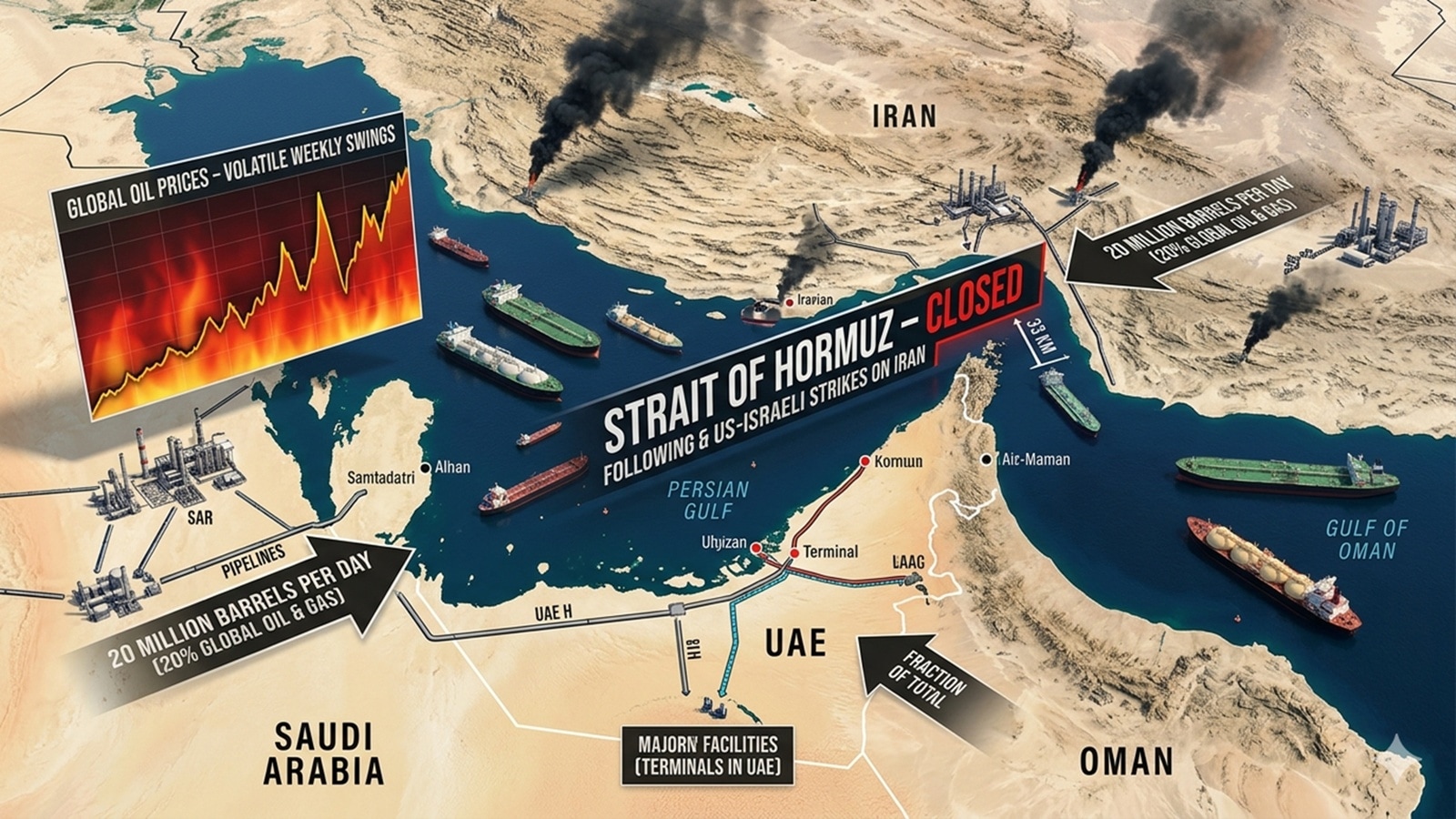
Shipping companies operate on thin margins and high risk. The threat of tanker seizures, mine warfare, or drone attacks makes insurance premiums skyrocket. When the U.S. moves oil clandestinely, it avoids the public scrutiny and potential military escalation that would accompany a visible, escorted convoy of tankers. By “sneaking” oil out, the U.S. may be attempting to stabilize its own reserves or influence market prices without providing Iran a pretext to disrupt the flow of oil.
The “toll-free” concept is not merely about money, but about sovereignty and access. If Iran were to successfully impose a “toll” or a permit system, it would effectively control the global oil supply. The U.S. strategy, as detailed by the BBC and Reuters, appears to be a dual-track approach: pursuing a formal peace deal while simultaneously using unconventional, covert methods to ensure oil continues to move regardless of the diplomatic outcome.
“The use of Iranian-style smuggling tactics by the U.S. highlights a paradoxical shift in global energy security, where the enforcer of sanctions adopts the methods of the sanctioned to maintain strategic flow.”
Comparing the Narratives: Official Claims vs. Industry Reality
There is a stark contrast in how this event is framed across different media outlets. The administration’s narrative is one of total success—a signed deal, a secured strait, and a massive volume of oil successfully moved. However, the reporting from Reuters and Al Jazeera paints a picture of desperation and deception.
Reuters focuses on the method, suggesting that the U.S. felt it necessary to hide its actions. Al Jazeera focuses on the math, suggesting the 100 million barrel figure is a fabrication. Safety4Sea focuses on the market, noting that the shipping industry does not feel the stability that the political declarations suggest.
This gap indicates that the “peace deal” may be more of a political framework than a functional reality. The G7’s struggle to “tie up loose ends,” as reported by The Guardian, suggests that the technicalities of oil transit and sanctions are far more complex than a signed piece of paper. The use of “ghost fleet” tactics suggests that the U.S. does not yet trust the “toll-free” guarantee enough to move its assets openly.
The Risks of Adopting Smuggling Tactics
By utilizing Iranian smuggling methods, the U.S. risks undermining its own legal arguments in international courts. For years, the U.S. has pressured the International Maritime Organization (IMO) to crack down on AIS spoofing and “dark” shipping. If the U.S. is proven to have used these same tactics, it loses the moral and legal authority to penalize other nations for similar behavior.
Furthermore, the use of STS transfers in the Gulf increases the risk of environmental disasters. These transfers are often conducted in suboptimal conditions without the safety oversight found in regulated ports. A spill resulting from a “clandestine” transfer would be a diplomatic and ecological nightmare, especially if the U.S. had intentionally hidden the vessel’s presence.
For more on how maritime law governs these waters, see a related explainer on international shipping corridors.
Market Implications of Covert Oil Movements
The oil market relies on transparency. Price discovery is based on known supply and demand. When a major power like the U.S. moves oil secretly, it introduces “hidden supply” into the market. This can lead to artificial price suppression or sudden volatility when the secret shipments are finally revealed.
According to the data points provided by Safety4Sea, the lingering uncertainty in the industry is a direct result of this lack of transparency. Shipping firms cannot accurately price their risk if they do not know which vessels are operating under government cover or which shipments are being moved via “dark” channels. This uncertainty keeps insurance rates high and discourages long-term investment in Gulf-based logistics.
The U.S. move may be a short-term tactical win to secure oil volumes, but it creates a long-term precedent where the “rules of the road” in the Strait of Hormuz are replaced by a system of covert maneuvers and deniable operations. This shift moves the region away from a rules-based order toward a “shadow economy” of energy transit.
Frequently Asked Questions
What are the “Iranian smuggling tactics” mentioned by Reuters?
These tactics primarily include disabling the Automatic Identification System (AIS) to hide a ship’s location (“going dark”), AIS spoofing to broadcast false coordinates, and conducting ship-to-ship (STS) transfers of oil in international waters to hide the origin and destination of the cargo.
Did the U.S. actually move 100 million barrels of oil?
While the Trump administration claims 100 million barrels were moved, Al Jazeera has questioned this figure, noting that the number of tankers required for such a volume would make the operation nearly impossible to hide from satellite surveillance.

What does “toll-free” mean in the context of the Strait of Hormuz?
As reported by the BBC, “toll-free” refers to the goal of ensuring that the Strait of Hormuz remains open to all international shipping without Iran imposing restrictive permits, fees, or threats of closure to exert political leverage.
Is the US-Iran peace deal fully implemented?
According to The Guardian, while Trump declared the deal “all signed,” G7 leaders are still working to resolve “loose ends,” indicating that the agreement is not yet fully operational in all technical and diplomatic aspects.
Why is the shipping industry still uncertain if traffic has resumed?
Safety4Sea reports that industry uncertainty persists because of the ongoing volatility in the region, the use of clandestine shipping methods, and the lack of clear, transparent security guarantees for commercial tankers.
The intersection of covert maritime operations and high-stakes diplomacy in the Persian Gulf continues to evolve. As the G7 works to finalize the terms of the US-Iran agreement, the global community remains focused on whether the “toll-free” promise will hold or if the region will remain a theater for “ghost fleet” operations and strategic deception.
