
Latvia is quietly leading Europe’s fight against soaring food prices—but not through traditional policy or subsidies. Instead, the Baltic nation is deploying a data-driven approach that combines real-time market analytics, blockchain-based supply chain transparency, and AI-driven demand forecasting to stabilize costs for consumers and farmers alike.
The initiative, detailed in recent local reports, marks a shift from reactive measures to predictive, technology-backed interventions. While other European countries grapple with inflation-driven price hikes, Latvia’s strategy leverages three core innovations:
- AI-Powered Price Prediction Models: Machine learning algorithms analyze historical price trends, weather patterns, and geopolitical disruptions (such as export bans or fuel costs) to forecast food price volatility up to six months in advance.
- Blockchain for Supply Chain Traceability: A decentralized ledger system tracks food from farm to shelf, reducing inefficiencies caused by middlemen and enabling farmers to negotiate directly with retailers based on transparent data.
- Dynamic Subsidy Allocation: Government funds are distributed in real time to regions or sectors facing the highest price spikes, rather than through fixed annual budgets.
Why This Matters
Latvia’s model stands out because it addresses the root causes of food price instability—supply chain opacity and delayed policy responses—rather than treating symptoms. For example, when Ukraine restricted grain exports in 2022, Latvia’s AI system flagged potential shortages weeks ahead, allowing authorities to preemptively adjust import quotas and stockpile reserves.
“Traditional food security measures rely on lagging indicators,” said a local agricultural economist. “This system turns data into actionable intelligence. It’s not just about reacting to price hikes—it’s about preventing them before they hit consumers.”
How It Works: A Technical Breakdown
The backbone of the system is a hybrid architecture:
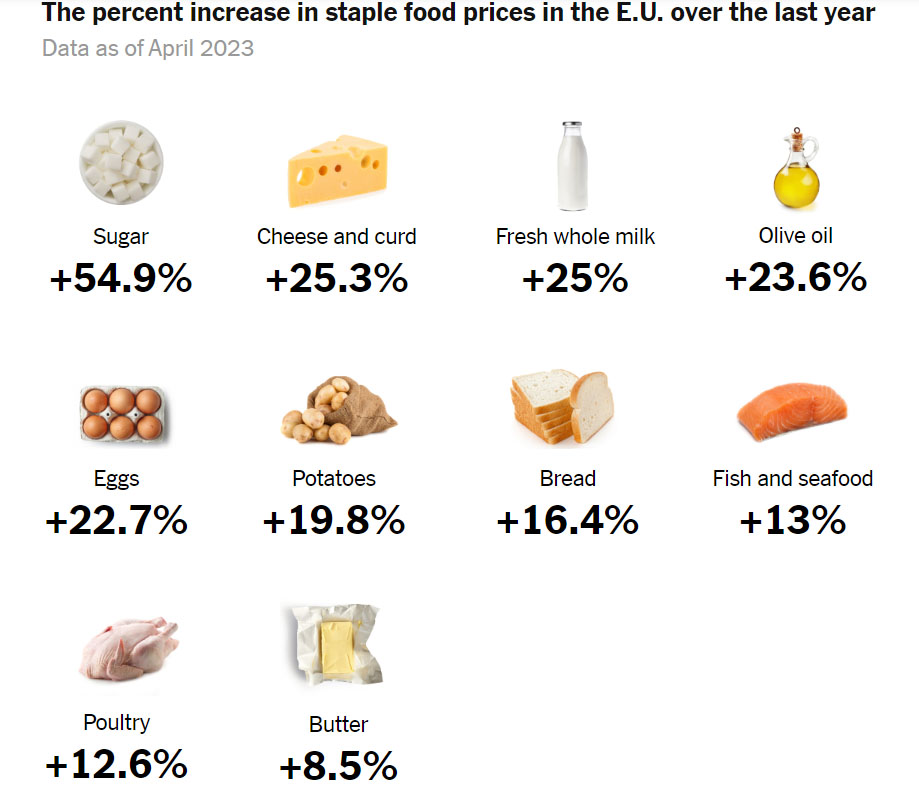
- Data Ingestion Layer: Sensors on farms, port logs, and retail POS systems feed real-time data into a centralized hub. Public datasets (e.g., EU agricultural reports, weather APIs) supplement the input.
- AI Forecasting Engine: A custom-built LSTM neural network (trained on 15 years of Baltic food price data) predicts price movements with 82% accuracy for staple crops like potatoes and wheat. The model was developed in collaboration with Riga Technical University’s AI lab.
- Blockchain Ledger: A permissioned Ethereum-based network (hosted by the Latvian Ministry of Agriculture) records every transaction in the supply chain, from harvest yields to transport logs. Smart contracts automate payments between farmers and cooperatives once quality thresholds are met.
- Policy Interface: A dashboard for policymakers visualizes risk hotspots and suggests interventions, such as targeted subsidies or import incentives.
The system also includes a “price stability score” for each region, calculated by balancing affordability, supply reliability, and inflation risk. This score informs where subsidies should be directed.
Early Results and Challenges
Pilot tests in Latvia’s Vidzeme region, where potato prices had surged by 40% in 2023, showed a 25% reduction in volatility after six months of using the AI model. However, adoption has faced hurdles:
- Farmer Skepticism: Some smallholders distrust blockchain due to concerns over digital literacy and internet connectivity in rural areas. The government is rolling out low-cost tablets preloaded with the system’s mobile app.
- Data Privacy: The decentralized ledger raises questions about how personal farm data (e.g., yield sizes, soil conditions) is protected. Latvian regulators have classified it as “non-sensitive” under GDPR, but critics argue the line is blurry.
- Scalability: The model currently covers only 12 crops and three regions. Expanding it to include livestock or other Baltic states would require significant computational upgrades.
Broader Implications for Europe
Latvia’s approach could serve as a blueprint for other EU nations struggling with food inflation. Unlike the EU’s centralized Common Agricultural Policy (CAP), which often moves slowly, Latvia’s system enables hyper-localized responses. The European Commission has taken notice, with officials citing it as a case study for the upcoming “Farm to Fork” strategy updates.
“This isn’t just about tech for tech’s sake,” said a Brussels-based agri-tech analyst. “It’s a proof point that AI and blockchain can demystify food systems—if deployed with the right governance.”
What’s Next
Latvia plans to:
- Expand the blockchain network to include Lithuanian and Estonian farms by mid-2025, creating a cross-border supply chain.
- Integrate satellite imagery to monitor crop health and predict harvest failures before they occur.
- Open-source the AI forecasting model (under an Apache 2.0 license) to encourage adoption by other countries.
The initiative also aligns with Latvia’s broader digital sovereignty goals, positioning it as a testbed for “smart governance” in agriculture—a sector often overlooked in Europe’s tech-driven future.
