
Congo Warns of “Rapid” Community Spread of Ebola, 71 New Cases Confirmed
As the Democratic Republic of the Congo (DRC) grapples with a surge in Ebola cases, authorities have raised alarms about the virus spreading rapidly within communities. The latest figures, reported by international health agencies, indicate 71 new infections in recent days, underscoring the urgency of containment efforts. This development has reignited concerns about the potential for a broader regional outbreak, particularly in areas with limited healthcare infrastructure and ongoing political instability.
The Escalating Crisis
The DRC has a long history with Ebola, having faced multiple outbreaks since the 1970s. However, the current situation appears to be particularly challenging. Health officials have noted a significant increase in community transmission, a shift from earlier outbreaks that were largely contained within isolated clusters. This pattern suggests that the virus is spreading more efficiently, possibly due to factors such as population movement, insufficient vaccination coverage, and logistical hurdles in reaching remote areas.
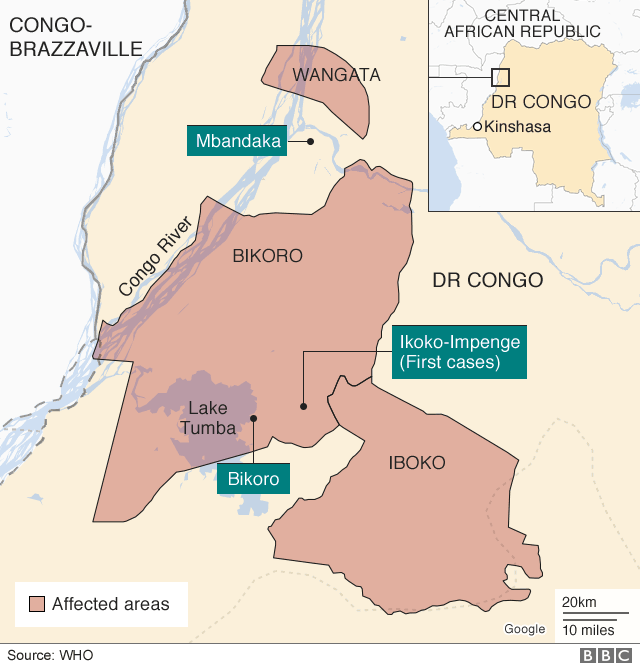
The World Health Organization (WHO) has emphasized that the rapid spread is a critical concern. “When Ebola moves beyond isolated cases into the community, it becomes significantly harder to control,” a WHO spokesperson stated. “This requires a coordinated response involving local health systems, international partners, and the affected populations themselves.”
Key Stakeholders and Response Efforts
Several key actors are involved in the current response to the outbreak. The DRC’s Ministry of Health, in collaboration with the Africa Centres for Disease Control and Prevention (Africa CDC), has deployed mobile clinics and vaccination teams to high-risk regions. International organizations, including the WHO and Médecins Sans Frontières (MSF), have also mobilized resources to support local
