How Wearable Technology Is Reshaping Sleep Analysis for Chronic Sleep Disorders
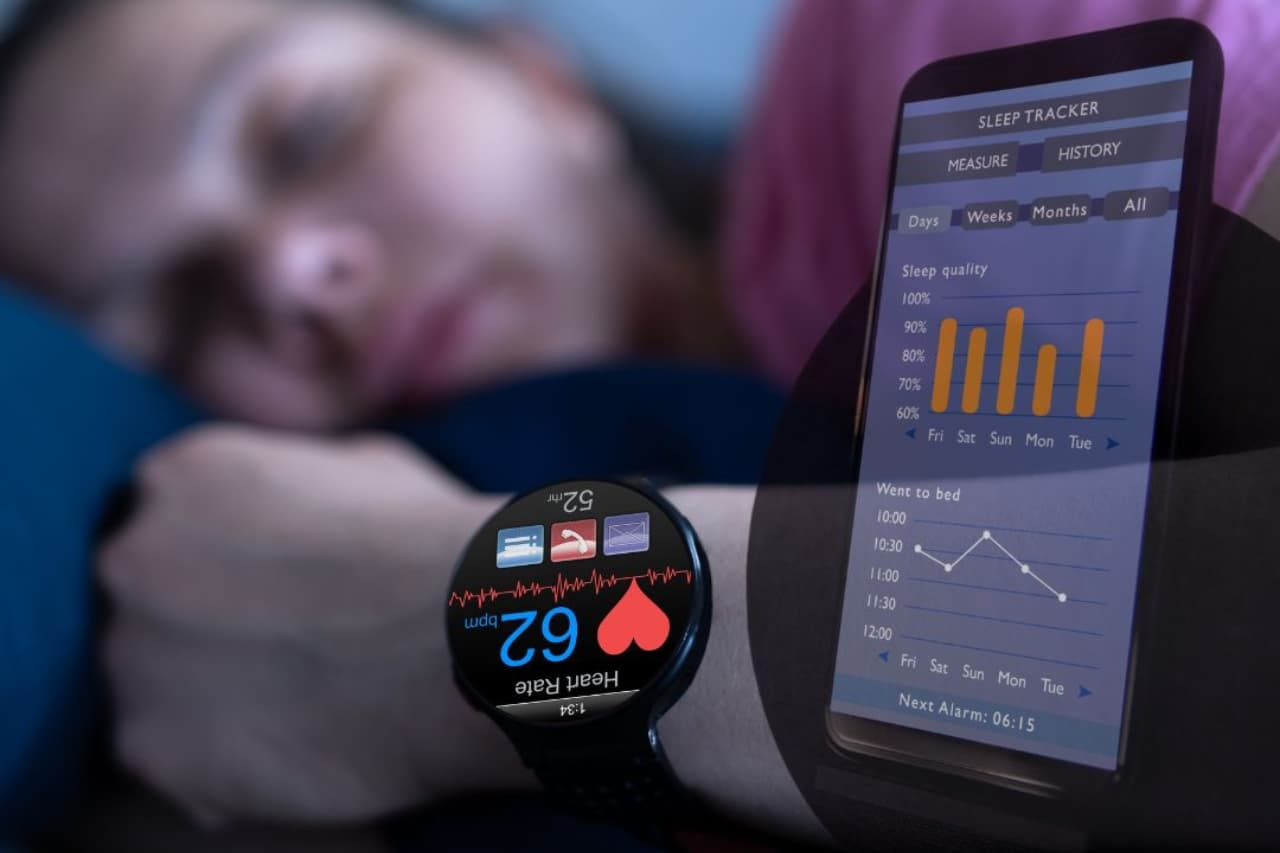
Wearable technology has emerged as a critical tool in monitoring and managing chronic sleep disorders, offering insights that were previously unattainable through traditional methods. According to Leanne Kaye, PhD, MPH, a researcher specializing in sleep science and public health, these devices are both a boon and a potential risk for patients. “Wearables provide continuous data that can reveal patterns in sleep quality, but their accuracy and interpretation require careful scrutiny,” Kaye explains. As the use of smartwatches and fitness trackers expands, their role in diagnosing and treating sleep conditions is becoming a focal point for medical professionals and patients alike.
The Rise of Wearables in Sleep Monitoring
The integration of wearable technology into healthcare has accelerated over the past decade, driven by advancements in sensor technology and data analytics. Devices such as smartwatches, fitness trackers, and specialized sleep monitors now claim to track heart rate, movement, and even blood oxygen levels during sleep. These tools are increasingly used by individuals with chronic sleep disorders, including insomnia, sleep apnea, and restless leg syndrome, to gain a better understanding of their condition.

According to a 2023 report by the National Sleep Foundation, over 40% of adults in the United States use some form of wearable device to monitor their health, with sleep tracking being a common feature. However, the effectiveness of these devices in clinical settings remains a topic of debate. “While wearables can offer valuable data, they are not a substitute for professional medical evaluation,” Kaye notes. “They should be viewed as a complementary tool rather than a diagnostic solution.”
Key Benefits of Wearable Sleep Tracking
One of the primary advantages of wearable technology is its ability to provide continuous, real-time data. Unlike traditional sleep studies, which require patients to spend a night in a lab, wearables allow for long-term monitoring in a natural environment. This can help identify irregularities in sleep patterns that might be missed during a single clinical visit.
For example, a study published in the *Journal of Clinical Sleep Medicine* found that wearable devices could detect sleep apnea episodes with an accuracy rate of 85% when compared to polysomnography, the gold standard for sleep analysis. “This level of accuracy is promising, but it’s important to recognize that wearables may not capture all aspects of sleep disorders,” Kaye says. “Factors such as device placement, user compliance, and algorithmic limitations can affect results.”
Another benefit is the potential for early intervention. By tracking sleep quality over time, individuals and their healthcare providers can spot trends that may indicate worsening conditions. For instance, a sudden increase in nighttime awakenings or a decline in deep sleep stages could signal the need for lifestyle adjustments or medical treatment.
Potential Risks and Limitations
Despite their advantages, wearables are not without drawbacks. One major concern is the accuracy of the data they produce. Many devices rely on algorithms that may misinterpret movement as wakefulness or fail to detect subtle changes in sleep stages. This can lead to false positives or negatives, causing unnecessary anxiety or delaying proper care.
Kaye highlights another issue: “The sheer volume of data generated by wearables can be overwhelming for both patients and clinicians. Without proper interpretation, it’s easy to draw incorrect conclusions.” She emphasizes the importance of consulting healthcare professionals to contextualize the information provided by these devices.
Privacy is also a growing concern. Wearables collect sensitive health data, which could be vulnerable to breaches or misuse. “Patients need to be aware of how their data is stored, shared, and protected,” Kaye says. “Transparency from manufacturers is crucial to building trust.”
Chronic Sleep Disorders and the Role of Technology
Chronic sleep disorders affect an estimated 20% of the global population, according to the World Health Organization. Conditions such as obstructive sleep apnea, insomnia, and circadian rhythm disorders can have severe consequences, including increased risks of cardiovascular disease, depression, and cognitive decline. The integration of wearable technology into managing these conditions represents a significant shift in healthcare delivery.

Case Studies: Wearables in Action
Consider the case of a 45-year-old patient with a history of insomnia. After using a wearable device for six months, the individual and their doctor identified a pattern of fragmented sleep linked to irregular bedtime routines. With targeted interventions, including cognitive behavioral therapy for insomnia (CBT-I) and adjustments to screen time, the patient reported significant improvements in sleep quality.
Another example involves a 60-year-old man with suspected sleep apnea. His wearable device detected frequent pauses in breathing during the night, prompting a referral for a sleep study. The diagnosis led to the use of a continuous positive airway pressure (CPAP) machine, which dramatically reduced his symptoms and improved his overall health.
These cases illustrate the potential of wearables to empower patients and inform clinical decisions. However, they also underscore the need for collaboration between users and healthcare providers to ensure accurate interpretation of data.
The Challenge of Interpreting Data
One of the biggest challenges in using wearables for sleep analysis is the interpretation of data. For instance, a device may flag “poor sleep quality” based on low movement during the night, but this could be due to factors such as a comfortable mattress or a quiet environment rather than a medical issue. “It’s essential to differentiate between physiological sleep disturbances and environmental influences,” Kaye explains.
Moreover, the algorithms used by wearables are often proprietary, making it difficult for users to understand how their data is being processed. This lack of transparency can lead to confusion and mistrust. “Patients should be encouraged to ask questions about how their devices work and what the data means,” Kaye
