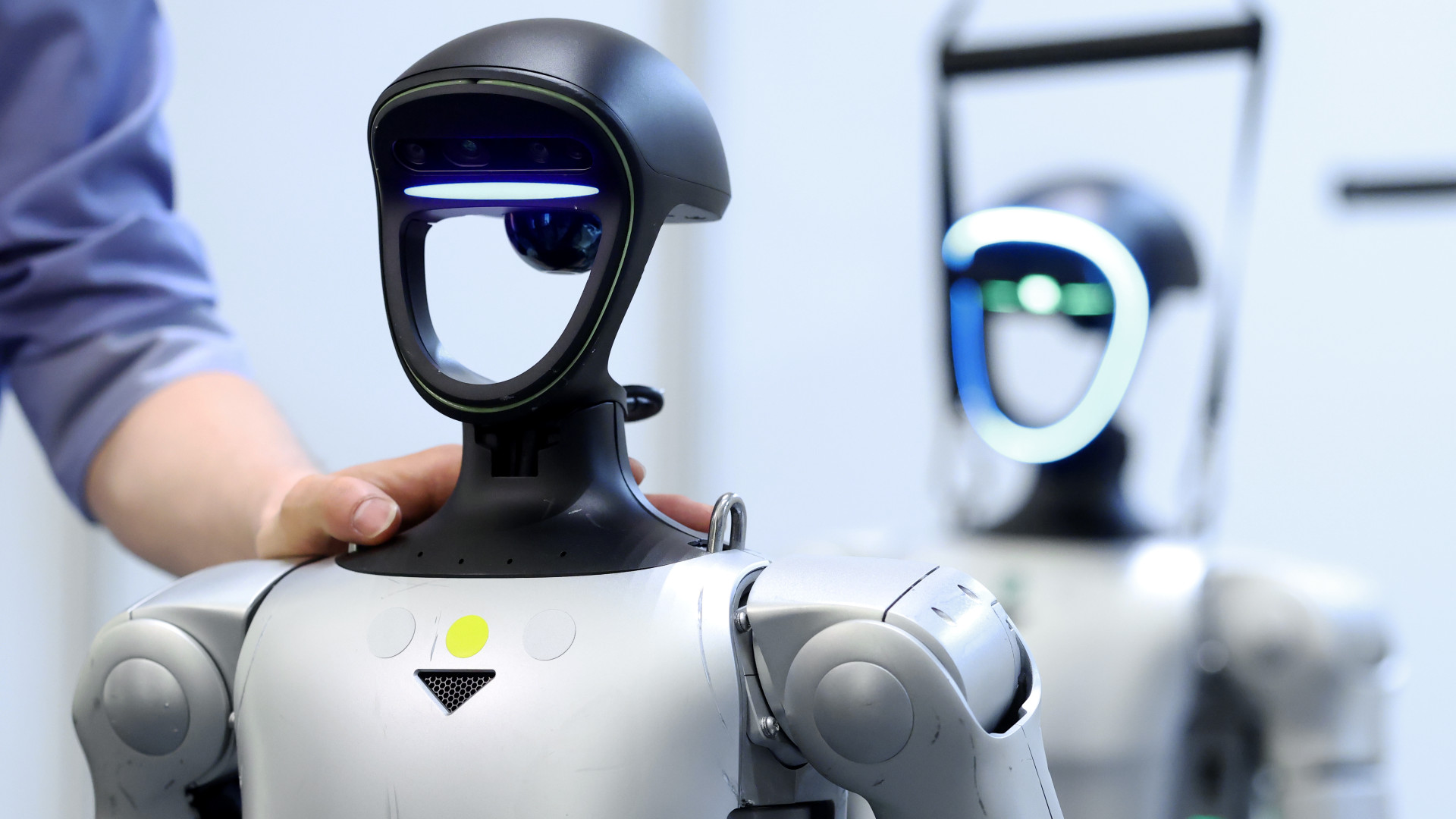
Humanoid robotics is shifting from the realm of experimental science fiction to a viable industrial sector, signaling a potential economic surge as global manufacturers move toward mass production.
- The robotics industry is transitioning from prototype development to large-scale manufacturing.
- Bosch is actively investing in the sector by constructing dedicated production lines for humanoid robots.
- Analysts view the commercialization of humanoid robots as a primary driver for significant new wealth creation in the tech and manufacturing markets.
Industrializing the Humanoid Form
The transition toward the mass production of humanoid robots marks a critical pivot in the automation industry. While robotics has long been integrated into factory settings through stationary arms and specialized machinery, the move toward versatile, human-shaped machines suggests a broader application across various economic sectors. According to industry reports, the technology has reached a threshold where commercial scalability is now a realistic objective rather than a theoretical goal.
Bosch Invests in Production Infrastructure
A significant move in this direction comes from Bosch, which is establishing its own production lines specifically designed for humanoid robots. By focusing on the manufacturing infrastructure, the company is positioning itself not just as a developer of robotics technology, but as a primary producer capable of delivering these units at scale.
This investment in production capacity indicates a shift in corporate strategy, moving beyond research and development into the operational phase of the product lifecycle. The creation of dedicated assembly lines is a prerequisite for reducing unit costs and making humanoid robots accessible for wider industrial use.
Economic Implications and Market Potential
The emergence of a mass-market humanoid robotics industry is being framed as a potential “economic explosion.” The financial implications extend beyond the companies building the robots to include the entire supply chain, from specialized sensors and actuators to the software powering autonomous movement.
Market observers suggest that the first companies to successfully scale the production and deployment of these robots stand to capture immense value. The ability to integrate human-like labor into environments previously unsuitable for traditional automation could disrupt multiple labor markets and create new categories of industrial efficiency, leading to substantial capital gains for early leaders in the space.
