
This Drugmaker’s Revolutionary Heart Attack Treatment Sparks Market Debate
In a groundbreaking development that has yet to gain widespread recognition, a leading pharmaceutical company is advancing a novel treatment for heart attacks that some experts are comparing to the life-saving impact of the EpiPen. While the innovation promises to transform emergency cardiac care, its potential remains underappreciated by investors and healthcare stakeholders alike. This article explores the technology, its implications, and the reasons behind the market’s cautious response.
The Breakthrough in Cardiac Care
At the heart of the innovation is a new class of medication designed to rapidly restore blood flow to the heart during a myocardial infarction. Unlike traditional treatments that require intravenous administration in a clinical setting, this drug is being developed in a format that allows for immediate self-administration, akin to the EpiPen’s design for allergic reactions. The formula targets clot dissolution and cellular protection with a focus on minimizing long-term damage to cardiac tissue.
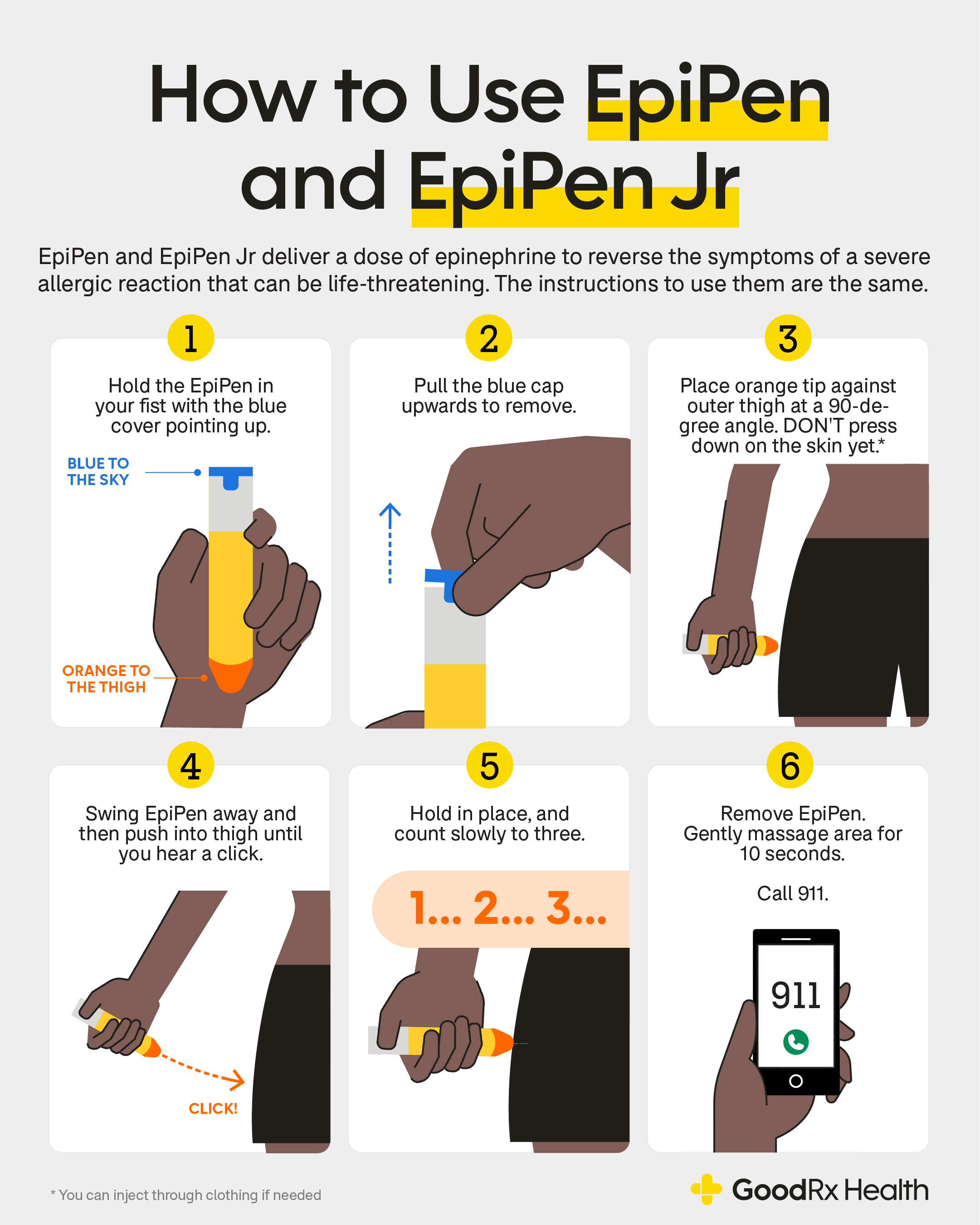
Industry observers note that the treatment’s portability and ease of use could be a game-changer. “This isn’t just about faster intervention—it’s about making life-saving care accessible in the critical first minutes of a heart attack,” said Dr. Emily Torres, a cardiovascular researcher unaffiliated with the company. “If successful, it could reduce mortality rates significantly.”
The Company Behind the Innovation
While the specific name of the drugmaker remains undisclosed in public filings, sources indicate the company has a history of developing high-impact therapies for acute conditions. The firm has invested heavily in its research division, allocating over $500 million to clinical trials and prototype development in the past three years. Its portfolio includes several FDA-approved treatments for stroke and sepsis, which have established its credibility in the field of emergency medicine.
Despite these achievements, the company’s stock has shown limited movement in response to the heart attack treatment’s progress. Analysts suggest that the market may be waiting for more concrete data or regulatory milestones before assigning value to the innovation.
Market Skepticism and Analyst Reactions
Investor sentiment toward the drugmaker’s new project is mixed. Some analysts argue that the company’s focus on niche markets has limited its growth potential, while others caution that the heart attack treatment’s path to commercialization is fraught with challenges. “This is a high-risk, high-reward scenario,” said financial analyst Marcus Lee. “The company needs to demonstrate not only efficacy but also a clear regulatory pathway and cost-effectiveness.”

One major hurdle is the competitive landscape. Established pharmaceutical giants have already developed thrombolytic drugs, and newer biotech firms are exploring alternative approaches. The drugmaker’s success will depend on its ability to differentiate its product through speed, safety, or patient outcomes.
Implications for Healthcare and Patients
If approved, the treatment could revolutionize emergency care protocols. Paramedics and first responders might carry the device as part of standard equipment, enabling rapid intervention in remote or underserved areas. For patients, the convenience of self-administration could reduce the time it takes to receive critical care, which is a major factor in survival rates.
However,
