
How a $100 Million Underground Library in Tasmania Is Redefining What a Museum Can Be
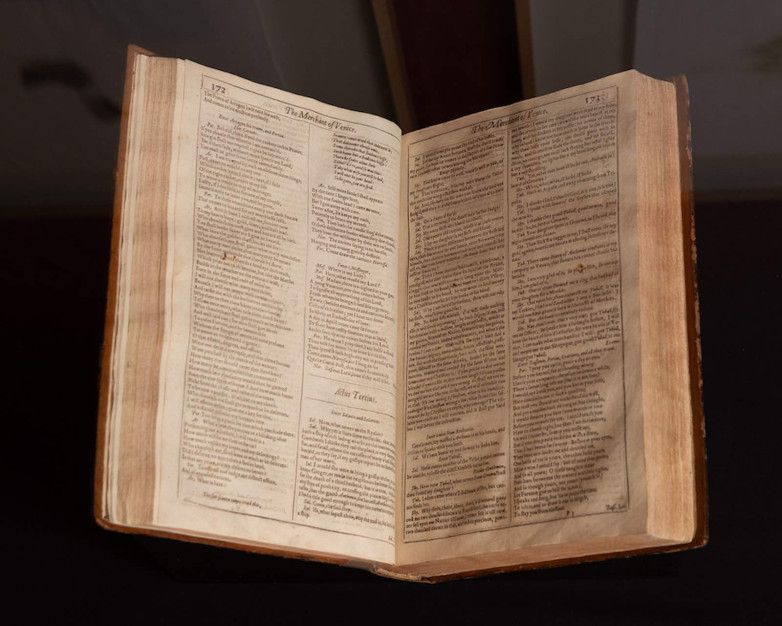
Hobart, Australia — Beneath the rolling hills of Tasmania’s Huon Valley, a project once dismissed as impossible is now reshaping how the world engages with art, literature, and history. The Museum of Old and New Art (MONA), already famous for its boundary-pushing exhibitions, has unveiled a $100 million underground library housing 30,000 rare books—including a Shakespeare First Folio, David Bowie’s handwritten lyrics, and a Gutenberg Bible. The facility, described by its creators as “the world’s most unconventional library,” challenges traditional notions of preservation, access, and even what constitutes a cultural institution.
Unlike conventional libraries, MONA’s new wing—dubbed the Library of Lost and Found—blurs the line between museum, archive, and interactive experience. Visitors can handle centuries-old manuscripts, listen to audio recordings of authors reading their own work, and even contribute to a living digital archive. The project, years in the making, reflects the vision of its founder, billionaire David Walsh, who has spent decades collecting art and artifacts with a defiant disregard for conventional curation.
What makes this library unique isn’t just its contents—it’s the philosophy behind them. MONA’s approach rejects the silent, sterile image of a traditional library in favor of an immersive, even playful, encounter with knowledge. “We’re not building a tomb for books,” Walsh told reporters during a preview tour. “We’re building a place where stories come alive.” The result is a space that feels more like a laboratory for curiosity than a repository for dusty relics.
But the project has also sparked debate. Critics question whether such a high-profile, privately funded endeavor sets a precedent for public institutions struggling with funding. Meanwhile, cultural historians praise its potential to democratize access to rare materials. With plans to digitize portions of the collection and offer global online access, MONA’s library may redefine how we think about cultural heritage in the digital age.
What Is MONA’s $100 Million Library, and Why Does It Matter?
The Library of Lost and Found is the centerpiece of MONA’s latest expansion, a 10,000-square-meter underground complex carved into the hills near Hobart. The facility combines climate-controlled storage for fragile manuscripts with interactive exhibits designed to engage visitors of all ages. Key features include:
- 30,000 rare books, including first editions of Shakespeare, rare scientific texts, and personal collections from literary giants.
- Digital integration: Visitors can scan QR codes to hear authors read their own work, or explore 3D reconstructions of historical artifacts.
- No traditional “reading rooms”: Instead of silent study, the space encourages collaboration, with communal tables and multimedia stations.
- Climate-controlled vaults for items like the Gutenberg Bible and a 16th-century map of Tasmania, ensuring long-term preservation.
According to MONA’s director of collections, Dr. Lisa Hill, the library was designed to address a fundamental question: “How do we make rare materials feel relevant to people who might never visit a museum?” The answer lies in its dual role as both a high-security archive and a dynamic public space.
Why it matters: Traditional libraries and museums often struggle with declining foot traffic and funding cuts. MONA’s model suggests that blending physical and digital experiences—while prioritizing visitor engagement over passive observation—could be a blueprint for the future. “This isn’t just about preserving books,” Hill said. “It’s about preserving the stories they tell.”
Yet the project also raises questions about accessibility. While MONA’s digital initiatives aim to reach global audiences, the physical library remains in Tasmania—a region with limited public transport links. Critics argue that such high-budget private ventures could divert resources from publicly funded cultural institutions.
Who Is Behind the Project, and What’s the Vision?
The library is the brainchild of David Walsh, an Australian billionaire who built his fortune in property and art collecting. Walsh founded MONA in 1998 with a mission to challenge conventional museum practices. His collections—ranging from ancient artifacts to contemporary provocations—have made MONA one of the world’s most visited art museums outside major cities.
Walsh’s approach to collecting is unconventional. Unlike traditional museums that acquire items for their historical significance alone, MONA prioritizes pieces that spark conversation. The library’s contents reflect this philosophy: alongside the Shakespeare First Folio and Bowie’s lyrics, it includes controversial texts, experimental literature, and even unpublished works by living authors.
Key figures in the project:
- David Walsh: Founder of MONA and primary funder of the library. Walsh has described the project as “a celebration of human creativity in all its forms.”
- Dr. Lisa Hill: Director of collections at MONA, overseeing the library’s curation and digital strategy.
- Architects from Hassell: Designed the underground facility to meet strict climate and security standards while creating an inviting public space.
- Digital partners, including Australian tech firms, are developing the interactive elements of the library.

Walsh’s vision extends beyond Tasmania. The library’s digital archive will be accessible worldwide, with plans to collaborate with universities and research institutions. “We want this to be a resource for scholars, students, and casual readers alike,” Walsh said. “The more people engage with these stories, the richer our collective understanding becomes.”
However, the project has not been without controversy. Some cultural heritage experts argue that private collections—no matter how well-funded—should not replace public institutions. “While MONA’s library is impressive, it’s important to ask: Who does it serve?” said Professor Sarah Thomas, a cultural historian at the University of Melbourne. “Private ventures like this can fill gaps, but they shouldn’t be seen as a substitute for publicly funded access.”
How Does MONA’s Library Compare to Other Major Collections?
MONA’s library stands out not just for its contents but for its hybrid model—part museum, part digital platform, part social space. To understand its significance, it’s worth comparing it to other high-profile collections:
| Collection | Location | Key Features | Access Model | Funding Source |
|---|---|---|---|---|
| British Library | London, UK | 14 million+ items, including Magna Carta and Leonardo da Vinci’s notebooks. Traditional reading rooms and digitization projects. | Public access (with restrictions for rare items). | Government-funded, with private donations. |
| New York Public Library | New York, USA | 53 million items, including Gutenberg Bibles and original manuscripts. Iconic reading rooms and public programs. | Free public access; some items require special permission. | Publicly funded, with endowments. |
| MONA’s Library of Lost and Found | Hobart, Australia | 30,000 rare books, interactive exhibits, and digital integration. Designed for engagement over passive viewing. | Public access (physical location) + global digital archive. | Privately funded by David Walsh. |
Key differences:
- Interactivity: Unlike the British Library or NYPL, MONA’s library encourages hands-on engagement—visitors can touch books, listen to audio recordings, and contribute to a collaborative digital archive.
- Digital focus: While major libraries digitize portions of their collections, MONA’s digital strategy is central to its mission, with plans to make rare materials accessible globally.
- Funding model: Public libraries rely on government support, whereas MONA’s library is entirely privately funded, raising questions about sustainability and equity.
- Philosophy: Traditional libraries prioritize preservation and research; MONA’s library prioritizes storytelling and public connection.
Some experts see MONA’s model as a potential template for smaller institutions struggling with funding. “In an era where public libraries face budget cuts, private-public partnerships like this could offer innovative solutions,” said Dr. James Bradley, a museum studies expert at the University of Queensland. “But the challenge will be ensuring that such initiatives don’t create a two-tier system—where the wealthy have access to rare materials, and the rest rely on what’s left.”
What Are the Challenges—and What’s Next for the Library?
Despite its ambition, MONA’s library faces several hurdles:
- Accessibility: Located in a remote region, the physical library may limit its reach. MONA is addressing this with digital initiatives, but critics argue that physical proximity still matters for certain audiences.
- Sustainability: As a privately funded project, the library’s long-term viability depends on Walsh’s continued support. Public institutions often rely on endowments or government funding, which MONA lacks.
- Curation challenges: Balancing rare, fragile items with interactive exhibits requires careful climate control and security. MONA’s team has invested heavily in technology to mitigate risks.
- Public perception: Some cultural commentators question whether a for-profit venture should handle public heritage. MONA counters that its model allows for experimentation that government-funded institutions might avoid.
Looking ahead, MONA plans to:
- Expand its digital archive, making more rare materials available online.
- Partner with schools and universities to develop educational programs around the collection.
- Explore collaborations with other museums to share resources and expertise.
- Continue acquiring unique items that push the boundaries of traditional collecting.
Walsh has hinted that the library is just the beginning. “This is about creating a new kind of cultural institution—one that’s not bound by old rules,” he said. “We’re proving that museums and libraries can be dynamic, living spaces, not just places where things are kept.”
If successful, MONA’s model could influence how other institutions approach preservation and public engagement. But whether it becomes a template for the future or remains a niche experiment depends on how it navigates its challenges in the years ahead.
Frequently Asked Questions About MONA’s New Library
Can the public visit the library, and is there an admission fee?
Yes, the library is open to the public as part of MONA’s general admission. Tickets start at AUD $35 for adults, with discounts for students and children. Digital access to portions of the collection will be available online, though some rare items may require special permission to view.
How does MONA ensure the safety of fragile items like the Gutenberg Bible?
The library uses advanced climate control systems to maintain stable temperature and humidity levels. Rare items are stored in high-security vaults with limited access. MONA’s team includes conservators who work closely with digital archivists to balance preservation with public access.
Will the library’s digital archive be free to access?
MONA has stated that its digital initiatives will include free access to portions of the collection, though some high-value items may require a subscription or special permission. The goal is to make rare materials accessible globally while generating revenue to sustain the project.
How does MONA’s library compare to the British Library or New York Public Library?
While major libraries like the British Library and NYPL focus on research and preservation, MONA’s library prioritizes engagement and storytelling. It combines high-security storage with interactive exhibits, making it more of a “living archive” than a traditional repository.
Is MONA’s library a threat to publicly funded cultural institutions?
Some cultural experts argue that private ventures like MONA’s library could divert resources from public institutions. However, MONA’s digital initiatives aim to complement—not replace—public access. The key question is whether such projects can coexist without creating unequal access to cultural heritage.
What’s the most unusual item in MONA’s library?
Among the library’s most intriguing items are David Bowie’s handwritten lyrics, a first-edition copy of Ulysses with annotations by James Joyce, and a 17th-century map of Tasmania that predates European settlement. MONA’s collections often include controversial or experimental works, reflecting its founder’s belief in challenging norms.
How can researchers or students access the collection?
Researchers can apply for access to rare items through MONA’s archives team. Digital resources will be available online, with some materials requiring institutional partnerships. MONA is also developing educational programs for schools and universities.
MONA’s Library of Lost and Found is more than a collection of rare books—it’s a bold experiment in how culture can be experienced. By merging high-tech preservation with immersive public engagement, the project forces a reckoning with what libraries and museums should be in the 21st century. Whether it becomes a blueprint for the future or a fascinating footnote depends on how well it balances innovation with inclusivity.
One thing is clear: in an era where traditional institutions struggle to adapt, MONA’s approach offers a radical alternative. And that, perhaps, is the most compelling story of all.
