Sunday a ‘once in a blue moon’ moment – The Citizen: Understanding the Rare Blue Micromoon
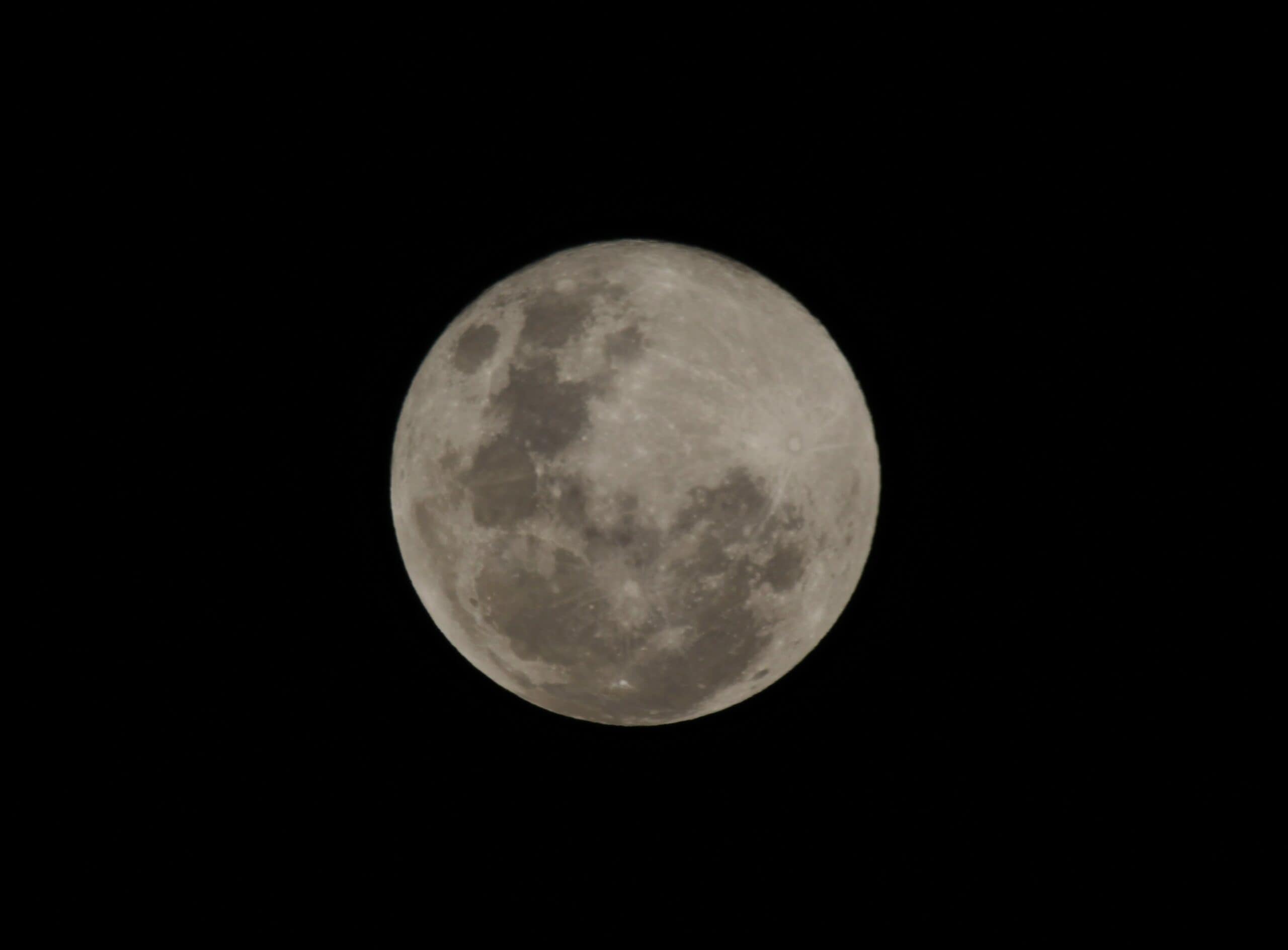
The night sky is preparing for a celestial rarity that blends orbital mechanics with calendar quirks. For those keeping a close watch on the lunar cycle, this coming Sunday represents a unique convergence of events—a phenomenon often described as Sunday a ‘once in a blue moon’ moment – The Citizen of the astronomical world. This isn’t just any full moon; It’s a “Blue Micromoon,” a double-rarity that occurs when the second full moon of a single calendar month coincides with the moon reaching its farthest point from Earth.
While the term “blue moon” often evokes images of a sapphire-colored orb in the sky, the reality is rooted in timing rather than pigment. When combined with the “micromoon” aspect—the lunar equivalent of a supermoon—the event becomes a fascinator for both professional astronomers and casual stargazers. Understanding why this happens, when to look up, and what makes this specific Sunday alignment so distinct requires a dive into the elliptical nature of our satellite’s journey around our planet.
What Exactly is a Blue Micromoon?
To comprehend the significance of this event, one must first decouple the two distinct astronomical terms at play: “Blue Moon” and “Micromoon.” These are not descriptions of the moon’s physical appearance, but rather markers of its position in time and space.
The Mystery of the Blue Moon
In modern parlance, a Blue Moon most commonly refers to the second full moon to occur within a single calendar month. Because the lunar cycle (the time from one full moon to the next) is approximately 29.5 days, and most calendar months are 30 or 31 days long, it is mathematically inevitable that every two to three years, a month will host two full moons. The first is the standard monthly moon, and the second is dubbed the “Blue Moon.”
There is also a “seasonal” definition of a Blue Moon, which is the third full moon in an astronomical season containing four full moons. However, for the event occurring this Sunday, the calendar definition is the primary driver. It is a quirk of the Gregorian calendar meeting the lunar orbit.
The Science of the Micromoon
While a “Supermoon” occurs when the moon is at its perigee (the point in its orbit closest to Earth), a Micromoon is the exact opposite. It happens when the full moon coincides with the moon’s apogee—the point in its elliptical orbit where it is farthest from Earth.
Because the moon’s orbit is not a perfect circle but an ellipse, its distance from Earth fluctuates. During a Micromoon, the satellite is several thousand miles further away than it is during a Supermoon. While the difference may seem negligible in the vastness of space, it results in a moon that appears slightly smaller and less bright to the naked eye.
“A Blue Micromoon is a poetic contradiction: it is a ‘double’ moon in terms of frequency, but a ‘diminished’ moon in terms of visual scale. It reminds us that the cosmos operates on cycles of expansion and contraction.”
Timing and Visibility: When to Watch
For those hoping to capture the essence of Sunday a ‘once in a blue moon’ moment – The Citizen of the sky, timing is everything. The peak of the full moon occurs at a specific moment, but the visual effect of the “fullness” is generally visible for a day or two surrounding that peak.
The best time to observe the Blue Micromoon is typically during moonrise on Sunday evening. This is when the “Moon Illusion” is most prominent—a psychological phenomenon where the moon appears significantly larger when it is near the horizon compared to when it is high in the sky. This illusion helps offset the “micro” nature of the moon, making for a stunning visual experience.
Viewing Checklist for the Weekend
- Location: Find a spot with a clear view of the eastern horizon to catch the moonrise.
- Lighting: Move away from heavy urban light pollution to appreciate the subtle contrast of the lunar surface.
- Equipment: While perfectly visible to the naked eye, a pair of standard binoculars (7×50 or 10×50) will reveal the craters and “seas” (maria) in greater detail.
- Weather Tracking: Check local cloud cover forecasts, as a clear sky is the only non-negotiable requirement.
| Feature | Supermoon | Micromoon |
|---|---|---|
| Orbital Point | Perigee (Closest) | Apogee (Farthest) |
| Visual Size | Appears up to 14% larger | Appears slightly smaller |
| Brightness | Up to 30% brighter | Slightly dimmer |
| Frequency | Occurs several times a year | Occurs several times a year |
The Orbital Mechanics: Why This Happens
To understand why we experience these fluctuations, we have to look at the physics of the Earth-Moon system. The moon does not orbit the Earth in a perfect circle; instead, it follows an elliptical path. This means the distance between the two bodies is constantly changing.
The Role of Apogee and Perigee
The distance from the center of the Earth to the center of the moon varies from approximately 363,300 kilometers (225,700 miles) at perigee to about 405,500 kilometers (251,900 miles) at apogee. That difference of over 42,000 kilometers is what creates the visual distinction between a Supermoon and a Micromoon.
When the moon reaches apogee during its full phase, we see the Micromoon. Because the moon is further away, it reflects slightly less sunlight toward Earth, and its angular diameter in the sky is smaller. While the human eye may struggle to notice the size difference without a side-by-side comparison, the data is clear: the moon is physically more distant from us during this Sunday event.
The Calendar Sync
The “Blue” part of the equation is a matter of synchronization. The lunar month is shorter than the calendar month. Over time, these “extra” days accumulate. Eventually, the lunar cycle “laps” the calendar, resulting in two full moons within one month. When this timing aligns perfectly with the moon’s arrival at apogee, we get the rare Blue Micromoon.
For more on how lunar cycles affect Earth, you might find a related explainer on tidal forces useful, as the distance of the moon directly impacts the strength of the tides in our oceans.
Common Misconceptions About Blue Moons
Whenever a “Blue Moon” is announced, several myths tend to resurface. It is important for the public to distinguish between astronomical terminology and atmospheric phenomena.
Will the Moon actually turn blue?
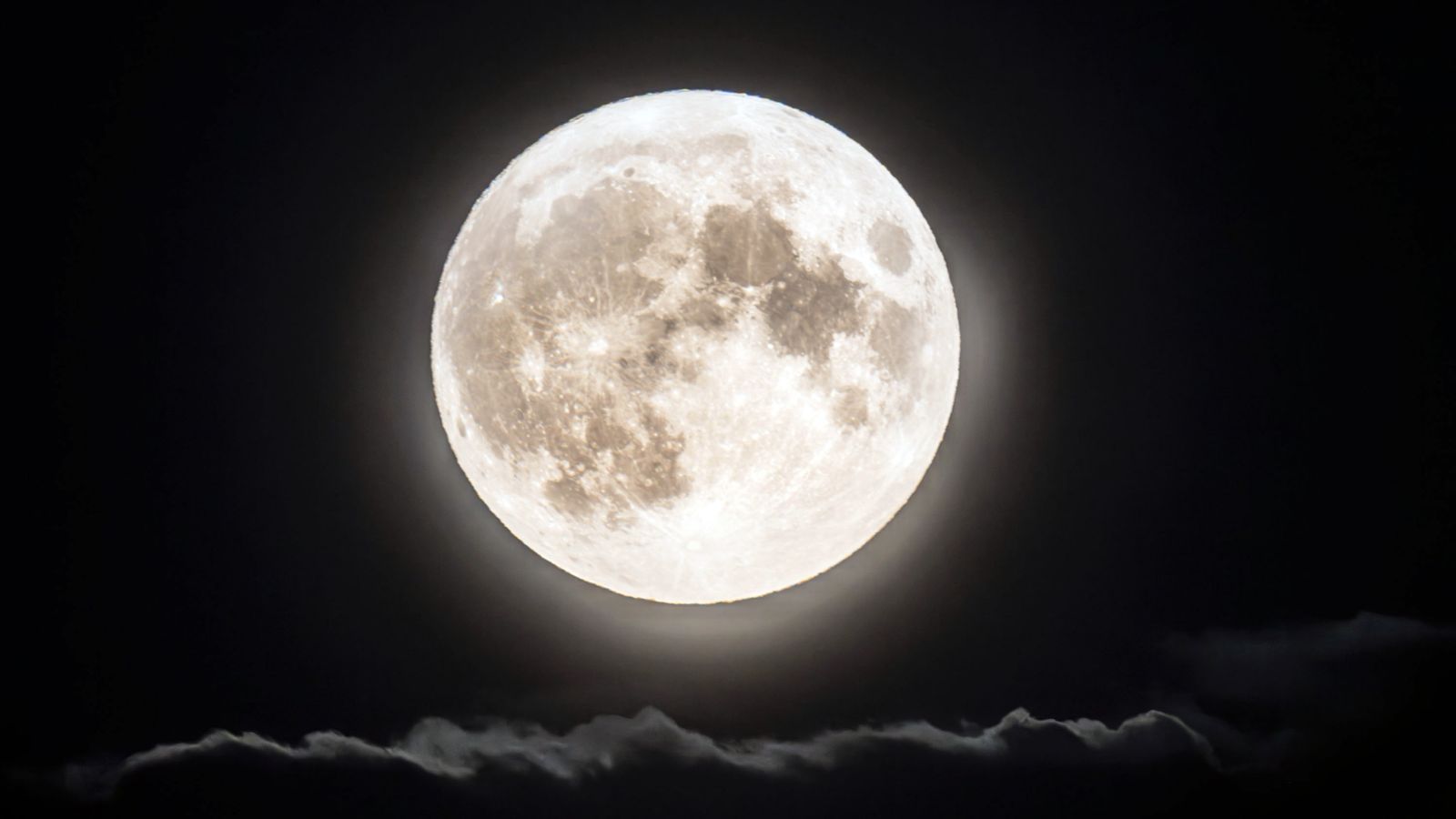
No. In the vast majority of cases, a Blue Moon remains the same pearly white or yellowish-grey color we see every month. The name is a linguistic convention, not a physical description. However, there is a very rare instance where the moon can appear blue: if the Earth’s atmosphere is filled with specific-sized particles, usually from a massive volcanic eruption or forest fire. These particles scatter red light and allow blue light to pass through. This is an atmospheric event and has nothing to do with the “Blue Moon” calendar event.
Is a Micromoon “dangerous” or an omen?
Some folklore associates unusual lunar events with instability or change. From a scientific perspective, a Micromoon is a routine part of orbital mechanics. It has no impact on Earth’s geology, weather patterns, or human health beyond the slight decrease in tidal pull compared to a Supermoon.
Is it the same as a Blood Moon?
Absolutely not. A “Blood Moon” occurs during a total lunar eclipse, when the Earth passes directly between the sun and the moon. The Earth’s atmosphere bends sunlight, filtering out the blue light and casting a reddish glow on the moon. A Blue Micromoon involves no eclipse and no change in color.
The Cultural Impact of “Once in a Blue Moon”
The phrase “once in a blue moon” has become a staple of the English language to describe something that happens very rarely. This linguistic evolution mirrors the astronomical rarity of the event. While Blue Moons happen every few years, the alignment of a Blue Moon with a Micromoon is less frequent, making this Sunday a genuine “once in a blue moon” moment.
Throughout history, humans have looked to the moon to track time, plant crops, and navigate the seas. The obsession with naming these moons—from the “Wolf Moon” of January to the “Harvest Moon” of autumn—reflects our deep-seated need to categorize and understand the rhythms of the natural world. The “Blue Micromoon” is a modern addition to this tradition, blending scientific precision with descriptive language.
How to Photograph the Blue Micromoon
Capturing a Micromoon can be challenging because the subject is distant and bright. Whether you are using a professional DSLR or a smartphone, certain techniques can improve your results.
For Smartphone Users
- Avoid Digital Zoom: Excessive zooming leads to “grainy” photos. Instead, move closer to a window or use a tripod to stabilize the shot.
- Exposure Lock: Tap on the moon on your screen and slide the brightness (exposure) slider down. This prevents the moon from looking like a glowing white blob and brings out the texture of the craters.
- Use a Timer: Even the slight shake of your finger touching the screen can blur a lunar photo. Use a 3-second timer to ensure the phone is perfectly still.
For DSLR and Mirrorless Users
- Telephoto Lens: Use a lens with at least 300mm focal length to fill the frame.
- Aperture: Set your aperture to f/8 or f/11 for maximum sharpness.
- ISO: Keep your ISO low (100-400) to minimize noise, as the moon is a bright light source.
- The Rule of Thirds: Instead of centering the moon, place it to one side and include a silhouette of a building, tree, or mountain to provide a sense of scale.
Key Takeaways for the Event
- The Event: A Blue Micromoon (the second full moon of the month occurring at apogee).
- The Visual: The moon will appear slightly smaller and dimmer than usual.
- The Timing: Best viewed during moonrise on Sunday.
- The Rarity: A combination of a calendar quirk and an orbital peak.
Frequently Asked Questions
Why is it called a “Blue” moon if it isn’t blue?
The term is a traditional way of marking the second full moon in a calendar month. It refers to the rarity of the occurrence rather than the actual color of the lunar surface.

Will the Micromoon affect the tides?
Yes, but subtly. Because the moon is at its farthest point (apogee), its gravitational pull on Earth is slightly weaker. This leads to “smaller” tides compared to those experienced during a Supermoon.
Can I see the Blue Micromoon without a telescope?
Yes, the moon is always visible to the naked eye during a full phase. A telescope or binoculars will simply allow you to see more detail on the lunar surface.
How often do Blue Micromoons occur?
While Blue Moons occur every 2.7 years on average, and Micromoons occur several times a year, the exact alignment of both is less common. It depends on the synchronization of the 29.5-day lunar cycle and the monthly apogee/perigee cycle.
What is the best time of night to watch?
The most dramatic viewing is typically at moonrise, when the moon is low on the horizon. This creates a visual contrast with the landscape and triggers the “Moon Illusion,” making the moon appear larger than it is.
As we look toward the horizon this Sunday, the Blue Micromoon serves as a reminder of the complex, clockwork nature of our solar system. While it may not be the most dazzling display in terms of brightness, its rarity and the science behind it make it a significant event for anyone interested in the mysteries of the night sky. Whether you are an avid astronomer or someone who simply enjoys a quiet moment under the stars, this alignment offers a perfect opportunity to reconnect with the cosmic rhythms that govern our planet.
