How Iran’s Escalating Conflict Has Sent Global Oil Markets Into Uncharted Territory
The first three months of Iran’s military confrontation with Israel have triggered a seismic shift in global energy markets, with crude oil prices surging to levels not seen since the early months of Russia’s invasion of Ukraine. What began as a series of targeted strikes has evolved into a prolonged standoff that is testing the resilience of oil-dependent economies, forcing refiners to scramble for alternative supplies, and raising fears of a broader regional spillover. The ripple effects are already being felt at gas pumps, in corporate balance sheets, and in geopolitical negotiations—all while traders and policymakers grapple with an unsettling question: How much higher can prices go before the world’s economic recovery stalls?
With OPEC+ maintaining its cautious production cuts and major consumers like China showing signs of slowing demand, the conflict’s impact on oil prices is being magnified by structural vulnerabilities in the market. Meanwhile, the International Energy Agency (IEA) has warned that the situation could worsen if the conflict spreads beyond the Middle East, disrupting key chokepoints like the Strait of Hormuz—a scenario that would send shockwaves through an already tight supply chain.
Here’s not just another oil price spike. It is a test of how prepared the world is to handle energy shocks in an era of decarbonization pledges, supply chain fragility, and shifting alliances. Below, we break down the key developments of the past 90 days, the forces driving volatility, and what lies ahead for crude markets.
—
The Spark That Ignited the Crisis: A Timeline of Escalation
The conflict between Iran and Israel did not begin with the recent exchange of strikes, but its intensification over the past three months has transformed it from a simmering regional tension into a full-blown energy market disruptor. Here’s how we got here:
- April 14, 2024: Iran launches a series of missile and drone strikes against Israel in retaliation for a suspected Israeli airstrike on its consulate in Damascus, Syria. The attack, though largely intercepted by Israel’s Iron Dome defense system, marks the first direct military confrontation between the two nations.
- April 20, 2024: Israel responds with a limited airstrike on an Iranian military base in Isfahan, escalating tensions. The U.S. And its allies issue warnings to Iran against further aggression, while global oil futures react sharply, jumping over 3% in a single day.
- May 12, 2024: Iran announces it will suspend compliance with the Joint Comprehensive Plan of Action (JCPOA), or Iran nuclear deal, citing the need to “defend its sovereignty.” The move raises concerns about a potential nuclear standoff and further destabilizes investor confidence in Middle Eastern energy security.
- June 5, 2024: A coordinated attack by Iran-backed Houthi rebels in Yemen targets commercial shipping in the Red Sea, forcing major oil tankers to reroute around the Cape of Good Hope—a detour that adds weeks to transit times and drives up freight costs by as much as 40%. The attack is seen as a direct response to Israel’s military operations in Gaza.
- June 18, 2024: Saudi Arabia, the world’s largest oil exporter, announces a voluntary production cut of 1 million barrels per day (bpd), citing “uncertainty in global markets.” The move, while framed as a stabilizing measure, is interpreted by traders as a signal of growing concern over supply disruptions.
- July 2, 2024: Brent crude oil futures breach the $95 per barrel mark for the first time since October 2023, as traders price in the risk of a broader conflict. The U.S. Strategic Petroleum Reserve (SPR) sees a surge in withdrawals, with analysts estimating an additional 5 million barrels drawn down in the past month alone.
Key Takeaway: The conflict’s escalation has followed a predictable pattern—initial strikes lead to retaliatory measures, which then trigger broader regional responses. What makes this cycle different is the duration of the standoff. Unlike past flare-ups, which typically resolved within weeks, this conflict has entered a phase of prolonged tension, keeping markets on edge.
—
Who’s in the Crosshairs? The Stakeholders Shaping Oil Markets
The energy market impact of the Iran-Israel conflict is not isolated to the two nations involved. Instead, it has created a web of interconnected risks and opportunities across five key groups:
| Stakeholder | Role in the Conflict | Impact on Oil Markets | Key Risks |
|---|---|---|---|
| OPEC+ | Coordinating body for oil-producing nations, including Saudi Arabia and Russia. | Has maintained production cuts to support prices, but internal divisions over extending cuts have grown. | Risk of Saudi Arabia or other members reversing cuts if demand weakens. |
| Major Consumers (U.S., China, EU) | Dependent on Middle East oil for ~30% of imports. | U.S. SPR withdrawals and Chinese strategic purchases have propped up prices. | Economic slowdown in China could reduce demand, offsetting supply fears. |
| Refiners & Traders | Operate in a market where Iranian and Iraqi crude are key feedstocks. | Higher freight costs and insurance premiums for Red Sea routes have squeezed margins. | Potential for force majeure declarations if attacks on shipping escalate. |
| Iran & Israel | Direct combatants, with Iran relying on oil exports for revenue. | Iran’s suspension of JCPOA compliance could lead to sanctions reimposition, further isolating its oil. | |
| Proxy Groups (Houthi, Hezbollah) | Acting on behalf of Iran, targeting shipping and energy infrastructure. | Attacks on Red Sea and Strait of Hormuz have disrupted global supply chains. | Escalation could trigger a broader naval confrontation. |
Expert Insight: “The real wild card here is Saudi Arabia,” says Dr. Amrita Sen, head of Asia Pacific at energy consultancy Energy Aspects. “Riyadh has historically used oil as a tool of leverage, and with Crown Prince Mohammed bin Salman facing domestic economic pressures, we could see a sudden shift in policy—either deeper cuts to prop up prices or a surprise release of barrels to stabilize markets.”
—
Why This Crisis Is Different: The Perfect Storm of Supply and Demand
Oil markets have seen shocks before—from OPEC embargoes in the 1970s to the 2022 Russian invasion of Ukraine. But the current situation is unique because it combines four simultaneous pressures:
- Geopolitical Risk Premium: Traders are pricing in the possibility of a broader conflict, not just between Iran and Israel but involving regional proxies like Hezbollah and the Houthis. This has led to a risk premium being baked into futures contracts, pushing prices higher even without immediate supply disruptions.
- Structural Tightness in Supply: Global oil inventories remain near decade-low levels, with OPEC+ deliberately restricting output to balance the market. The IEA estimates that non-OPEC supply growth will stagnate in 2024, leaving little room for unexpected shocks.
- Red Sea Disruptions: The rerouting of tankers around Africa has added 10–15 days to transit times and increased freight costs by up to 30–40%. This has particularly affected Asian refiners, who rely on Middle East crude.
- Demand Uncertainty: While China’s post-pandemic rebound has supported prices, signs of economic cooling—such as weaker-than-expected manufacturing data—have traders questioning whether demand can sustain current levels.
Data Point: According to the International Maritime Bureau, attacks on commercial shipping in the Red Sea have increased by 250% since June 2024, with insurers now requiring vessels to pay additional war-risk premiums of up to $500,000 per voyage.
Misconception: Some analysts argue that the market is “overreacting” because Iran’s oil exports have not yet been directly targeted. However, the broader regional instability—including attacks on shipping and potential sanctions—means the market is pricing in future disruptions, not just current ones.
—
The Human Cost: How Higher Oil Prices Are Being Felt on the Ground
While traders and policymakers debate futures contracts and production cuts, the real-world impact of rising oil prices is being felt most acutely by ordinary consumers and vulnerable economies. Here’s how:
- Gasoline Prices: In the U.S., the national average for regular gasoline has risen from $3.25 per gallon in early April to $3.65 in July, with some states like California seeing increases of over 15%. For low-income households, this translates to an additional $100–$200 per month on fuel costs.
- Aviation Fuel Costs: Airlines are passing on higher jet fuel prices to passengers, with some carriers announcing surcharges on long-haul flights. The International Air Transport Association (IATA) estimates that fuel costs now account for 28% of airline operating expenses, up from 22% pre-conflict.
- Emerging Markets: Countries like Turkey, Pakistan, and Egypt—already struggling with inflation—are seeing their import bills balloon. Turkey’s central bank has intervened twice in the past month to stabilize the lira, while Pakistan has requested emergency loans from the IMF to cover fuel subsidies.
- Renewable Energy Setbacks: Higher oil prices have paradoxically slowed investment in renewables in some regions, as governments and corporations delay green energy projects in favor of short-term fossil fuel solutions. The BloombergNEF reports a 12% drop in global clean energy investment in the second quarter of 2024.
Case Study: India’s Dilemma India, the world’s third-largest oil importer, has been caught in a bind. While it has increased purchases from Russia and Iraq to offset potential Iranian supply cuts, the country’s refiners are now facing margins as thin as $1 per barrel—a level that threatens profitability. The government has responded by imposing export taxes on diesel to keep domestic prices stable, but this has led to protests from farmers and truckers.
—
The Road Ahead: Three Scenarios for Oil Markets
With the conflict showing no signs of immediate resolution, analysts are divided on where oil prices are headed. Three scenarios are currently being debated:
- The Containment Scenario: Regional tensions de-escalate, and attacks on shipping subside. OPEC+ maintains its current production levels, while China’s economic recovery stabilizes demand. Brent crude stabilizes between $90–$95 per barrel.
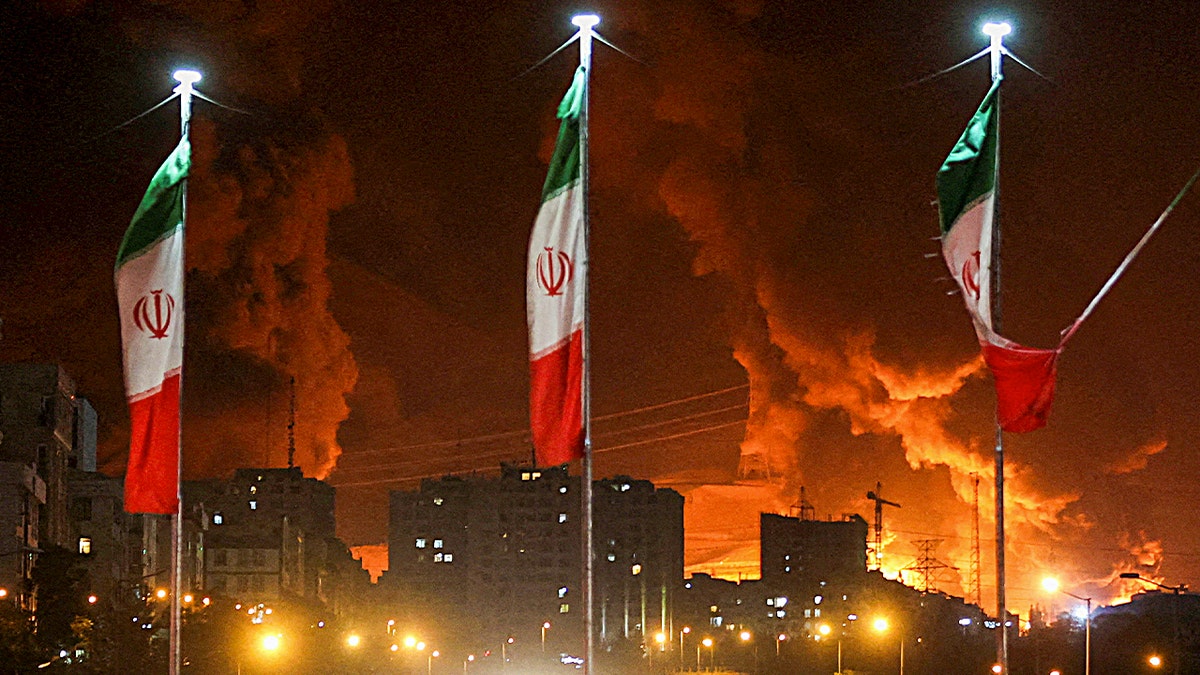
- The Escalation Scenario: The conflict spreads to include direct attacks on Saudi or UAE oil infrastructure, or a broader naval confrontation in the Strait of Hormuz. Brent spikes to $110–$130 per barrel, with a global recession risk emerging.
- The Geopolitical Gambit Scenario: Saudi Arabia or another Gulf state surprises markets by suddenly releasing barrels to prevent a crash, or Iran and Israel reach a backchannel deal to ease tensions. Prices volatility increases, but the trend remains upward due to structural tightness.
Wildcard: The potential reimposition of U.S. Sanctions on Iranian oil could further tighten supplies. While Iran has been skirting sanctions through indirect exports, a full cutoff would remove 1.2 million bpd from the market—equivalent to the output of Libya or Kuwait.
One thing is clear: the market is now operating in a state of permanent uncertainty. Unlike past crises, where shocks were temporary, the current situation has become a new baseline—one where geopolitical risk is no longer an occasional spike but a persistent backdrop to trading.
—
What You Need to Know: FAQs on the Iran War and Oil Markets
With the situation evolving rapidly, here are answers to some of the most pressing questions:
- Will gas prices keep rising?
- Likely in the short term, as long as the conflict persists and OPEC+ maintains its production cuts. However, if China’s economy weakens further, demand could soften, potentially capping price increases.
- Could the U.S. Or EU impose new oil sanctions?
- Unlikely in the near term, but if Iran escalates its nuclear program or attacks commercial shipping, Western governments may reconsider sanctions relief. The U.S. Has already signaled it could reimpose secondary sanctions on companies trading with Iran.
- How are airlines and shipping companies adapting?
- Many are rerouting cargo and passenger flights away from the Red Sea, increasing costs. Some, like Maersk, have warned that freight rates could remain elevated for six months or more if attacks continue.
- Is this a repeat of 2022’s Ukraine war oil shock?
- Not exactly. In 2022, the shock was driven by a physical supply cutoff (Russia’s invasion). This time, the risk is more psychological and structural—market participants are pricing in potential future disruptions rather than seeing them materialize yet.
- What’s the worst-case scenario for oil prices?
- If the conflict spreads to include attacks on Saudi Aramco facilities or a full blockade of the Strait of Hormuz, Brent could surge to $120–$150 per barrel. This would trigger a global recession, as seen in the 1970s oil crisis.
- How long can this tension last?
- Historically, Middle East conflicts have lasted weeks to months before de-escalation. However, with Iran’s economy under pressure and Israel facing domestic unrest, both sides may be incentivized to prolong the standoff for strategic leverage.
—
As the first 90 days of Iran’s military confrontation with Israel draw to a close, one thing is certain: the energy markets have entered uncharted territory. The conflict has exposed the fragility of global supply chains, the limits of strategic oil reserves, and the delicate balance between geopolitical stability and economic growth. For now, traders are bracing for more volatility, policymakers are monitoring every development in the Red Sea, and consumers are tightening their belts—all while the world watches to see whether this crisis will fade or fester into a prolonged standoff.
What is clear is that the era of “cheap oil” is over. The question now is not if prices will rise further, but how high—and whether the global economy can withstand the shock.
