
Why Restoring Soil Health is a Win-Win for Farmers and the Environment – Innovation News Network
For decades, the global agricultural narrative has been dominated by a drive for maximum output, often achieved through heavy chemical inputs and intensive tillage. However, a paradigm shift is occurring in the fields and laboratories of the world. Agronomists and producers are rediscovering a fundamental truth: the foundation of food security is not the seed or the fertilizer, but the living biological matrix of the soil itself. Understanding why restoring soil health is a win-win for farmers and the environment – Innovation News Network and other leading observers of agricultural tech are highlighting this shift as a critical intersection of economic survival and planetary health.
Soil degradation—the loss of organic matter, the collapse of microbial networks, and the erosion of topsoil—has become a silent crisis. When soil dies, it ceases to be a living ecosystem and becomes merely a medium to hold plants upright while they are fed synthetic nutrients. This “addicted” state creates a precarious cycle where farmers must spend more on inputs to achieve the same, or even lower, yields. By pivoting toward soil restoration, the agricultural sector can break this cycle, transforming the land from a carbon source into a carbon sink, and turning a financial liability into a resilient asset.
The Hidden Crisis: The Cost of Soil Degradation
To understand the necessity of restoration, one must first acknowledge the extent of the damage. Industrial farming practices, while successful in boosting calories in the short term, have often ignored the long-term biological cost. Continuous monocropping, over-reliance on synthetic nitrogen, and aggressive plowing have stripped the Earth of its natural resilience.
Degraded soil lacks the structure to hold water, making crops more susceptible to drought. It lacks the organic matter to sequester carbon, contributing to the greenhouse effect. Most critically for the farmer, it lacks the microbiome—the fungi and bacteria—that naturally unlock minerals from the earth and deliver them to the plant roots. This biological void is what necessitates the heavy use of chemical fertilizers, which in turn further acidify the soil and kill the remaining microbial life.
“Soil is not a dead substrate; We see a complex, living organism. When we treat it as a chemistry set rather than a biological system, we lose the particularly intelligence that allows nature to sustain life without synthetic intervention.”
The “Input Treadmill” Effect
Farmers often find themselves on what economists call an “input treadmill.” As soil health declines, the efficiency of synthetic fertilizers drops. To maintain yields, the farmer applies more fertilizer. This excess nitrogen often leaches into waterways, causing algal blooms and “dead zones” in oceans, while simultaneously destroying the soil’s natural ability to cycle nutrients. The result is a shrinking profit margin: costs go up, while the land’s inherent productivity goes down.
The Farmer’s Win: Economic Resilience and Higher Yields
Restoring soil health is not merely an act of environmental altruism; it is a strategic business decision. When soil is biologically active, it performs services for the farmer that were previously purchased in a jug or a bag. The economic benefits of soil restoration manifest in three primary areas: reduced recurring costs, improved water efficiency, and long-term yield stability.
1. Slashing Recurring Input Costs
Healthy soil is rich in organic matter and teeming with mycorrhizal fungi. These organisms form symbiotic relationships with plant roots, extending their reach to find phosphorus and other micronutrients that are otherwise chemically locked in the soil. By fostering this natural infrastructure, farmers can significantly reduce their reliance on expensive synthetic NPK (Nitrogen, Phosphorus, Potassium) fertilizers.
- Natural Nitrogen Fixation: Using cover crops like clover or vetch allows farmers to “grow” their own nitrogen, pulling it from the atmosphere and depositing it into the soil.
- Pest Resilience: A diverse soil microbiome helps plants develop stronger immune systems, reducing the need for costly chemical pesticides, and fungicides.
- Reduced Machinery Use: Transitioning to no-till or low-till systems reduces fuel consumption and wear-and-tear on heavy machinery.
2. Water Security and Drought Mitigation
One of the most immediate benefits of soil restoration is the increase in Water Holding Capacity (WHC). Organic matter acts like a sponge. For every 1% increase in soil organic matter, an acre of land can hold thousands of additional gallons of water. In an era of erratic rainfall and intensifying droughts, this “biological reservoir” is a lifeline.
Farmers with healthy soil find that their crops remain green longer during dry spells, and they require less irrigation. This not only saves on water costs but also protects the farm against total crop failure during extreme weather events.
3. Yield Stability and Quality
While some fear that moving away from chemicals will cause yields to plummet, the reality is often a transition toward stability. While peak yields in a “perfect” year might remain similar, the “floor” is raised. Healthy soils prevent the catastrophic crashes associated with soil exhaustion and disease outbreaks. Crops grown in biologically rich soil often have higher nutrient densities, potentially opening doors to premium “regenerative” markets.
| Feature | Degraded/Conventional Soil | Restored/Regenerative Soil |
|---|---|---|
| Nutrient Source | Synthetic chemicals (External) | Microbial cycling (Internal) |
| Water Retention | Low; prone to runoff and drought | High; acts as a biological sponge |
| Carbon Profile | Net emitter of CO2 | Net sequesterer of carbon |
| Cost Structure | High recurring input costs | Lower inputs; higher initial labor/knowledge |
| Biodiversity | Low (Sterile) | High (Diverse microbiome) |
The Environmental Win: Healing the Planet from the Ground Up
The ecological implications of restoring soil health extend far beyond the borders of a single farm. Agriculture is one of the largest contributors to climate change and water pollution, but if managed correctly, it can become one of the most powerful tools for planetary healing. Exploring why restoring soil health is a win-win for farmers and the environment – Innovation News Network reveals a blueprint for a sustainable future.
Carbon Sequestration: The Great Earth Filter
The soil is one of the largest terrestrial carbon sinks on the planet. Through photosynthesis, plants pull carbon dioxide from the atmosphere and pump it into the soil as sugars to feed microbes. In a healthy system, this carbon is stabilized into organic matter, effectively “locking” it underground for decades or even centuries.
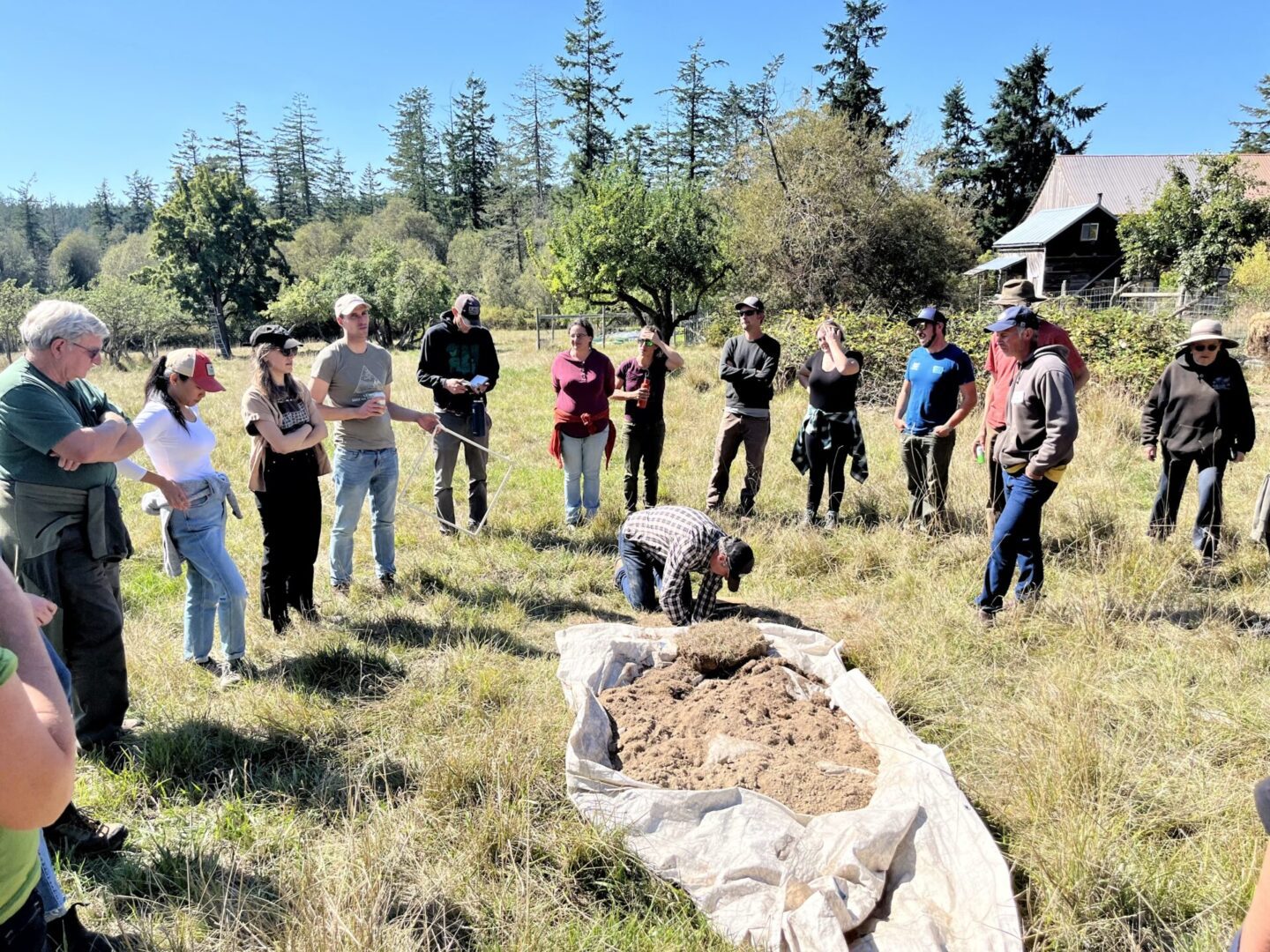
Regenerative practices—such as no-till farming and the use of perennial cover crops—prevent this carbon from being released back into the atmosphere. If scaled globally, soil restoration could offset a significant portion of annual human-driven CO2 emissions, making the farm a primary weapon against global warming.
Protecting Waterways and Biodiversity
When soil is degraded, it loses its structure and becomes prone to erosion. During heavy rains, topsoil washes into streams and rivers, carrying with it concentrated nitrates and phosphates. This leads to eutrophication, creating hypoxic “dead zones” in coastal waters where fish and aquatic life cannot survive.
Restored soil, with its porous structure and root-dense cover, filters water as it sinks into the ground. This not only prevents runoff but also recharges groundwater aquifers, ensuring that the water table remains sustainable for future generations. Simultaneously, the return of soil biodiversity—from earthworms to complex fungal networks—supports pollinators and birds, restoring the broader food web.
The Mechanics of Restoration: How It Is Done
Restoring soil is not a single action but a shift in management philosophy. It requires moving from “feeding the plant” to “feeding the soil.” The following strategies are the cornerstones of this movement:
No-Till and Low-Till Farming
Tilling (plowing) is essentially an earthquake for the soil microbiome. It shatters fungal networks and exposes sequestered carbon to oxygen, which converts it into CO2. No-till farming leaves the soil undisturbed, allowing the natural architecture of the earth to remain intact and the organic matter to accumulate.
Cover Cropping
Nature abhors a vacuum. In conventional farming, fields are often left bare between seasons, leaving the soil exposed to wind and rain. Cover crops—such as rye, clover, or radish—ensure that living roots are in the ground year-round. These crops protect the surface, feed soil microbes, and naturally suppress weeds.
Crop Rotation and Diversification
Monocropping (growing the same crop year after year) drains specific nutrients and invites specialized pests. Rotating crops—for example, following a nitrogen-heavy corn crop with a nitrogen-fixing legume—breaks pest cycles and balances the nutrient profile of the soil naturally.
Integrated Livestock Management
Integrating animals back into the cropping system mimics natural grasslands. Managed grazing (rotational grazing) allows livestock to fertilize the land with manure and stimulate plant growth through controlled grazing, accelerating the buildup of organic matter.
For those interested in the broader technological landscape, a related explainer on precision agriculture can show how AI and sensors are now being used to monitor these biological changes in real-time.
Overcoming the Transition Gap
If the benefits are so clear, why isn’t every farmer doing this? The transition from conventional to regenerative agriculture involves a “valley of death”—a period where the soil is recovering, but the old chemical dependencies are still present. This transition can be risky.
The Knowledge Barrier
Conventional farming is a prescriptive science: “Apply X amount of fertilizer at Y time.” Regenerative farming is an observational art. It requires farmers to understand their specific land, observe the pests, and manage biological cycles. This requires a massive investment in education and a shift in mindset.
Economic Risk and Policy Gaps
The first few years of transition may see a slight dip in yields as the soil microbiome restarts. Most current agricultural subsidies and insurance programs are designed for conventional monocropping, meaning farmers who innovate may actually find themselves penalized or unsupported by existing policy frameworks.

Common Misconceptions
- “Regenerative means going back to the Middle Ages.” False. Modern restoration uses satellite imagery, soil sensors, and advanced seed genetics to optimize biological processes.
- “It can’t feed the world.” False. Evidence suggests that while peak yields might fluctuate, the overall system stability and nutrient density increase, providing a more secure food supply in a changing climate.
- “It’s only for organic farms.” False. Many “hybrid” farmers use a mix of reduced chemicals and regenerative practices to transition sustainably.
The Global Outlook: A New Agricultural Economy
We are seeing the emergence of a new economy based on “ecosystem services.” Companies are beginning to pay farmers not just for the grain they produce, but for the carbon they sequester and the water they clean. Carbon credits are becoming a viable secondary income stream for those who can prove they are restoring their soil health.
From the vast prairies of the American Midwest to the smallholdings of India and the wheat fields of Australia, the movement toward soil health is gaining momentum. It represents a rare alignment of interests: the farmer’s need for profitability, the consumer’s desire for nutrient-dense food, and the planet’s need for climate stabilization.
As we move forward, the success of this transition will depend on the integration of traditional ecological knowledge with cutting-edge innovation. The goal is a food system that doesn’t just “sustain” a degraded status quo, but actively regenerates the earth with every harvest.
Frequently Asked Questions
How long does it take to see improvements in soil health?
While some changes, like improved water infiltration, can be seen within one or two seasons, the full restoration of the soil microbiome and significant increases in organic matter typically take three to five years of consistent regenerative practices.
Does restoring soil health always lead to higher profits?
In the long run, yes, primarily because the cost of inputs (fertilizers, pesticides) drops significantly. However, there is often a transition period where yields may stabilize or slightly dip before the biological systems take over, which is why financial support during the transition is crucial.
Can these methods be used on all types of soil?
Yes, the principles of minimizing disturbance, maximizing biodiversity, and keeping living roots in the ground are universal. However, the specific cover crops and rotation strategies must be tailored to the local climate and soil type (e.g., sandy vs. Clay).
What is the difference between “sustainable” and “regenerative” agriculture?
Sustainable agriculture aims to maintain the current state and “do no harm.” Regenerative agriculture goes a step further, aiming to actively improve and heal the land, increasing biodiversity and sequestering carbon to reverse previous damage.
Is regenerative farming compatible with large-scale industrial farming?
Yes. With the help of “no-till” drills and precision technology, large-scale operations can implement cover cropping and rotation on thousands of acres, proving that soil health is scalable.
The trajectory of global agriculture is shifting. The realization that the soil is a living asset—not a dead resource—is paving the way for a future where farming is a solution to the climate crisis rather than a contributor. By prioritizing the biological health of the earth, we ensure a resilient food supply and a living planet for the generations to follow.
