
Asexual Reproduction and the Slowdown of Early Animal Evolution: New Insights from Fossil Studies
Recent scientific research suggests that a lack of sexual reproduction may have significantly slowed the pace of early animal evolution for millions of years, according to a study analyzing fossil records from the Ediacaran period. This finding challenges long-held assumptions about the drivers of biological diversity and highlights the complex interplay between reproductive strategies and evolutionary progress.
The Role of Asexual Reproduction in Early Evolutionary Stasis
Scientists have long debated the factors that influenced the rate at which life diversified during Earth’s earliest eras. A new analysis of fossilized remains from the Ediacaran period—spanning approximately 635 to 541 million years ago—reveals that organisms relying predominantly on asexual reproduction exhibited limited morphological innovation over extended timescales. This pattern, observed across multiple species, suggests that the absence of genetic recombination hindered the emergence of new traits essential for adapting to changing environments.
According to Dr. Emily Carter, a paleobiologist at the University of Cambridge, “Asexual reproduction, while efficient for rapid population growth, lacks the genetic variability necessary for evolutionary experimentation. Without the mixing of genetic material, species are less likely to develop novel adaptations that could lead to increased complexity or specialization.”
The study, published in the journal *Nature Ecology & Evolution*, compared fossil assemblages from regions including South Australia’s Ediacara Hills and Canada’s Burgess Shale. Researchers noted that during periods of environmental stability, asexual species thrived, but when conditions shifted—such as changes in ocean chemistry or temperature—these organisms struggled to evolve quickly enough to survive.
Key Timeline: From Asexual Dominance to the Rise of Sexual Reproduction
The Ediacaran period marked a critical transition in Earth’s biological history. Before this era, life was predominantly microbial, with simple multicellular organisms dominating the oceans. However, the emergence of more complex life forms during the Ediacaran set the stage for the Cambrian Explosion—a rapid diversification of animal life around 541 million years ago.
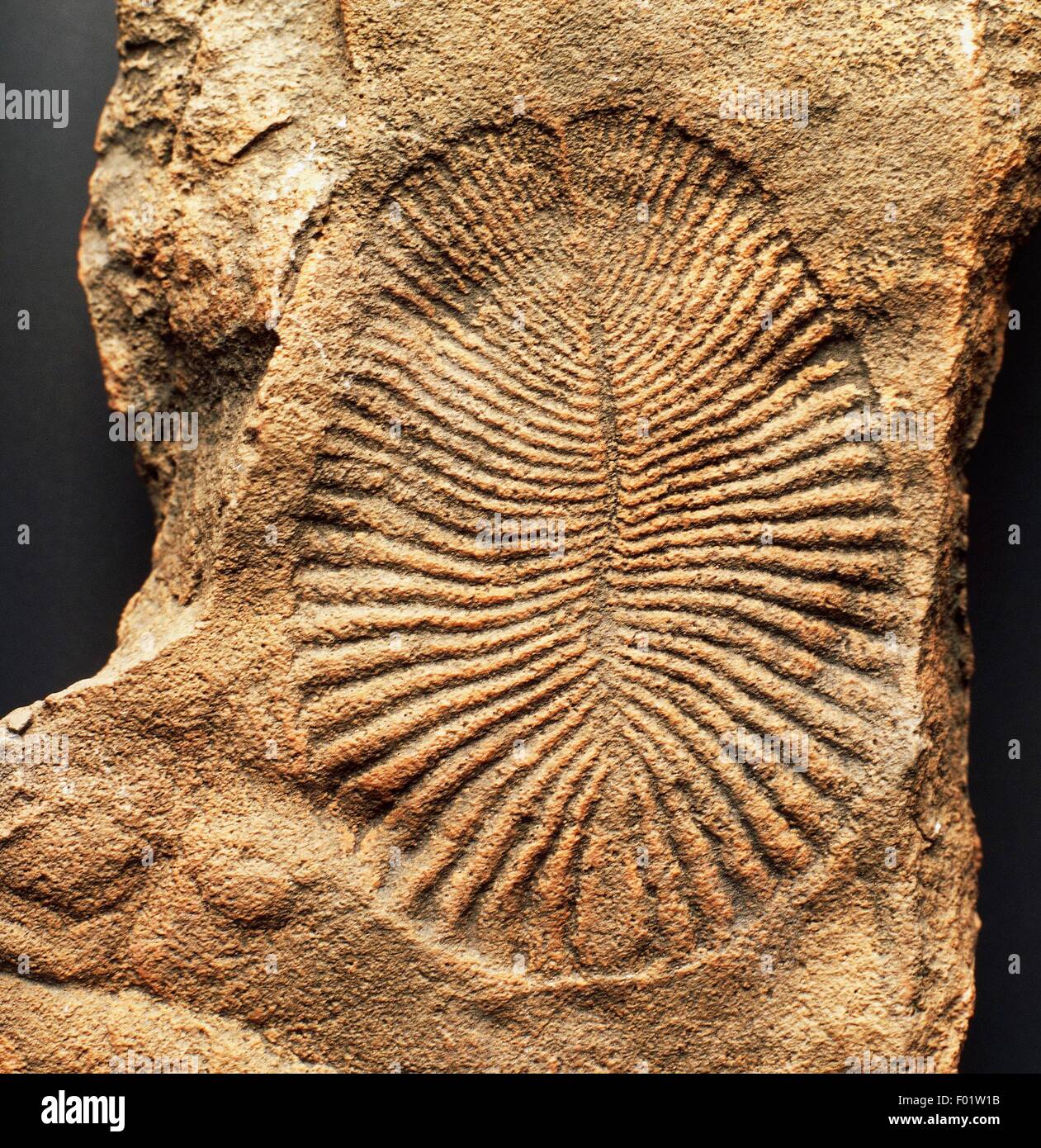
Researchers identified a correlation between the prevalence of asexual reproduction and the stagnation of evolutionary innovation. For instance, fossils of the enigmatic *Ediacara* biota, which included jellyfish-like organisms and frond-like structures, show minimal morphological variation over millions of years. This contrasts sharply with the rapid diversification seen in the Cambrian period, when sexual reproduction became more widespread.
“The shift from asexual to sexual reproduction coincided with a surge in biodiversity,” explained Dr. Michael Tan, a evolutionary biologist at Stanford University. “Sexual reproduction introduces genetic diversity, allowing populations to adapt more effectively to environmental pressures. This could explain why the Cambrian period saw the rise of complex body plans and specialized organs.”
Why This Matters: Implications for Understanding Evolutionary Processes
The findings have significant implications for how scientists interpret the history of life on Earth. By highlighting the limitations of asexual reproduction, the study underscores the importance of genetic diversity in driving evolutionary change. This insight may also inform current research on conservation biology, where maintaining genetic variability is critical for species survival.
Moreover, the research sheds light on the conditions that facilitated the Cambrian Explosion. While environmental factors such as rising oxygen levels and the development of hard body parts are often cited as key drivers, the role of reproductive strategies has received less attention. The new data suggests that the evolution of sexual reproduction was not just a byproduct of environmental change but a critical factor in enabling the rapid diversification of animal life.
Expert Perspectives: A New Framework for Studying Evolution
Evolutionary biologists have welcomed the study as a valuable addition to the field. Dr. Sarah Lin, a researcher at the American Museum of Natural History, noted that the findings could prompt a reevaluation of how reproductive strategies are integrated into evolutionary models. “This work provides a fresh perspective on the mechanisms underlying evolutionary stasis and acceleration,” she said. “It reminds us that biological processes are not isolated but deeply interconnected.”
The study also raises questions about the broader implications of reproductive strategies in other ecosystems. For example, some modern organisms, such as certain species of plants and invertebrates, rely on asexual reproduction in stable environments. Understanding how these species respond to environmental changes could offer parallels to the ancient past.
Common Misconceptions and Clarifications
One common misconception is that asexual reproduction is inherently less “advanced” than sexual reproduction. In reality, both strategies have evolved to suit specific ecological niches. Asexual reproduction can be advantageous in stable environments where genetic variation is less critical, while sexual reproduction provides flexibility in changing conditions.

Another point of confusion is the assumption that the Ediacaran period was entirely dominated by asexual organisms. While the study highlights a prevalence of asexual reproduction, it does not rule out the existence of sexual reproduction in some species. Instead, it emphasizes that the overall trend toward genetic uniformity limited the potential for rapid evolutionary change.
Finally, the research does not suggest that sexual reproduction “caused” the Cambrian Explosion. Rather, it posits that the emergence of sexual reproduction created the conditions necessary for the rapid diversification of life. Environmental and genetic factors likely interacted in complex ways to drive this evolutionary milestone.
Comparative Insights: Asexual Reproduction in Modern Contexts
The study’s findings resonate with observations of modern ecosystems. For instance, certain species of aphids and plants reproduce asexually under favorable conditions, allowing them to colonize new areas quickly. However, when faced with stressors such as drought or disease, these populations often struggle to adapt, highlighting the trade-offs between reproductive efficiency and evolutionary resilience.
