Endometriosis and Ovarian Reserve: Understanding the Link Through Inflammation and Surgical Interventions
Endometriosis, a condition affecting millions of women globally, has long been associated with reproductive challenges. Recent discussions in medical and scientific circles highlight a critical connection between endometriosis and the decline of ovarian reserve—a key factor in a woman’s fertility potential. This article explores the mechanisms by which endometriosis impacts ovarian function, the role of inflammation, and the implications of surgical treatments, drawing on established medical research and clinical insights.
What Is Endometriosis and How Does It Affect Fertility?
Endometriosis occurs when tissue similar to the lining of the uterus grows outside the uterine cavity, commonly affecting the ovaries, fallopian tubes, and pelvic lining. This condition can cause chronic pain, irregular menstrual cycles, and infertility. While the exact causes remain unclear, hormonal imbalances, immune system dysfunction, and genetic factors are believed to play significant roles.
One of the most profound effects of endometriosis is its impact on ovarian reserve. Ovarian reserve refers to the number and quality of eggs a woman has, which naturally declines with age. However, endometriosis appears to accelerate this decline, complicating efforts to conceive. Studies suggest that the disease’s inflammatory processes and physical changes to the ovaries contribute to this reduction, though the exact pathways remain under investigation.
The Role of Inflammation in Ovarian Reserve Decline
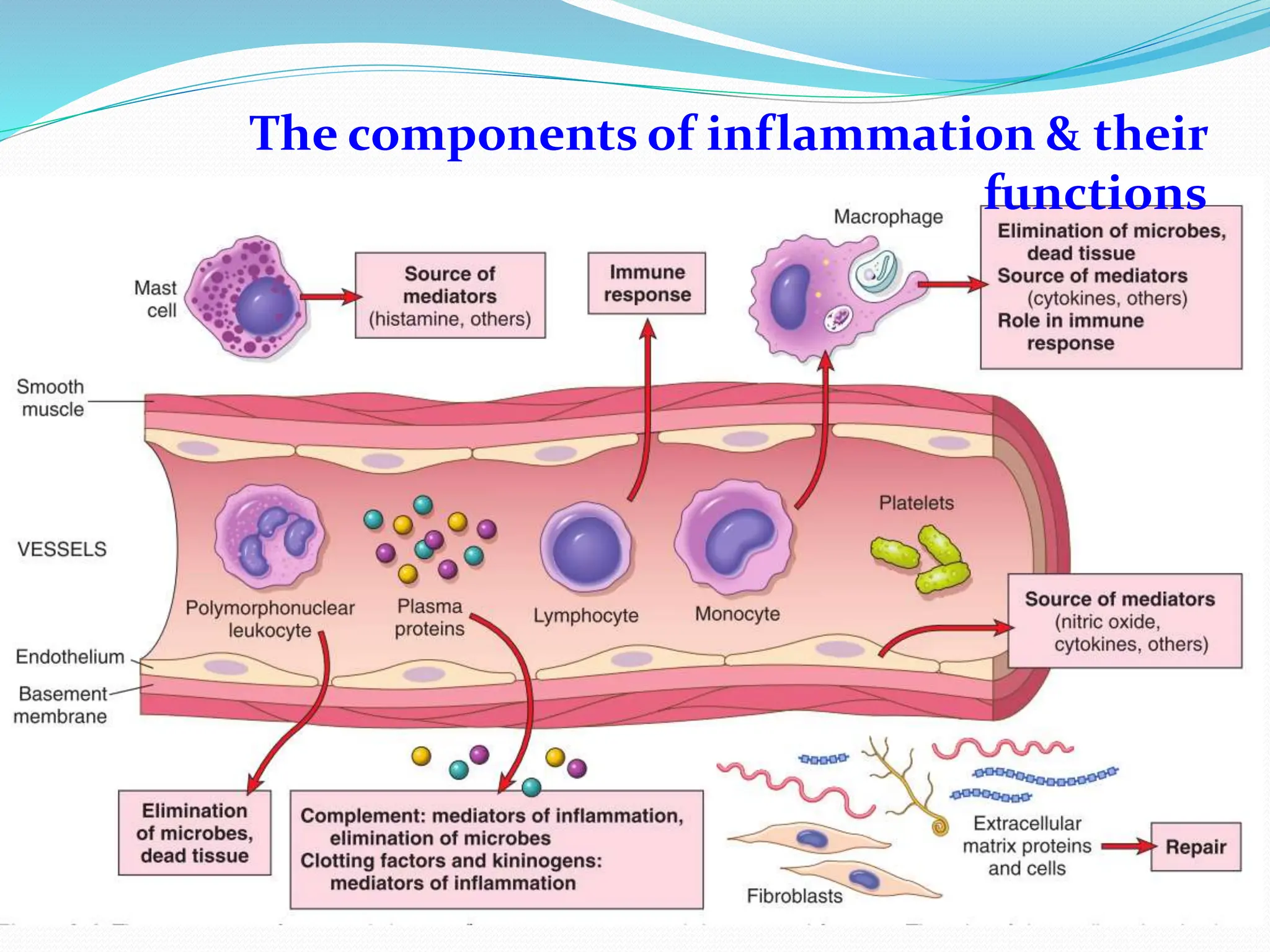
Inflammation is a central factor in the progression of endometriosis. The ectopic endometrial tissue triggers an immune response, leading to the release of inflammatory molecules such as cytokines and prostaglandins. These substances can disrupt the normal functioning of ovarian follicles, which are responsible for producing eggs.
Research indicates that chronic inflammation may impair the maturation and release of eggs, a process known as ovulation. Inflammation can alter the hormonal environment, further complicating fertility. For example, elevated levels of inflammatory markers have been linked to reduced levels of anti-Müllerian hormone (AMH), a key indicator of ovarian reserve. AMH levels reflect the number of remaining eggs, and a decline in this hormone suggests a diminished ovarian reserve.
the presence of endometriomas—fluid-filled cysts on the ovaries—can physically damage ovarian tissue. These cysts, often referred to as “chocolate cysts” due to their dark, old-blood appearance, may lead to scarring and the loss of healthy ovarian follicles. This structural damage exacerbates the decline in ovarian reserve, particularly in women with advanced stages of the disease.
Surgical Interventions and Their Impact on Ovarian Function
Surgery is a common treatment for endometriosis, especially when the condition causes severe pain or infertility. Procedures such as laparoscopic excision or ablation aim to remove or destroy endometrial lesions. While these interventions can provide symptom relief, they may also have unintended consequences for ovarian reserve.
During surgery, there is a risk of inadvertently damaging healthy ovarian tissue, particularly when endometriomas are present. The use of electrocautery or laser techniques to remove cysts can lead to thermal injury, reducing the number of viable follicles. The removal of large endometriomas may result in the loss of surrounding ovarian tissue, further compromising fertility potential.
Clinical studies highlight the importance of balancing the benefits of surgery with the potential risks. For women planning to conceive, minimally invasive techniques and careful preservation of ovarian tissue are critical. In some cases, fertility preservation methods such as egg freezing may be recommended before surgery to mitigate the risk of further ovarian damage.
Implications for Diagnosis and Treatment
The connection between endometriosis and ovarian reserve underscores the need for early diagnosis and personalized treatment approaches. Women with endometriosis, particularly those experiencing difficulty conceiving, should undergo comprehensive fertility evaluations. Assessments such as antral follicle count (AFC) and AMH testing can provide valuable insights into ovarian function and guide treatment decisions.
For individuals undergoing surgery, a multidisciplinary approach involving gynecologists, reproductive endocrinologists, and fertility specialists is essential. This collaboration ensures that treatment plans prioritize both symptom management and the preservation of reproductive potential. In some cases, assisted reproductive technologies like in vitro fertilization (IVF) may be necessary to achieve pregnancy, especially if ovarian reserve has been significantly compromised.
Research also emphasizes the importance of monitoring ovarian function over time. Women with endometriosis may experience a faster decline in fertility compared to those without the condition, necessitating regular follow-ups and adjustments to treatment strategies.
Challenges and Future Directions
Despite growing awareness of the link between endometriosis and ovarian reserve, challenges remain in understanding the full scope of the condition’s impact. Variability in disease severity, individual responses to treatment, and the complex interplay of hormonal and inflammatory factors complicate efforts to develop standardized guidelines.
Future research should focus on identifying biomarkers that can predict ovarian reserve decline in women with endometriosis. Advances in imaging techniques and minimally invasive procedures may also improve the ability to preserve ovarian function during treatment. Exploring non-surgical options, such as targeted anti-inflammatory therapies, could offer new avenues for managing the condition without compromising fertility.
Frequently Asked Questions
How does endometriosis affect fertility?
Endometriosis can impair fertility by causing inflammation, scarring, and structural changes to the reproductive organs. It may also disrupt ovulation and create a hostile environment for embryo implantation. The condition’s impact on ovarian reserve further complicates conception efforts.