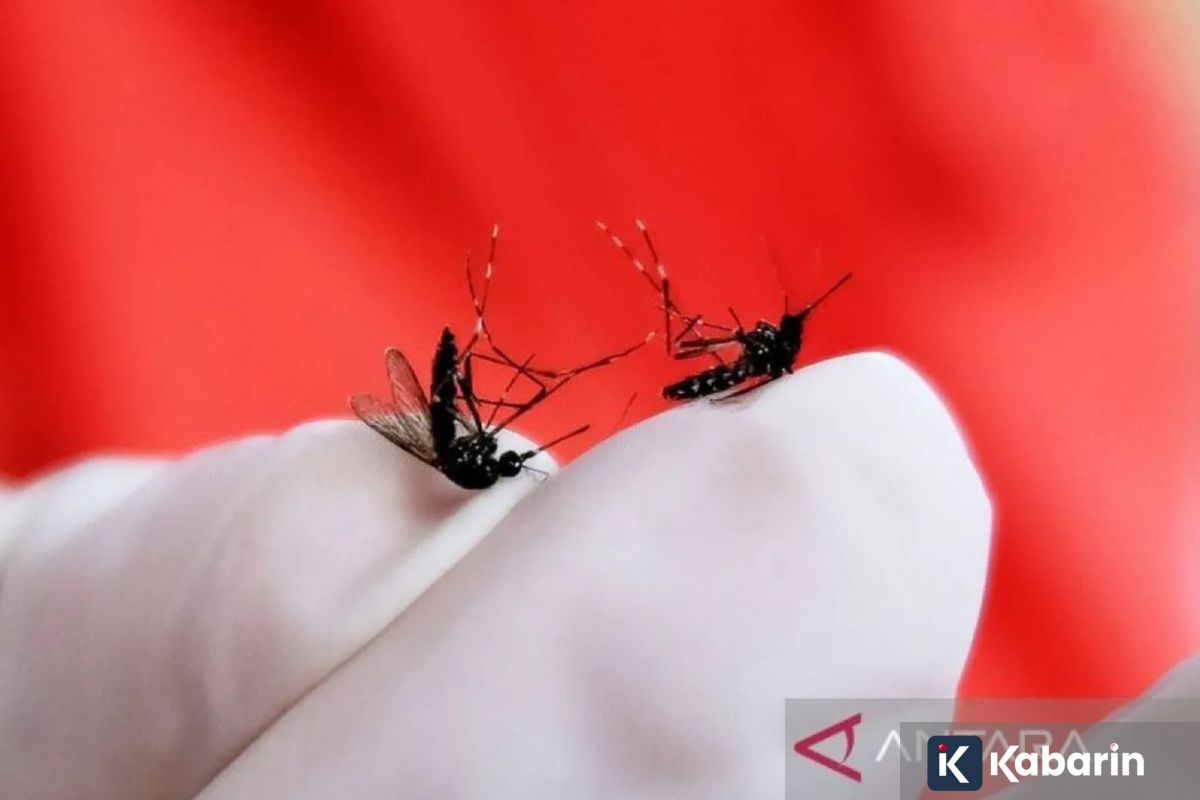
Climate change is elevating the risk of dengue hemorrhagic fever (DBD), malaria, and diarrhea among children, while accelerating the transmission of diseases from animals to humans, according to the Indonesian Pediatric Society (IDAI) and public health reports.
- Children face higher vulnerability to vector-borne diseases and gastrointestinal infections due to shifting weather patterns.
- Environmental changes are triggering an increase in zoonotic diseases, where pathogens jump from animals to human populations.
- Public health advocates are calling for the climate crisis to be officially recognized as a global public health emergency.
Why are children more at risk from climate change?
The Indonesian Pediatric Society (IDAI) reports that climate change directly increases the incidence of several critical childhood illnesses. Shifting temperatures and rainfall patterns create more favorable breeding grounds for mosquitoes, leading to a higher risk of dengue hemorrhagic fever (DBD) and malaria.

Beyond vector-borne illnesses, health officials note a rise in diarrhea cases among children. This is attributed to the impact of climate instability on water quality and sanitation, which increases the prevalence of waterborne pathogens.
How does the climate crisis trigger zoonotic diseases?
Environmental degradation and changing climates are altering the habitats of various wildlife species, forcing animals into closer contact with human settlements. According to reports from Media Indonesia, this ecological shift triggers the spread of zoonotic diseases—illnesses that originate in animals and migrate to humans.
Public health authorities describe these developments as an “invisible threat” that is steadily intensifying. The disruption of natural barriers between species increases the likelihood of viral spillovers, which can lead to new outbreaks or pandemics.
Should the climate crisis be a global health emergency?
The scale of these health threats has led to calls for a systemic change in how the world classifies the environmental crisis. According to reports from Bloomberg Technoz, there is a growing consensus among health policy analysts that the climate crisis must be declared a global public health emergency.
This designation would shift the focus from purely environmental metrics to the immediate biological and medical consequences facing human populations. Proponents of this move argue that the current health trajectory—marked by expanding disease vectors and increasing zoonotic risks—requires an emergency response framework to protect vulnerable groups, particularly children.
