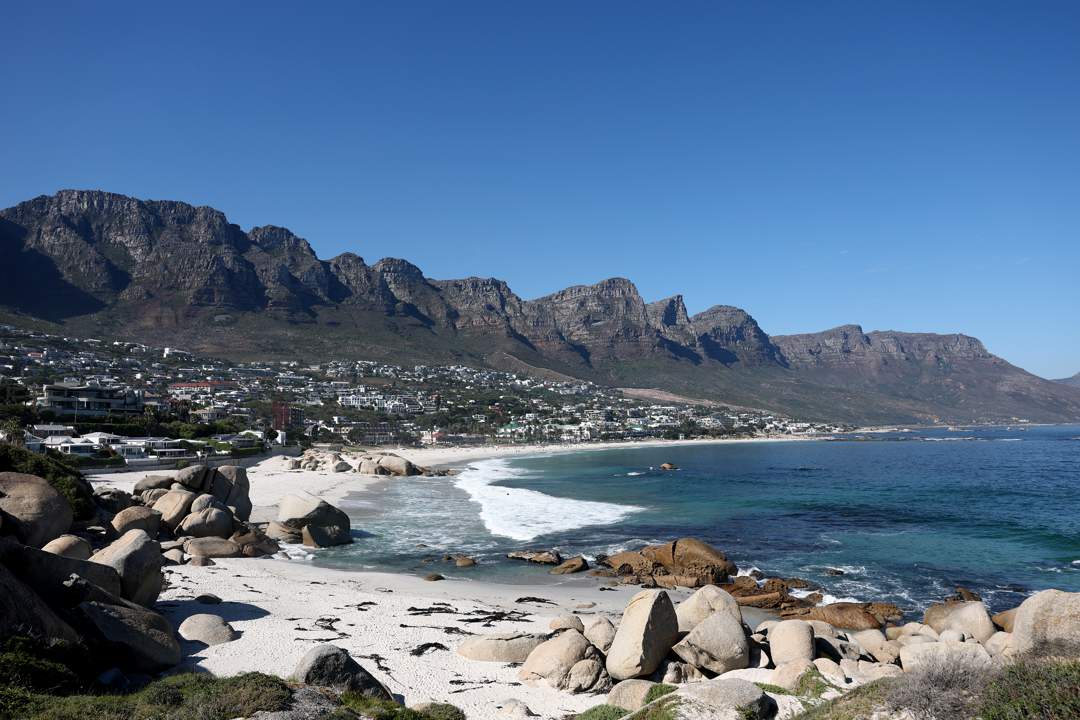
SA’s Ultra-Rich Doubled Their Property Buying in a Year: Analyzing the Surge in Luxury Real Estate
In a striking divergence from the broader economic headwinds facing the majority of South Africans, the country’s wealthiest individuals have aggressively pivoted toward real estate. Recent data indicates that SA’s ultra-rich doubled their property buying in a year – News24 reported on the trend, highlighting a massive influx of capital into high-end residential and commercial assets. While the average homeowner grapples with fluctuating interest rates and a stagnant economy, the ultra-high-net-worth individual (UHNWI) is treating the current market as a prime opportunity for accumulation.
This surge is not merely a coincidence of timing but a strategic maneuver. By doubling their acquisitions, the ultra-wealthy are not just buying homes; they are hedging against currency volatility, diversifying their portfolios away from traditional equities, and capitalizing on a market where “trophy assets” remain scarce. This trend signals a deeper shift in how wealth is being managed and preserved within the Southern African context, reflecting a broader continental movement toward self-made fortunes and strategic asset allocation.
The Mechanics of the Luxury Property Boom
To understand why the ultra-wealthy are doubling down on property, one must look at the specific nature of the luxury market. Unlike the middle-market sector, which is highly sensitive to mortgage rate hikes, the ultra-luxury segment is primarily driven by cash transactions. For those with liquid assets in the hundreds of millions, a 1% or 2% increase in interest rates is a negligible factor compared to the long-term appreciation of a prime piece of land in Constantia, Bishopscourt, or Sandton.
The doubling of acquisitions suggests a “flight to quality.” In periods of political or economic uncertainty, investors move their money into tangible assets that have intrinsic value. Real estate, particularly in secure, high-demand enclaves, serves as a “safe haven.”
Key Drivers of Increased Acquisition
- Currency Hedging: With the Rand often experiencing significant volatility, investing in hard assets provides a buffer against inflation and currency devaluation.
- Portfolio Diversification: After a period of high performance in tech and financial equities, many UHNWIs are rebalancing their portfolios to include more “bricks and mortar.”
- The “Trophy Asset” Phenomenon: There is a limited supply of ultra-prime properties. When a rare estate hits the market, the ultra-rich often compete aggressively, leading to a spike in transaction volumes.
- Lifestyle Migration: A shift toward “lifestyle estates” that offer integrated security, leisure, and wellness facilities has created a new category of high-value demand.
“The luxury property market operates on a different set of rules than the residential market. While the general public sees a downturn, the ultra-wealthy see a discount on assets that will inevitably appreciate over a ten-year horizon.”
The Rise of the Self-Made Fortune in Africa
A critical component of this buying spree is the profile of the buyer. There is a notable shift occurring across the continent, and specifically in South Africa, where wealth is increasingly “built, not inherited.” Historically, the upper echelons of South African wealth were tied to ancestral land ownership and colonial-era industrial monopolies. However, a new wave of wealth is emerging from entrepreneurship, technology, specialized finance, and global trade.
These self-made millionaires and billionaires approach property acquisition differently than the “old money” elite. They are more likely to view property as a scalable investment vehicle rather than just a family legacy. This entrepreneurial mindset—characterized by aggressive growth and rapid diversification—is a primary reason why we are seeing a doubling of property buying within a single year.
Comparing Wealth Profiles: Old Money vs. New Wealth
| Feature | Inherited Wealth (Old Money) | Self-Made Wealth (New Money) |
|---|---|---|
| Investment Strategy: | Preservation and steady growth. | Aggressive accumulation and diversification. |
| Property Preference: | Historic estates, legacy family homes. | Modern luxury, high-tech smart homes, trophy assets. |
| Risk Tolerance: | Low to Moderate. | High (calculated risk). |
| Primary Source: | Trusts, land, long-term dividends. | Tech, FinTech, Mining, Logistics, Entrepreneurship. |
This transition toward self-made wealth is not unique to South Africa but is part of a broader African trend. From Nigeria to Kenya and Egypt, the rise of the “entrepreneurial class” is reshaping the urban landscapes of Africa’s major cities, leading to a boom in luxury developments and commercial real estate.

Strategic Implications: Why Now?
The timing of this surge—occurring while the broader economy faces challenges—is a classic example of “contrarian investing.” The ultra-rich often move in the opposite direction of the general market. When sentiment is low and the average buyer is hesitant, the ultra-wealthy find opportunities to negotiate better terms or acquire distressed assets from those who can no longer afford the upkeep of luxury estates.
The Role of Security and “Gated” Urbanism
One cannot discuss the surge in SA’s luxury property market without addressing the role of security. A significant portion of the doubled buying activity is concentrated in high-security estates. The demand for “fortress-like” living—where security, power redundancy (solar/generators), and water autonomy are integrated—has driven property values higher.
This “gated urbanism” creates a micro-economy within the city. The ultra-rich are essentially buying into private ecosystems that shield them from the systemic failures of public infrastructure. This makes these properties even more desirable and resilient to market crashes, further encouraging the doubling of acquisitions.
Impact on the Commercial Sector
While residential trophy homes get the most attention, the doubling of property buying also extends to boutique commercial spaces. The ultra-rich are investing in “A-grade” office spaces and specialized retail hubs. They are betting on the long-term recovery of urban centers, focusing on properties that can attract high-end international tenants.
Socio-Economic Consequences of the Wealth Gap
The fact that SA’s ultra-rich doubled their property buying in a year – News24 highlighted this trend, brings into sharp focus the widening wealth inequality in South Africa. While a small percentage of the population is rapidly accumulating tangible assets, a vast majority are struggling with housing insecurity and rising costs of living.
This disparity creates a complex economic paradox:
- Market Stimulation: On one hand, the surge in luxury buying stimulates the construction industry, creates jobs for high-end architects, interior designers, and estate managers.
- Asset Inflation: the aggressive buying of land and prime property by the ultra-rich can drive up land values, making it more tricky for the middle class to enter the property market.
- Social Tension: The visibility of extreme luxury acquisitions during a period of economic hardship can exacerbate social tensions and fuel political discourse regarding wealth taxes or land reform.
Economists suggest that this concentration of wealth in real estate can lead to “asset bubbles.” If the ultra-rich are buying properties not for their utility but purely as speculative stores of value, there is a risk that the luxury market could become decoupled from the actual economic reality of the country.
Common Misconceptions About the Luxury Property Surge
Notice several prevailing myths regarding how the ultra-wealthy invest in property during economic downturns. Clarifying these helps provide a more accurate picture of the market.
Myth 1: They are buying because they have “too much cash”
While liquidity is necessary, the ultra-rich do not buy simply because they have cash. Every acquisition is a calculated move. They are moving capital from lower-yielding assets (like savings accounts or low-interest bonds) into assets with higher potential for capital appreciation and tax advantages.
Myth 2: All luxury property is appreciating
Not all high-end homes are equal. There is a massive difference between a “luxury” home in a declining suburb and a “trophy asset” in a prime location. The ultra-rich are specifically targeting the latter. They are not buying “expensive” houses; they are buying “irreplaceable” assets.
Myth 3: This trend is solely a South African phenomenon
This is part of a global trend where HNWIs are moving toward “hard assets” amid global inflation. Similar patterns have been observed in Dubai, London, and New York, where the ultra-wealthy use real estate as a global currency.

The Future of High-Net-Worth Real Estate in SA
Looking forward, the trajectory of luxury property buying will likely be influenced by three main factors: legislative changes, technological integration, and the continued rise of the self-made entrepreneur.
First, any shift in tax policy—such as the introduction of a wealth tax or changes to capital gains tax—could either dampen this surge or accelerate it (as buyers rush to lock in assets before new laws take effect). Second, the integration of “Green Luxury”—homes that are entirely off-grid and carbon-neutral—is becoming a requirement rather than a luxury. Properties that lack sustainable infrastructure will likely see a decline in value, while those that embrace it will command an even higher premium.
Finally, the influence of the “New Wealth” class will continue to reshape the aesthetic and functional requirements of luxury homes. We are seeing a move away from the ostentatious “palaces” of the past toward “minimalist luxury”—homes that emphasize wellness, privacy, and seamless integration with technology.
For those tracking the economy, the property acquisitions of the ultra-rich serve as a leading indicator. Their confidence in real estate suggests a belief in the long-term viability of South Africa’s prime locations, even if the short-term macroeconomic outlook remains challenging.
Frequently Asked Questions
Why did SA’s ultra-rich double their property buying in a single year?
The increase is primarily driven by a desire to hedge against inflation and currency volatility. By moving liquid capital into “trophy assets” and high-end real estate, the ultra-wealthy protect their purchasing power and diversify their portfolios away from volatile stock markets.

Is this trend related to the rise of self-made millionaires in Africa?
Yes. There is a growing trend of wealth creation through entrepreneurship and industry innovation across Africa. These self-made individuals tend to be more aggressive in their investment strategies and more likely to accumulate diverse property portfolios than those who inherited their wealth.
Does the surge in luxury buying help the broader economy?
It has a mixed impact. It provides a boost to the high-end construction and service sectors (architecture, interior design, luxury landscaping). However, it can also contribute to asset inflation, making land and prime real estate less accessible to the general population.
What are “trophy assets” in the context of South African real estate?
Trophy assets are unique, high-value properties that are highly sought after due to their location, history, or architectural significance. Examples include waterfront estates in Clifton or massive luxury holdings in Sandton. These properties often hold their value better than standard luxury homes.
How do high interest rates affect the ultra-rich’s ability to buy property?
Generally, they do not. Most ultra-high-net-worth individuals make cash purchases or have access to specialized financing that is not subject to the same pressures as standard residential mortgages. For them, high interest rates may actually make the market more attractive by reducing competition from middle-market buyers.
For more insights into the shifting dynamics of wealth, you might find a related explainer on African wealth trends or a guide to luxury asset diversification useful for understanding the broader economic landscape.
