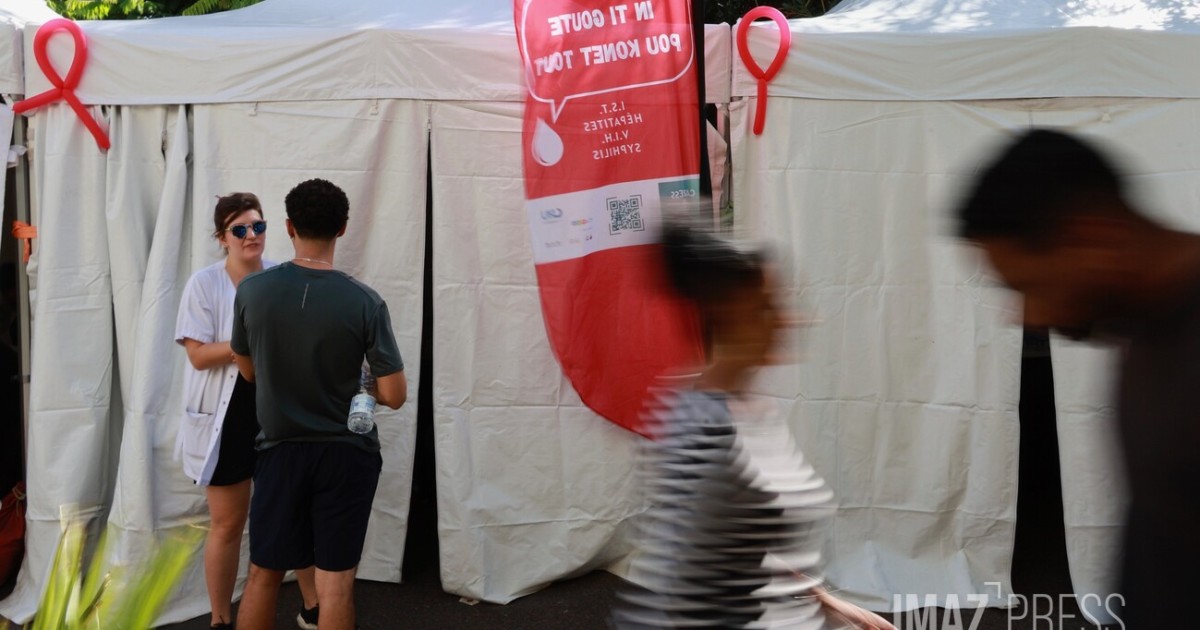
Public health advocates in Réunion are sounding the alarm over growing complacency toward HIV, warning that a dangerous normalization of the virus is undermining prevention efforts just as the island’s epidemic shows signs of resurgence.
The concern comes as local organizations report a rise in stigma-free discussions about HIV—often framed as a “manageable” or even “treatable” condition—while new infections among certain groups, particularly young adults, remain stubbornly high. Experts caution that this shift in perception, combined with persistent barriers to testing and treatment access, risks prolonging the epidemic in a region where healthcare systems are already strained.
Why the Warning?
Réunion’s HIV landscape has long been shaped by its unique demographics. As of January 2026, the island’s population of 910,985 reflects a mix of cultural influences, with French the official language and Réunion Creole widely spoken. Yet beneath this diversity lies a public health challenge: while antiretroviral therapies have transformed HIV from a death sentence to a chronic condition, the virus continues to spread, particularly in communities where testing rates lag and misinformation thrives.
“We’re seeing a troubling disconnect,” said a spokesperson for a local HIV advocacy group. “People assume HIV is no longer a serious threat because of medication. But without consistent testing, early diagnosis, and adherence to treatment, we’re not just failing individuals—we’re failing to stop transmission.”
Who Is Most at Risk?
Data from recent public health reports indicate that young adults, particularly those aged 18 to 30, are driving the increase in new infections. Factors contributing to this trend include:
- Stigma and misinformation: Persistent stereotypes about HIV—such as the belief that it only affects certain populations—have led some to dismiss the need for regular testing or prevention strategies.
- Barriers to care: Even in a French overseas department with universal healthcare, logistical challenges, such as transportation to clinics or long wait times, can delay testing and treatment.
- Normalization of risk behaviors: Advocates note that casual attitudes toward unprotected sex, fueled in part by the perception that HIV is “uncomplicated to manage,” have contributed to rising infection rates.
While overall HIV prevalence in Réunion remains lower than in some mainland French regions, health officials emphasize that localized outbreaks can quickly escalate without targeted interventions. The island’s geographic isolation and limited healthcare infrastructure mean that even small increases in transmission can overwhelm local resources.
What the Experts Are Saying
Public health authorities in Réunion have repeatedly stressed that HIV remains a critical issue, not just a medical but a social and economic one. “The virus doesn’t discriminate, and neither should our response,” stated a regional health official. “We need to move beyond the idea that HIV is ‘under control’ and focus on prevention, testing, and treatment as a continuum.”
Organizations like Sidaction, which supports HIV research and advocacy both in France and globally, have highlighted Réunion as a case study in how complacency can derail progress. According to recent data from UNAIDS, over 5 million people worldwide remain unaware they are living with HIV—underscoring the global need for sustained vigilance.
What’s Next for Réunion?
Local health departments are ramping up outreach programs aimed at young adults, with a focus on:
- Expanding free and anonymous HIV testing in community settings, including schools and workplaces.
- Launching targeted campaigns to debunk myths about HIV transmission and treatment.
- Strengthening partnerships with NGOs to ensure marginalized groups—such as men who have sex with men and sex workers—have equal access to care.
Yet challenges remain. Advocates warn that without a shift in public perception—one that treats HIV as a persistent, not a vanishing, threat—Réunion risks repeating the mistakes of other regions where early successes in HIV control were later undermined by complacency.
For now, the message from health officials is clear: HIV may be treatable, but We see not yet defeated. And in Réunion, the fight to keep it from resurging is far from over.
