
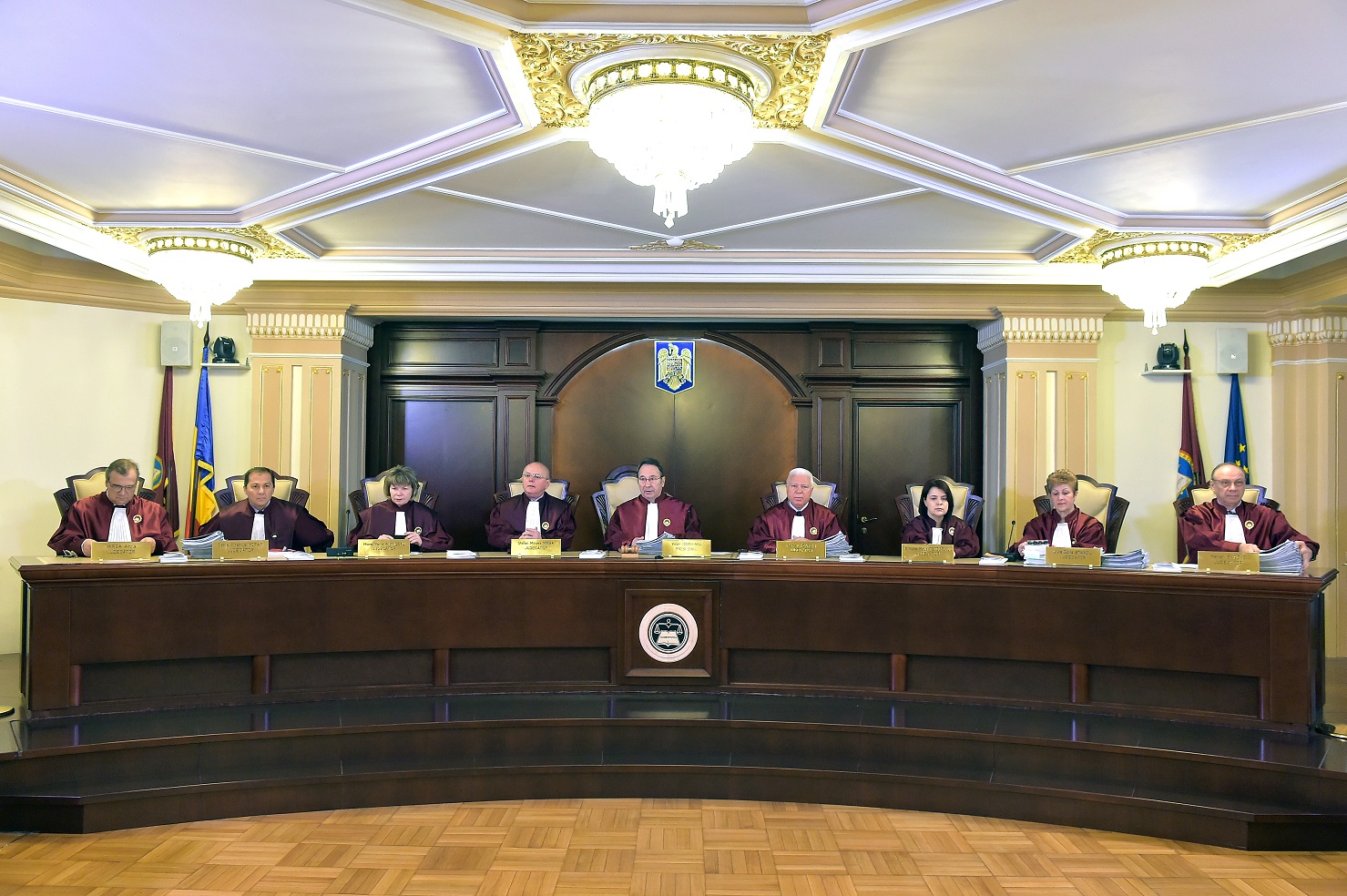
A Romanian court has struck down a government decree that defined “exceptionally severe epidemics” as a category requiring ministerial declaration, ruling that the legal basis for such classifications was unconstitutional. The decision, announced by the Constitutional Court, reshapes how public health emergencies are legally recognized and declared in the country.
What the ruling changes
The decree, issued by Romania’s Ministry of Health in 2021, had allowed officials to classify outbreaks as “exceptionally severe” through ministerial orders—a process the court now calls arbitrary. Judges ruled that the classification system lacked clear legal criteria and violated the principle of judicial oversight in public health decisions. The ruling does not invalidate past declarations but removes the legal framework that enabled them.
Health officials had used the decree during the COVID-19 pandemic to impose stricter measures, including lockdowns and vaccination mandates, without parliamentary approval. The court’s decision requires future emergency declarations to follow a stricter legislative process, potentially slowing response times during outbreaks.
Why it matters for public health
The ruling reflects broader tensions between executive authority and judicial checks in Romania’s pandemic response. During the COVID-19 crisis, the government relied on emergency powers to bypass parliamentary scrutiny, a practice the court now limits. Legal experts say the decision could force future health crises to navigate slower legislative procedures, raising questions about how quickly Romania can respond to future outbreaks.
According to the Constitutional Court’s press release, the decree “created a legal vacuum” by allowing ministerial orders to override standard public health laws without judicial or parliamentary review. The ruling does not address whether past declarations—such as those during COVID-19—were lawful, but it sets a precedent for future emergencies.
Reactions and next steps
Romania’s Health Ministry has not yet commented on how it will adapt to the ruling. Legal scholars warn that the decision may complicate rapid responses to infectious disease threats, as stricter legislative processes could delay critical interventions. The court’s move aligns with similar rulings in other European nations, where courts have increasingly scrutinized emergency powers during public health crises.
For now, Romania’s public health framework remains in flux. The Ministry of Health must now clarify how it will classify and respond to future epidemics under the new legal constraints. Whether this will lead to faster or slower emergency responses remains unclear, but the ruling underscores the need for clearer legal pathways in public health law.
