Woodlands Checkpoint Gridlock: Heavy Departure Traffic and Queue-Cutting Crackdowns Amid Malaysia Tailbacks
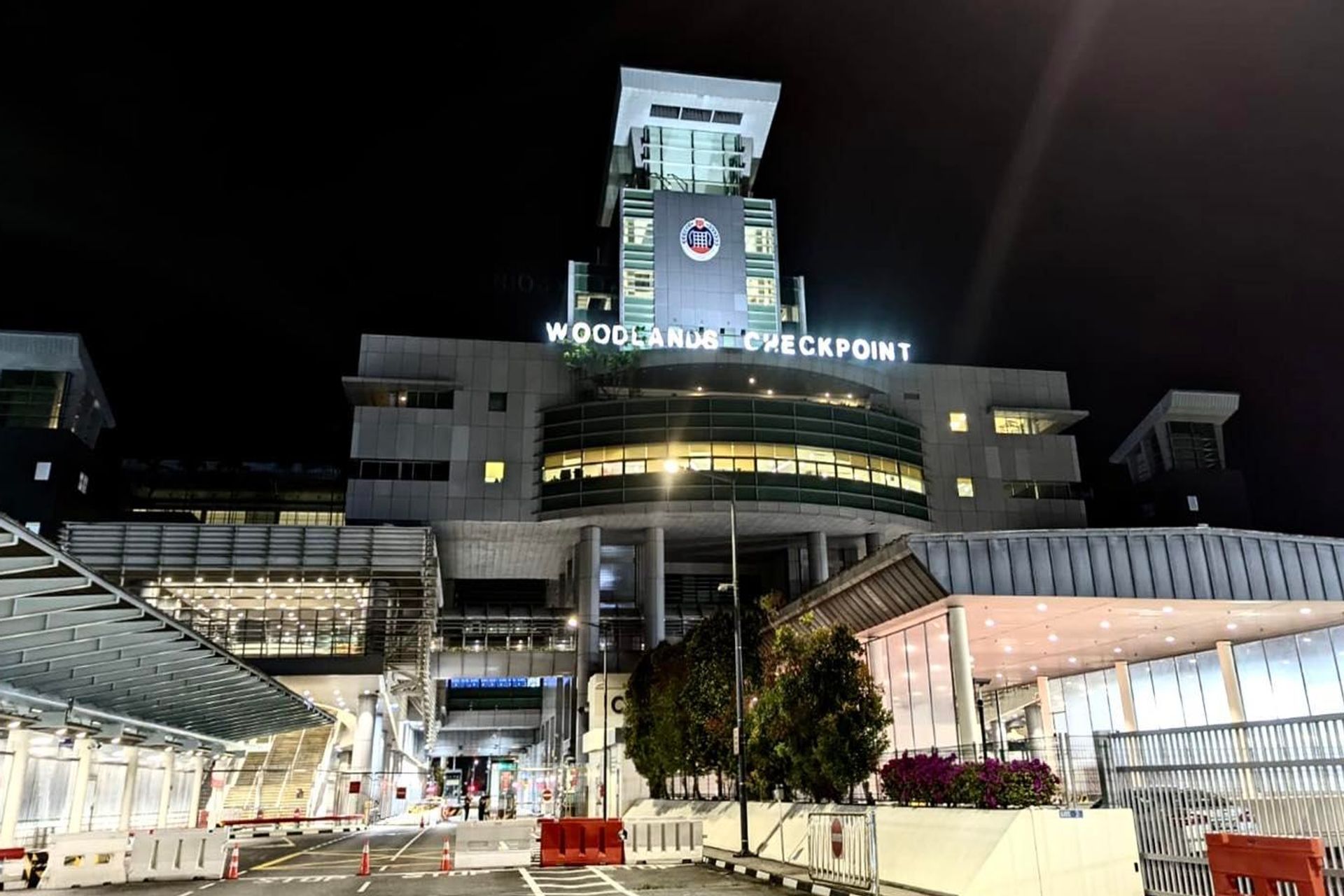
Singapore’s Immigration and Checkpoints Authority (ICA) has warned of prolonged delays at the Woodlands and Tuas checkpoints through June 28. This follows reports of heavy departure traffic at Woodlands Checkpoint amid tailback from Malaysia, with 30 motorists recently penalized for queue-cutting and illegal turns during the Vesak Day long weekend.
Why is there heavy departure traffic at Woodlands Checkpoint?
The current congestion is primarily driven by a combination of holiday travel surges and systemic bottlenecks. According to reports from AsiaOne, the heavy departure traffic at Woodlands Checkpoint is occurring amid a significant tailback originating from the Malaysian side of the border. When traffic slows or halts on the Malaysian side, the effect ripples backward, filling the departure lanes in Singapore and creating a standstill that can last for hours.
This specific period of congestion coincides with the Vesak Day long weekend, a time when travel between Singapore and Malaysia typically peaks. The synergy of a public holiday and the existing tailback from Malaysia creates a “perfect storm” for motorists, leading to the gridlock observed at the land crossings.
To manage these expectations, the ICA has issued official warnings. As reported by NST Online, the authority has cautioned travelers to expect delays at both the Woodlands and Tuas checkpoints, with these conditions expected to persist until June 28.
| Key Detail | Information |
|---|---|
| Primary Cause | Tailback from Malaysia combined with holiday travel |
| Affected Areas | Woodlands Checkpoint and Tuas Checkpoint |
| Critical Period | Vesak Day long weekend |
| Expected Duration | Until June 28 (per ICA warning) |
Motorists penalized for queue-cutting and illegal turns
High-stress traffic environments often lead to impulsive decision-making by drivers. During the recent Vesak Day long weekend, authorities took a hard line against those attempting to bypass the congestion. According to The Straits Times and The Star, 30 motorists were caught and penalized for queue-cutting and other related offenses at the Woodlands Checkpoint.
The nature of these offenses varies, but the goal is usually the same: to shave minutes off a multi-hour wait. As detailed by mustsharenews.com, the infractions included not only queue-cutting but also making illegal turns to enter the checkpoint lanes. These actions do more than just cheat the system; they create additional hazards and further disrupt the flow of traffic, often causing secondary bottlenecks for law-abiding drivers.
“Thirty motorists caught for queue-cutting & illegal turns at Woodlands Checkpoint during Vesak Day weekend.” — mustsharenews.com
The crackdown serves as a reminder that checkpoint security and traffic management are strictly enforced. Queue-cutting is viewed not merely as a traffic violation but as a disruption of border security protocols, as it interferes with the orderly processing of vehicles and passengers.
The impact of illegal maneuvers on traffic flow
When a driver performs an illegal turn or cuts into a lane, it forces other motorists to brake abruptly. In a densely packed environment like the Woodlands Checkpoint, a single sudden stop can trigger a “phantom traffic jam,” where the ripple effect of braking slows down hundreds of vehicles behind the initial incident. This exacerbates the already heavy departure traffic and increases the frustration levels of all commuters.
- Safety Risks: Illegal turns increase the likelihood of side-swipe collisions in narrow lanes.
- Operational Delays: Officers must divert attention from processing travelers to manage disputes or accidents caused by queue-cutters.
- Psychological Toll: Seeing others “skip the line” often encourages more drivers to attempt the same, leading to a breakdown in order.
Analyzing the Singapore-Malaysia border dynamics
The land crossing between Singapore and Malaysia is one of the busiest in the world. The Woodlands Checkpoint, in particular, handles a massive volume of daily commuters, tourists, and logistics vehicles. Understanding why these delays occur requires a look at the structural and social factors at play.
The role of public holidays
The timing of the Vesak Day long weekend is a critical factor. In Southeast Asia, synchronized or near-synchronized public holidays between Singapore and Malaysia lead to massive migrations of people visiting family or taking short vacations. Because the infrastructure of the Causeway has a finite capacity, any surge in volume beyond the baseline leads to exponential increases in wait times.
Woodlands vs. Tuas: The diversion strategy
When heavy departure traffic hits Woodlands, the ICA often encourages motorists to divert to the Tuas Checkpoint. While Tuas is typically further for those living in the north or center of Singapore, it often provides a faster alternative during peak periods at Woodlands. However, as noted in the warning reported by NST Online, delays were expected at both checkpoints, suggesting a systemic increase in cross-border volume that affected the entire land link.
For those planning travel, staying updated on real-time traffic cameras and official ICA advisories is the only way to choose the most efficient route. related explainer on managing border crossing times.
The consequences of border congestion
The impact of these delays extends beyond simple frustration. For many, the Singapore-Malaysia border is a vital artery for economic and social activity.
Economic implications
Many logistics companies rely on the timely movement of goods across the Causeway. Tailbacks from Malaysia that lead to heavy departure traffic in Singapore can delay shipments, affecting supply chains for perishable goods and time-sensitive deliveries. While passenger cars are the most visible victims of the Vesak Day gridlock, the commercial sector also feels the pinch of these delays.
Social and psychological stress
Spending several hours in a stationary vehicle is a significant stressor. This environment is often where the “queue-cutting” behavior originates. The desperation to reach a destination, combined with the heat and confinement of a car, can lead to the types of offenses reported by The Straits Times. The subsequent penalties—which can include fines or other legal actions—often outweigh the few minutes saved by cutting the line.
How to navigate heavy traffic at the checkpoints
Given that the ICA has warned of delays until June 28, travelers should adopt a strategic approach to crossing the border. Relying on “luck” during a long weekend or a period of Malaysian tailbacks is rarely successful.
Strategic timing
Historically, the worst congestion occurs during the early morning hours of the departure day and the late evening of the return day. Travelers can often find more fluidity by crossing during “off-peak” windows—typically mid-morning or very late at night—though this is less predictable during major holiday windows like Vesak Day.
Utilizing official tools
The ICA provides various tools to help motorists gauge the situation before they leave their homes. Checking the official traffic cameras allows drivers to see the actual length of the tailback. If the Woodlands lanes are visibly saturated, diverting to Tuas—even if it adds mileage—can often save hours of idling.
Maintaining compliance
The recent arrest of 30 motorists highlights the risk of attempting to “game” the system. The checkpoints are heavily monitored by CCTV and ground personnel. The risk of being caught for queue-cutting or illegal turns is high, and the penalties are strictly enforced to maintain the integrity of the border process.
Essential checklist for long-weekend travel:
- Check ICA Alerts: Look for warnings regarding specific dates (e.g., the June 28 deadline).
- Monitor Both Gates: Compare Woodlands and Tuas traffic in real-time.
- Fuel and Supplies: Ensure vehicles have enough fuel to handle hours of idling in heavy traffic.
- Patience: Accept that long-weekend travel involves inherent delays; avoid illegal maneuvers that could lead to fines.
Common misconceptions about checkpoint delays
There are several common myths regarding why the Woodlands Checkpoint becomes congested. Clearing these up can help travelers make better decisions.
Myth 1: “The delay is always caused by Singapore’s processing speed.”
In reality, as highlighted by AsiaOne, many delays are caused by “tailbacks from Malaysia.” This means the congestion is occurring on the other side of the border, and Singaporean vehicles are simply stuck in the queue waiting for the Malaysian side to clear. No matter how fast the Singaporean ICA processes a car, the vehicle cannot move forward if the road in Malaysia is blocked.
Myth 2: “Queue-cutting only slows down a few people.”
Queue-cutting disrupts the entire lane’s flow. It often leads to arguments between drivers, which can physically block the lane, and it forces officers to stop the flow of traffic to handle the offender, creating a bottleneck that affects everyone behind them.
Myth 3: “Tuas is always faster.”
While Tuas is often a good alternative, during major holiday surges, it can become just as congested as Woodlands. The ICA’s warning that delays would affect both checkpoints until June 28 indicates that the volume of travelers sometimes exceeds the capacity of the entire land link, regardless of the specific gate used.
Frequently Asked Questions
Until when are the delays at Woodlands and Tuas checkpoints expected?
According to reports from NST Online, the Immigration and Checkpoints Authority (ICA) has warned that delays may persist until June 28.
What happened during the Vesak Day long weekend at Woodlands Checkpoint?
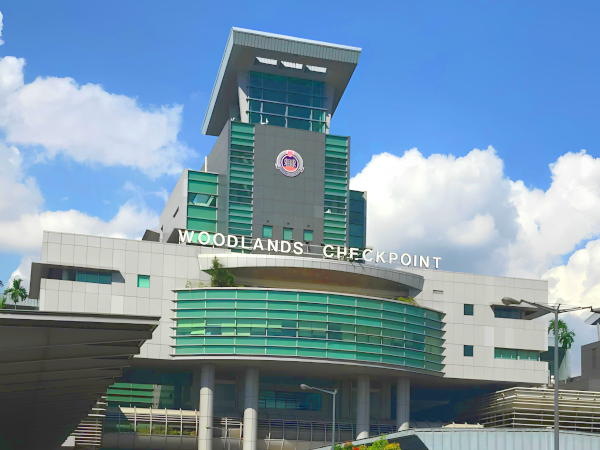
The checkpoint experienced heavy departure traffic due to a tailback from Malaysia. During this period, 30 motorists were caught by authorities for offenses including queue-cutting and making illegal turns, as reported by The Straits Times and mustsharenews.com.
What is the cause of the “tailback from Malaysia” mentioned in news reports?
A tailback occurs when traffic slows down or stops on the Malaysian side of the border. Because the road is a single corridor (the Causeway), this blockage prevents vehicles in the Singaporean departure lanes from moving forward, resulting in heavy traffic within Singapore.
Which checkpoint should I use to avoid traffic?
There is no guaranteed “fast” gate during peak holidays. However, motorists are encouraged to check real-time traffic cameras and ICA advisories to compare the current congestion levels at Woodlands and Tuas before deciding on a route.
What are the risks of queue-cutting at the border?
As seen during the Vesak Day weekend, authorities actively monitor for queue-cutting and illegal turns. Motorists caught engaging in these behaviors face penalties and fines, and their actions contribute to further traffic delays for all users.
