
Parliament leaders adopt draft proposal for imperial succession – The Japan Times
Japan’s parliament leaders have reached a consensus on a draft proposal to revise the Imperial Family law, aiming to resolve a looming succession crisis. While the National Diet seeks a legislative path forward, current discussions appear to be at odds with widespread public support for a female monarch.
What is the draft proposal for imperial succession?
According to reports from The Japan Times and Mainichi Shimbun, speakers within the Japanese parliament have developed a draft consensus focused on the revision of the Imperial Family law. This proposal represents a coordinated effort by legislative leaders to stabilize the line of succession and ensure the continuity of the monarchy.
The focus of these talks is to modernize or adjust the rules that govern who can ascend to the throne and who remains a member of the Imperial Family. By creating a draft proposal, parliament leaders are attempting to establish a unified political front before the legislation moves toward a formal vote in the National Diet.
Key elements of this legislative push include:
- Establishing Consensus: Utilizing parliament speakers to bridge gaps between different political factions.
- Legal Framework Revision: Updating the Imperial Family law to address the shrinking number of eligible heirs.
- Stability Measures: Implementing rules that prevent a total vacancy in the line of succession.
Why is Japan facing a succession crisis?
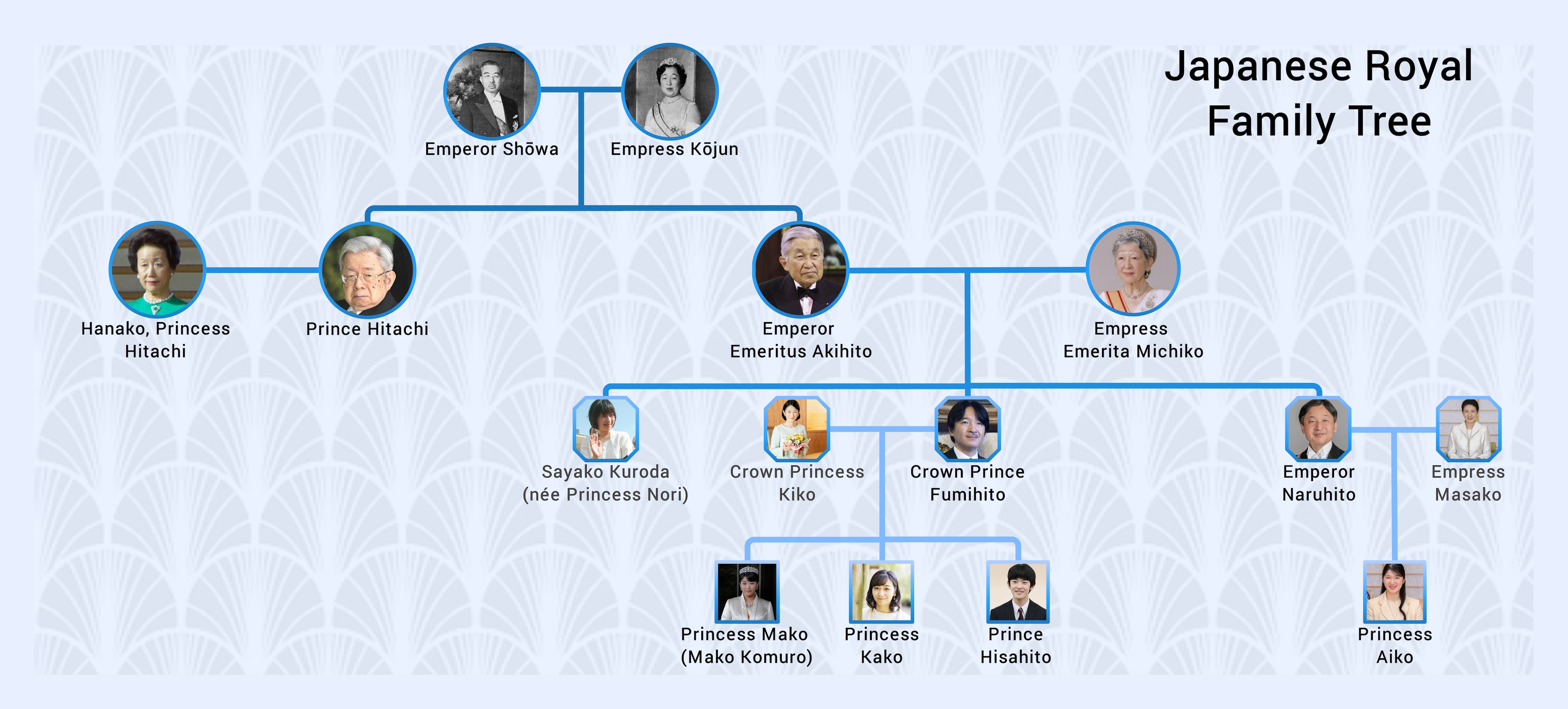
The urgency behind these legislative moves is driven by what Tempo.co English and VOI.ID describe as a “succession crisis.” The current rules of the monarchy are restrictive, limiting the throne to male descendants in the male line. As the number of male members in the Imperial Family dwindles, the possibility of the monarchy ending abruptly has become a tangible concern for the state.
This crisis is not merely a matter of tradition but a structural vulnerability. Without a sufficient number of eligible heirs, the monarchy faces a precarious future. The “Crisis of the Crown Prince,” as noted by VOI.ID, serves as a primary catalyst for the current drive to revise imperial rules.
The following table illustrates the tension between the current state of the monarchy and the goals of the proposed revisions:
| Current Situation | Proposed Goal (via Law Revision) |
|---|---|
| Strict male-only succession rules. | Expanded eligibility to ensure continuity. |
| Dwindling number of male heirs. | Sustainable pool of future successors. |
| Legislative deadlock on family laws. | Parliamentary consensus on a draft proposal. |
The disconnect between Diet talks and public opinion
While parliament leaders are working toward a legal consensus, the nature of that consensus is a point of contention. Asahi Shimbun reports that the discussions taking place within the Diet are “at odds” with the views of the Japanese public, specifically regarding the possibility of a female monarch.

A significant portion of the population supports the idea of an Empress Regnant—a woman who reigns in her own right. However, the legislative proposals being drafted by parliament leaders often lean toward more conservative interpretations of tradition or alternative solutions that may not fully embrace female succession.
The tension between traditionalist legislative views and modern public sentiment creates a complex political environment where the “correct” solution for the monarchy’s survival remains fiercely debated.
This gap suggests that while a “consensus” may be reached among political leaders, it may not necessarily reflect the will of the people. This discrepancy could lead to future challenges in the legitimacy or popularity of the revised laws if they are perceived as ignoring the social shift toward gender equality.
How the National Diet handles Imperial Family law revisions
The process of revising the Imperial Family law is a high-stakes political maneuver. Because the monarchy is a symbol of the state, any change to its fundamental rules requires more than just a simple majority; it requires a level of stability and broad agreement to avoid shaking the foundations of the institution.
The role of the parliament speakers is critical in this process. By drafting a consensus before the bill is formally introduced, they aim to minimize public friction and party infighting. This “top-down” approach is a common feature of Japanese political negotiations, where the framework is agreed upon by leaders before being presented for wider approval.
The revision process typically involves:
- Informal Consultations: Leaders from the ruling and opposition parties discuss potential compromises.
- Drafting the Consensus: Parliament speakers formalize these discussions into a draft proposal.
- Legislative Review: The proposal is vetted by committees within the National Diet.
- Formal Vote: The revised law is passed through the House of Representatives and the House of Councillors.
For those interested in the broader governance of the country, a related explainer on the National Diet’s legislative process may provide further context on how such sensitive laws are handled.
Potential implications of the revised imperial rules
The adoption of a draft proposal marks a turning point in the effort to save the monarchy from its current demographic crisis. Depending on the final wording of the law, the implications could be profound.
Short-term impacts
In the immediate future, the adoption of a consensus provides a roadmap for the government. It signals to the Imperial Household and the public that the state is taking active steps to prevent a succession vacuum. It also reduces the immediate political pressure on the Crown Prince by providing a structured plan for the future.
Long-term impacts
Long-term, the revision of the Imperial Family law will define the face of the Japanese monarchy for generations. If the laws remain strictly patriarchal, the monarchy may continue to shrink, potentially requiring the adoption of distant relatives to fill the ranks. Conversely, if the laws shift to allow female succession, it would represent one of the most significant cultural shifts in Japan’s modern history, aligning the monarchy with contemporary values of gender equality.
The conflict highlighted by Asahi Shimbun suggests that the long-term stability of the throne depends not just on the law, but on the monarchy’s ability to remain relevant and supported by the people it symbolizes.
Common misconceptions about the succession crisis
There are several frequent misunderstandings regarding the current state of the Imperial Family and the proposed legal changes.
Misconception: The crisis is only about who becomes the next Emperor.
In reality, the crisis is also about the survival of the Imperial Family as a whole. The law governs not only the Emperor but also the supporting members of the family. If the family shrinks too much, the monarchy loses its ability to perform its various ceremonial and social duties.
Misconception: The public is divided on the issue of a female monarch.
While there are traditionalists, reports from Asahi Shimbun indicate a strong current of public support for a female monarch, suggesting that the “division” is more prominent among political leaders in the Diet than among the general citizenry.
Misconception: A draft proposal is the same as a new law.
A draft proposal is a statement of intent and a framework for agreement. It must still undergo a rigorous legislative process within the National Diet before it becomes legally binding.
Frequently Asked Questions
What is the main goal of the draft proposal for imperial succession?
The primary goal is to revise the Imperial Family law to address a succession crisis, ensuring that there are enough eligible heirs to maintain the continuity of the Japanese monarchy.
Why is there a conflict between the Diet and the public?
According to Asahi Shimbun, the conflict arises because many members of the public support the idea of a female monarch, whereas the discussions among parliament leaders in the Diet may not fully align with this preference.
Who is leading the effort to revise the Imperial Family law?
The effort is being led by parliament speakers and leaders within the National Diet, who are working to create a consensus on how to handle the succession crisis.
What happens if the Imperial Family law is not revised?
As noted by Tempo.co English and VOI.ID, failure to revise the rules could lead to a continuation of the succession crisis, potentially leaving the throne without a clear, eligible heir in the future.
Does the draft proposal automatically allow for a female Emperor?
The provided reports indicate that the draft is a “consensus” on revision, but they also highlight that the Diet’s talks are “at odds” with support for a female monarch, suggesting that female succession is a point of significant debate rather than a settled part of the proposal.
