U.S. Intelligence Warns Israel May Undermine Iran Peace Deal, Officials Say
U.S. intelligence agencies have assessed that Israel is likely to take actions that could destabilize ongoing negotiations aimed at curbing Iran’s nuclear ambitions, according to senior officials briefed on the matter. The warning, reported by multiple government sources, highlights growing concerns about the potential for regional escalation as diplomatic efforts progress.
What Led to the Intelligence Assessment?
The U.S. intelligence community’s evaluation stems from a combination of intercepted communications, satellite imagery, and insights from Israeli military and political analysts. While the exact details of the assessment remain classified, officials have acknowledged that Israel’s long-standing opposition to a comprehensive agreement with Iran has fueled these concerns.
Historically, Israel has viewed Iran’s nuclear program as an existential threat, a stance that has shaped its foreign policy for decades. Recent diplomatic overtures between the U.S. and Iran, including discussions on rejoining the 2015 nuclear deal, have intensified scrutiny of Israel’s potential response. “Israel’s security apparatus has consistently prioritized preemptive measures against perceived threats,” said a senior defense analyst, speaking on condition of anonymity.
Key Players and Their Stances
The situation involves a complex web of actors, including the U.S. government, Israeli leadership, Iranian officials, and international mediators. The Biden administration has emphasized the importance of a multilateral approach to nuclear non-proliferation, while Israeli Prime Minister Benjamin Netanyahu has publicly criticized any agreement that does not address Iran’s regional activities and ballistic missile capabilities.
Iran’s supreme leader, Ayatollah Ali Khamenei, has maintained a firm stance against concessions, insisting that any deal must guarantee Iran’s right to peaceful nuclear technology. Meanwhile, U.S. diplomats have sought to balance these demands with Israel’s security concerns, a task complicated by divergent strategic priorities.
Israel’s Strategic Dilemma
Israeli officials have repeatedly stated their commitment to preventing Iran from acquiring nuclear weapons. However, the prospect of a renewed deal has sparked internal debates about how to reconcile this goal with the need to avoid further destabilizing the Middle East. Some analysts argue that Israel could resort to covert operations or targeted strikes to disrupt Iran’s nuclear infrastructure, while others warn that such actions risk triggering a broader conflict.

“The Israeli government faces a difficult choice between immediate security imperatives and the long-term consequences of undermining diplomacy,” said Dr. Rachel Cohen, a Middle East security expert at the Center for Strategic Studies. “Any move that destabilizes the negotiations could have far-reaching repercussions for regional stability.”
Historical Context and Precedents
Israel’s relationship with Iran has evolved significantly over the years. Once a relative ally under the Shah, the two nations became adversaries after the 1979 Iranian Revolution. The 2015 Joint Comprehensive Plan of Action (JCPOA), which limited Iran’s nuclear program in exchange for sanctions relief, was initially supported by Israel’s government. However, the U.S. withdrawal from the deal under the Trump administration in 2018 and the subsequent reimposition of sanctions led to a shift in Israeli policy.
Recent efforts to revive the JCPOA have reignited tensions. In 2023, U.S. and Iranian representatives held indirect talks in Baghdad, facilitated by Iraqi and European intermediaries. These discussions have been met with skepticism from Israeli officials, who argue that the deal would not sufficiently address Iran’s ballistic missile program or its support for proxy groups in the region.
Previous Escalations and Their Impact
Historical examples underscore the risks of miscalculation. In 2020, the U.S. assassination of Iranian General Qasem Soleimani in Baghdad led to a rapid escalation of hostilities, with Iran launching missile attacks on U.S. bases in Iraq. This incident highlighted the volatility of the region and the potential for diplomatic efforts to be derailed by unilateral actions.
Similarly, Israel’s 2012 cyberattack on Iran’s nuclear facilities, known as Operation Olympic Games, demonstrated the country’s willingness to employ unconventional tactics to achieve strategic objectives. While the attack delayed Iran’s nuclear progress, it also fueled Iranian resentment and strengthened hardline factions within the regime.
Implications for Regional Stability
The potential for Israel to undermine a U.S.-led Iran deal carries significant risks. A breakdown in negotiations could lead to renewed nuclear proliferation, increased proxy conflicts, and a deterioration of U.S.-Israel relations. Conversely, if Israel refrains from direct interference, the deal could proceed, potentially altering the balance of power in the Middle East.
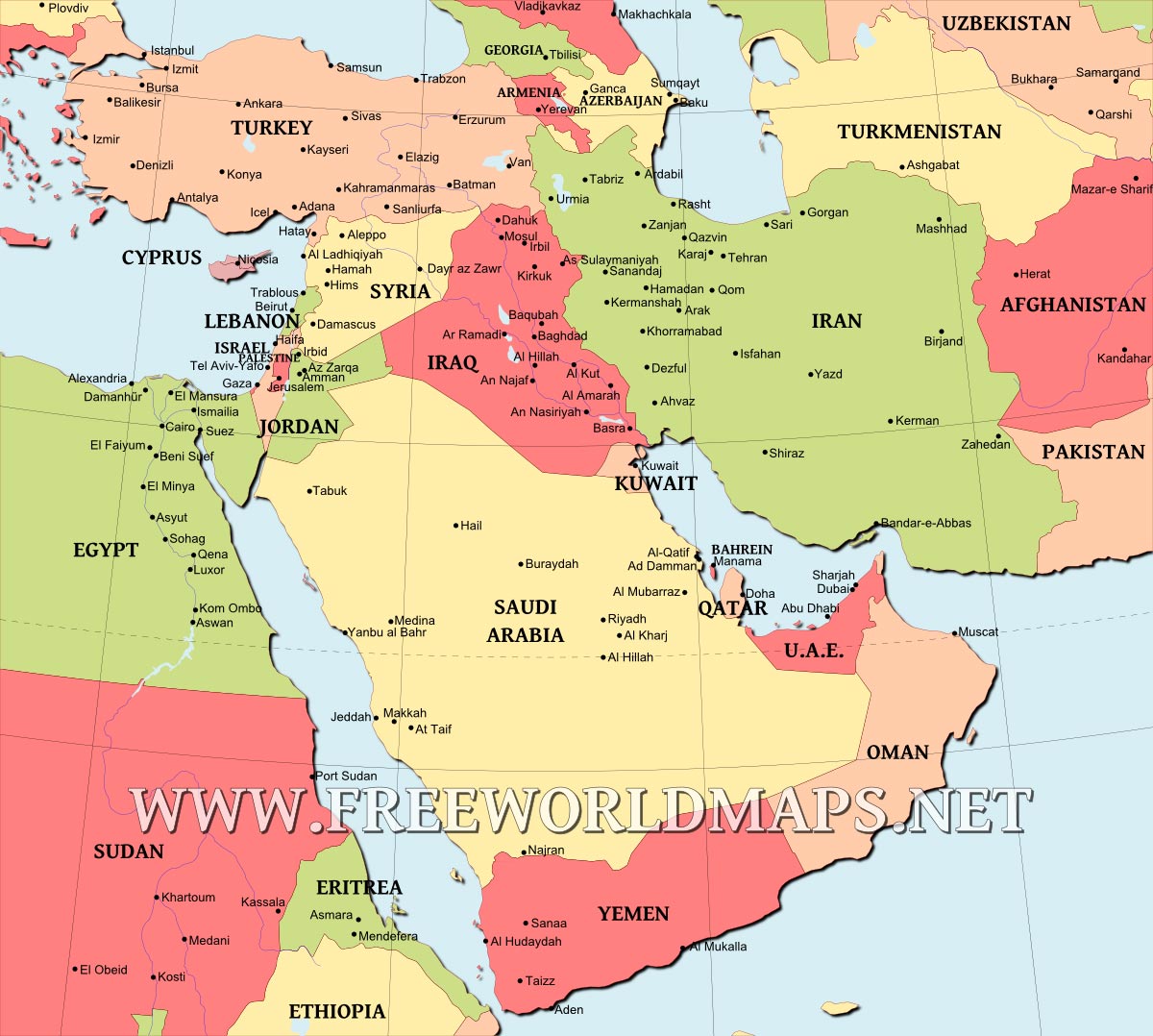
Regional allies of Israel, including Gulf states, have expressed concern about the implications of a renewed Iranian nuclear capability. Saudi Arabia and the United Arab Emirates, which have sought closer ties with the U.S., have emphasized the need for a comprehensive agreement that addresses both nuclear and conventional threats.
Economic and Security Consequences
The economic ramifications of a failed deal could be profound. Iran’s reintegration into the global economy, contingent on compliance with nuclear restrictions, would likely boost regional trade and investment. However, if negotiations collapse, Iran may accelerate its nuclear program, leading to renewed sanctions and economic isolation.
From a security perspective, the absence of a deal could embolden Iran’s military activities in the region. Analysts warn that this could lead to increased tensions with Israel, the U.S., and Gulf states, potentially triggering a cycle of retaliation and counter-retaliation that
