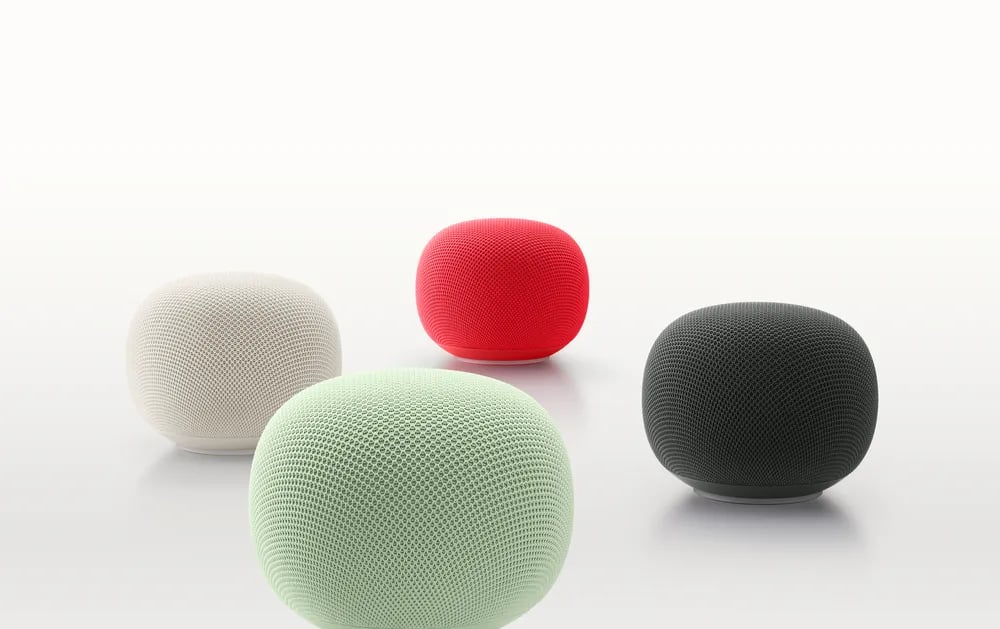
Google Unveils $99 Gemini-Powered Smart Speaker, Aiming to Compete in the Smart Home Market
Google has officially launched its latest smart home device, the Gemini-powered Google Home speaker, priced at $99. The product marks a significant step in the company’s efforts to strengthen its position in the competitive smart speaker market. According to internal sources, the device is designed to leverage the advanced capabilities of Google’s Gemini AI model, offering users enhanced voice recognition, natural language processing, and integrated smart home control. The speaker became available for preorder on [insert date], with initial shipments expected to begin in [insert month]. This development comes as Google seeks to challenge established competitors like Apple and Amazon, which have long dominated the space with their respective HomePod Mini and Echo series.
What the Device Offers: Features and Technical Specifications
The new Google Home speaker is built around the company’s Gemini AI model, a next-generation large language model that Google claims delivers faster response times and more accurate contextual understanding. Key features include:
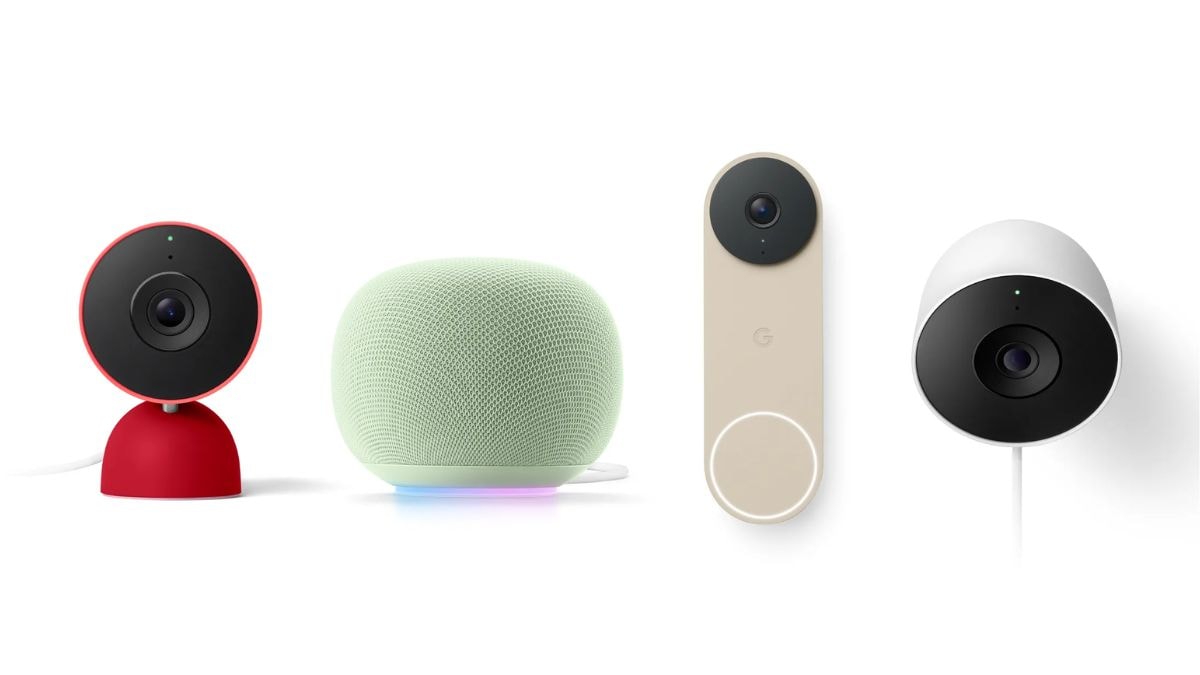
- Enhanced Voice Recognition: The speaker uses Gemini to better distinguish between multiple voices, allowing for personalized interactions without the need for explicit user identification.
- Integrated Smart Home Control: Users can manage connected devices through voice commands, with support for a wide range of third-party smart home platforms.
- Audio Quality: Despite its compact size, the speaker is equipped with a dual-driver system and spatial audio technology, aiming to deliver a richer sound experience than previous models.
- Privacy Controls: Google has introduced new hardware-based microphones that can be physically disabled, addressing growing concerns about data privacy in smart devices.
According to a leaked internal document, the speaker’s design prioritizes affordability without compromising on performance. The $99 price point positions it as a budget-friendly alternative to higher-end models from competitors, though it lacks some of the advanced features found in premium devices.
The Timeline: From Concept to Launch
The development of the Gemini-powered speaker began over 18 months ago, with Google outlining its vision for a more affordable, AI-driven smart home device. The project faced several delays, primarily due to challenges in optimizing the Gemini model for low-power hardware. A source familiar with the development process noted that engineers had to refine the AI’s energy efficiency to ensure it could run smoothly on the speaker’s compact form factor.

Initial prototypes were tested internally in early 2024, with feedback from Google employees influencing the final design. The company reportedly held multiple rounds of user testing to fine-tune the device’s voice recognition capabilities and ensure compatibility with existing smart home ecosystems. By mid-2024, the product entered a limited beta phase, with select users receiving early access to provide input on its performance.
The official launch announcement came in [insert month], with Google emphasizing the device’s accessibility and AI-driven features. The company also highlighted its commitment to sustainability, stating that the speaker’s packaging is 100% recyclable and that the device itself is designed for easy disassembly at the end of its lifecycle.
Who Is Involved: Key Players and Stakeholders
The launch of the Gemini-powered speaker involves a range of stakeholders, including Google’s internal teams, third-party developers, and regulatory bodies. Google’s AI division, led by [insert name], played a central role in integrating the Gemini model into the device. The company’s hardware engineering team, based in [insert location], was responsible for the physical design and manufacturing processes.
Third-party developers have also been instrumental in the speaker’s success. By opening up its API to external creators, Google has encouraged the development of new voice-activated apps and smart home integrations. This approach mirrors strategies used by other tech giants to expand the functionality of their devices.
Regulatory agencies have also taken an interest in the product, particularly regarding data privacy and security. The European Union’s General Data Protection Regulation (GDPR) and the California Consumer Privacy Act (CCPA) have prompted Google to implement additional safeguards for user data. A spokesperson for the company stated that the speaker complies with all relevant privacy laws, though some critics argue that more transparency is needed.
Why This Matters: Implications for the Smart Home Market
The introduction of the Gemini-powered speaker represents a strategic move by Google to capture a larger share of the smart home market. The $99 price point makes it an attractive option for budget-conscious consumers, potentially disrupting the pricing strategies of competitors. Analysts suggest that this could lead to a broader adoption of smart home technology, as more users gain access to affordable AI-powered devices.

However, the device’s success will depend on its ability to differentiate itself from existing offerings. While the Gemini AI model offers advanced capabilities, it remains to be seen how well it performs in real-world scenarios compared to rival technologies. Some experts caution that the speaker’s reliance on cloud-based processing could raise concerns about internet connectivity and latency, particularly in areas with unreliable broadband access.
The launch also has broader implications for the future of AI in consumer electronics. By embedding the Gemini model into a low-cost device, Google is signaling its intent to make advanced AI more accessible. This could accelerate the integration of AI into everyday appliances, from refrigerators to thermostats, reshaping how users interact with technology.
Reactions and Expert Opinions
Industry experts have responded to the launch with a mix of enthusiasm and skepticism. Dr. [insert name], a technology analyst at [insert institution], praised Google’s efforts to democratize AI but noted that the device’s long-term success will hinge on its ability to maintain user engagement. “While the $99 price point is compelling, consumers will ultimately judge the product based on its performance and reliability,” Dr. [insert name] said.
Competitors have not remained silent. Apple and Amazon have both released statements acknowledging Google’s new offering, though neither has provided specific details about potential countermeasures. A spokesperson for Amazon highlighted the company’s focus on “ecosystem integration,” emphasizing the seamless compatibility between its Echo devices and Alexa services.
Consumer feedback has been largely positive, with early adopters praising the speaker’s ease of use and audio quality. However, some users have raised concerns about the device’s reliance on Google’s ecosystem. “If you’re already invested in Apple or Amazon services, this might not be the best fit,” one user wrote on a tech
