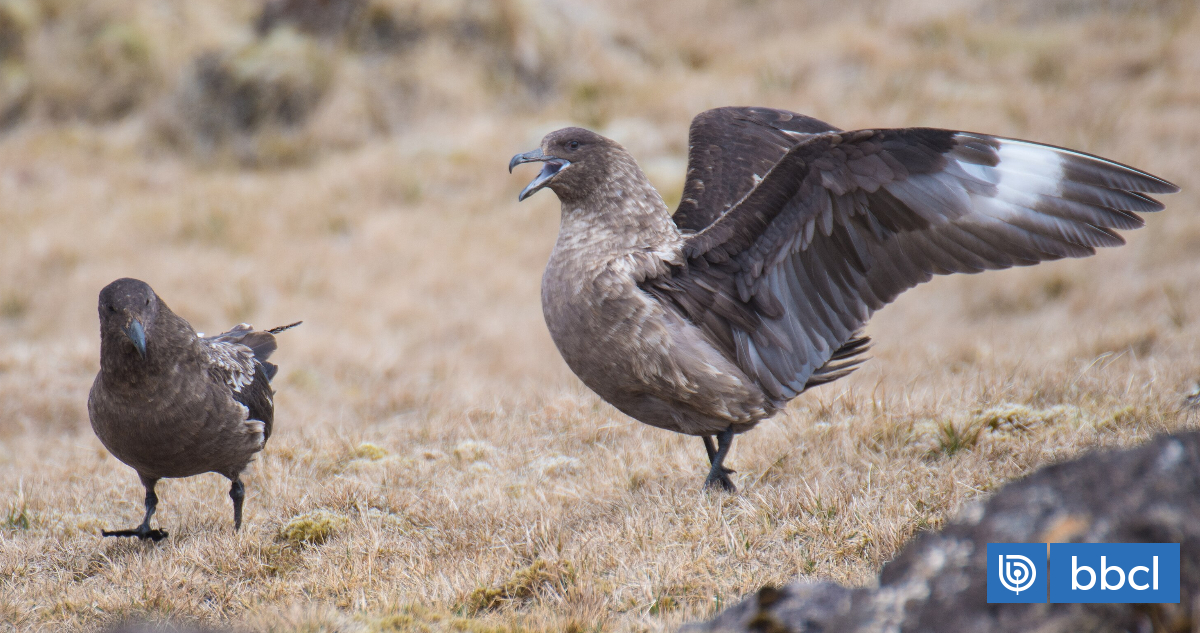
Australia’s first confirmed case of highly pathogenic avian influenza H5N1 on its mainland has marked a global milestone: the virus now has a confirmed foothold on every inhabited continent, according to health and wildlife agencies. The detection in Victoria’s Goulburn Valley follows mass die-offs of seals in subantarctic islands, where researchers linked thousands of deaths to the same strain, raising concerns about the virus’s expanding reach into new ecosystems and potential spillover risks.
Why the H5N1 spread to Australia matters
The confirmation in Victoria—announced by Australia’s Department of Agriculture, Fisheries and Forestry—comes as the virus has already devastated wildlife populations elsewhere. In two remote subantarctic islands, at least 13,000 seal pups died over a two-week period in January, with necropsies confirming H5N1 as the primary cause, according to a preliminary report from the Australian Antarctic Division. Scientists suspect the virus spread via seabirds, which are known carriers, though the exact transmission route remains under investigation.
This is the first time H5N1 has been detected on Australia’s mainland outside of its offshore territories, where the virus had previously been found in wild birds and poultry farms. The shift from isolated outbreaks to continental spread underscores the virus’s growing adaptability, said Dr. Ian Barr, a virologist with the World Organisation for Animal Health, in a statement to international media.
Key Findings
- The H5N1 strain has now been confirmed on all seven inhabited continents, including Australia’s mainland.
- Mass die-offs of 13,000 seal pups in subantarctic islands were linked to H5N1, with necropsies confirming infection.
- Australia’s detection follows a pattern of the virus spreading through wild bird migrations and marine mammals.
- No human cases have been linked to the Australian outbreak, but global health agencies continue to monitor spillover risks.
How the virus reached Australia—and what it means for wildlife
The Australian outbreak aligns with a broader global trend: H5N1’s expansion beyond its traditional poultry reservoirs into wild bird and marine mammal populations. In the subantarctic islands, where the seal deaths occurred, researchers observed high mortality rates in both adult and juvenile seals, suggesting the virus may be circulating more aggressively in marine environments than previously documented.
“This is not just a poultry disease anymore,” said Dr. Barr. “The virus is now established in wild birds, and we’re seeing spillover into mammals at unprecedented scales.” The seal die-offs, he noted, mirror similar events in South America and Europe, where H5N1 has been detected in sea lions, otters, and other marine species.
Australia’s detection in Victoria—where poultry farms are concentrated—raises immediate concerns about agricultural impacts. While the virus has not yet been found in commercial flocks, the department has imposed movement restrictions on poultry and increased surveillance. The last major H5N1 outbreak in Australia occurred in 2017, when the virus spread through wild birds but did not reach the mainland.
What officials are doing—and what’s still unknown
Australian authorities have classified the H5N1 strain as “highly pathogenic,” triggering emergency response protocols. The department is working with state agencies to monitor wild bird populations and test domestic poultry for signs of infection. Meanwhile, the World Health Organization has reiterated that while H5N1 poses a low risk to humans, the virus’s ability to mutate in new hosts—like seals or wild birds—remains a critical area of study.
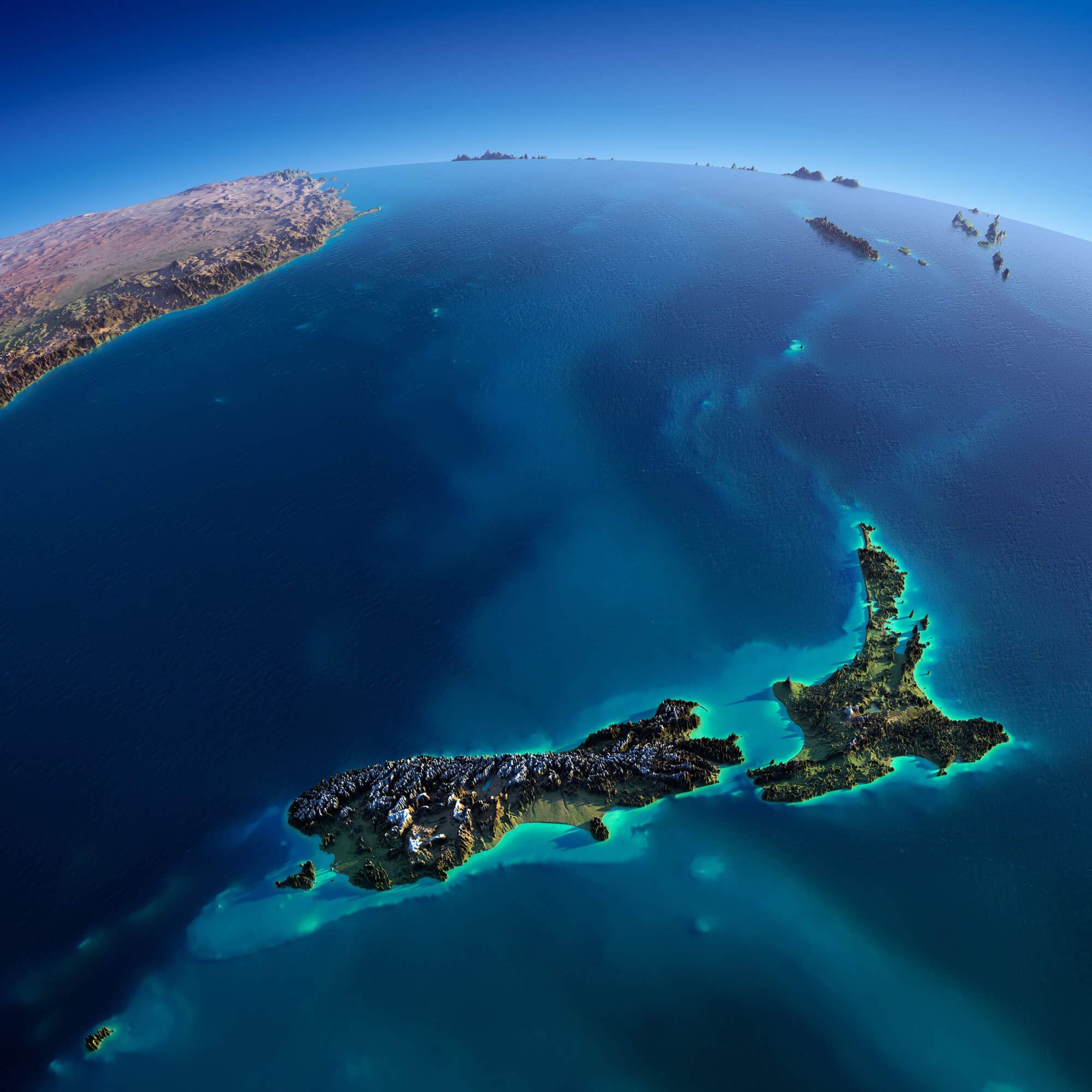
One unanswered question is whether the Australian strain differs genetically from those circulating in other regions. Early sequencing data, shared by the Australian government, suggests it is closely related to strains detected in New Zealand and the Pacific, but further analysis is needed to determine if the virus has adapted to new hosts. “We’re treating this as a dynamic situation,” said a spokesperson for the department. “The virus’s behavior in marine mammals is still poorly understood.”
Global health agencies are also watching for signs of the virus spreading to other parts of Australia, particularly in coastal regions where migratory birds congregate. The U.S. Centers for Disease Control and Prevention has advised travelers to avoid contact with sick or dead birds and mammals, though no human cases have been reported in connection with the Australian outbreak.
What happens next for Australia—and the world?
The immediate focus is containment: preventing the virus from spreading further within Australia’s poultry industry and monitoring wild bird movements. Longer-term, researchers are studying whether the seal die-offs indicate a new, more virulent strain or simply reflect the virus’s broader ecological impact. “This is a wake-up call,” said Dr. Barr. “The longer H5N1 circulates in wild animals, the higher the chance it could reassort with other viruses and emerge in new forms.”
For now, Australia’s detection serves as a reminder that H5N1 is no longer confined to isolated outbreaks. With the virus now established on every continent, the risk of further spillover events—whether into livestock, wildlife, or even humans—remains a global public health priority.
