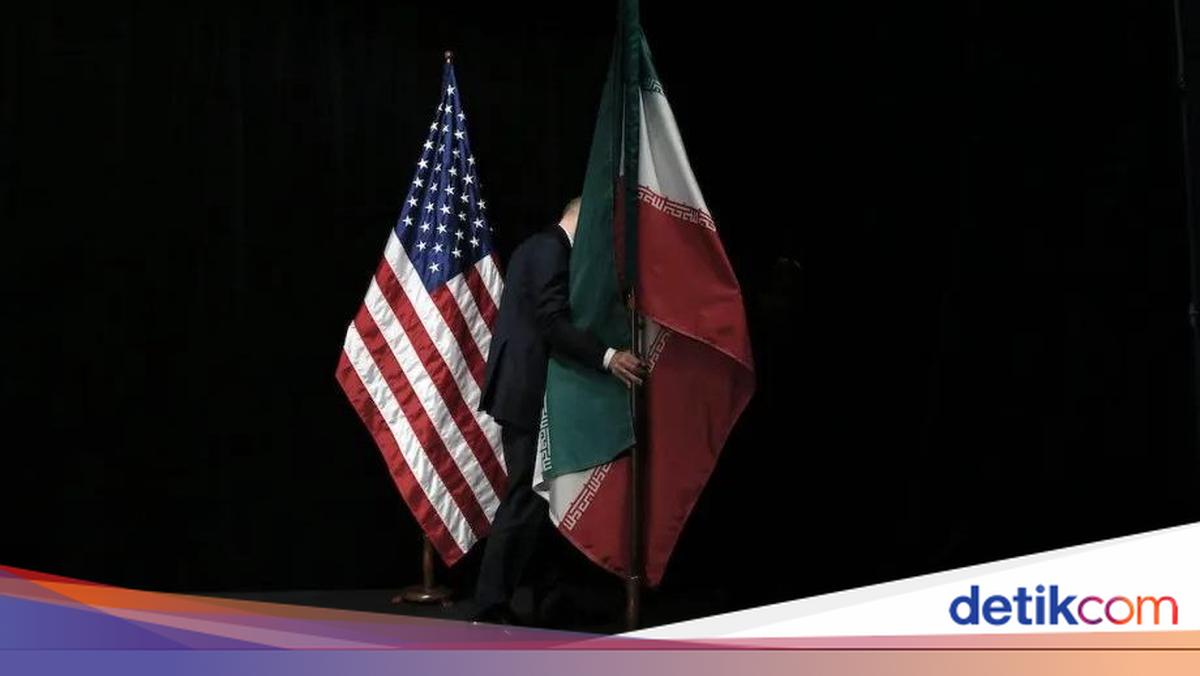
The United States and Iran have initiated peace negotiations in Switzerland to discuss the lifting of oil sanctions and the release of frozen assets. Mediated by Qatar and Pakistan, the talks also address security in the Strait of Hormuz, though the process remains volatile following threats from the U.S. president to seize Iranian territory.
- Location: Switzerland
- Mediators: Qatar and Pakistan
- Primary Agenda: Oil sanctions, frozen assets, and the Strait of Hormuz
- Current Status: Active negotiations amid conflicting diplomatic and aggressive rhetoric
What are the primary goals of the Swiss negotiations?
Delegates from the United States and Iran are meeting in Switzerland to negotiate a proposal regarding the removal of oil sanctions and the unfreezing of Iranian assets, according to local media reports. These discussions represent a continuation of diplomatic efforts to resolve long-standing economic tensions between the two nations.
The negotiations are being facilitated by Qatar and Pakistan, who are serving as mediators to bridge the gap between Washington and Tehran. The focus remains on economic concessions that could stabilize the Iranian economy in exchange for peace commitments.
How does the Strait of Hormuz factor into the talks?
Security in the Strait of Hormuz has emerged as a central point of the peace talks, according to reports from CNBC Indonesia. As a critical chokepoint for global oil shipments, the stability of the strait is a primary concern for international energy markets.
Regional observers suggest that a successful peace agreement would provide significant stability for neighboring Arab nations. According to reports from SINDOnews Internasional, these countries could “breathe a sigh of relief” if the U.S. and Iran reach a formal accord, reducing the risk of regional conflict and maritime disruptions.
Why is the diplomatic atmosphere remaining volatile?
Despite the ongoing talks in Switzerland, the diplomatic environment is strained by aggressive rhetoric from the U.S. administration. The U.S. president recently issued a severe warning to Iranian leadership following an unspecified remark, according to Warta Ekonomi.
He must watch his words.
President of the United States
The U.S. president further threatened to take over the entirety of Iranian territory, signaling that the current peace process is fragile and subject to immediate escalation based on the conduct of Iranian officials.
