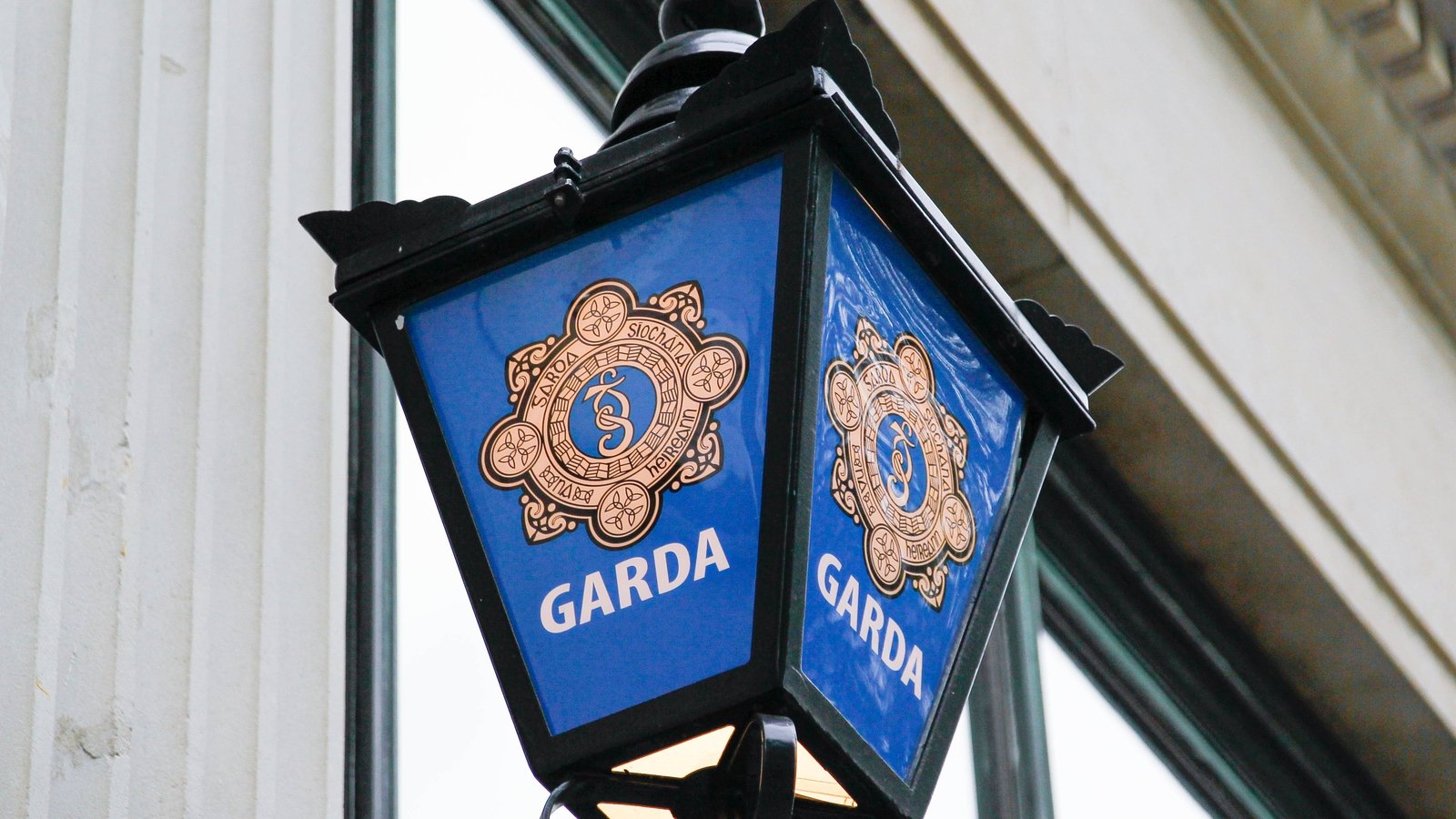
Renewed appeal over Laois cemetery public order incident – RTE.ie
Gardaí have issued a renewed appeal for witnesses following a public order incident and brawl at a cemetery in Portlaoise, Co. Laois. The altercation occurred during a cemetery mass, and authorities are seeking information to identify those involved in the violence, according to reports from RTE, the Irish Independent, and the Irish Times.
What happened during the Portlaoise cemetery incident?
A violent confrontation broke out at a cemetery in Portlaoise, Co. Laois, during a scheduled mass. While the specific catalyst for the fight remains under investigation, the event was characterized by multiple news outlets as a significant breach of public order. Gardaí describe the event as an incident requiring public assistance to fully resolve the investigation.
According to reports from BreakingNews.ie, the event is described as a “violent cemetery brawl,” while other outlets, such as the Irish Independent, refer to it as a “row” occurring during the mass. The discrepancy in terminology reflects the varying levels of intensity reported by witnesses on the scene. Regardless of the terminology, the location—a place of burial and religious observance—has added a layer of gravity to the Gardaí’s pursuit of the perpetrators.
The core facts of the event include:
- Location: A cemetery in Portlaoise, County Laois.
- Timing: The incident took place during or immediately following a cemetery mass.
- Nature: A public order offense involving a physical or verbal brawl.
- Status: The investigation is ongoing, with Gardaí now renewing their request for evidence and witness statements.
The renewal of the appeal suggests that initial inquiries did not yield enough evidence to bring formal charges or identify all participants. In regional districts like Portlaoise, Gardaí often rely on community cooperation when CCTV coverage in open-air spaces like cemeteries is limited or non-existent.
Why are Gardaí renewing the appeal for information?
Gardaí renew appeals when an investigation reaches a stalemate or when new leads suggest that witnesses who were previously hesitant may now be willing to speak. In the case of the Laois cemetery incident, the “renewed” nature of the request indicates that the file remains open and active, but the evidentiary threshold for prosecution has not yet been met.
According to standard Garda procedure, a renewed appeal serves several strategic purposes:
- Prompting Memory: It reminds those who were present that the incident is still being investigated.
- Pressure on Suspects: It signals to those involved that the police have not abandoned the case, which can sometimes lead to voluntary admissions or “tips” from associates.
- Broadening the Net: It targets individuals who may have captured the incident on mobile phones or dashboards but did not think the footage was necessary at the time.
The incident occurred in a public setting during a mass, meaning there were likely dozens of bystanders. The fact that a renewed appeal is necessary suggests a possible “wall of silence” or a lack of formal statements from those who witnessed the brawl. Gardaí are urging anyone with information, no matter how seemingly insignificant, to come forward.
How do Irish laws treat public order offenses in cemeteries?
Public order incidents in Ireland are primarily governed by the Criminal Justice (Public Order) Act 1994. When a brawl occurs in a public space—particularly one designated for religious or funerary purposes—the legal implications can be more severe than a standard street altercation.
Under the Public Order Act, Gardaí typically look for evidence of the following offenses:
| Offense Type | Legal Basis | Typical Behavior |
|---|---|---|
| Threatening, Abusive or Insulting Behavior | Section 6 | Using words or behavior that cause a breach of the peace. |
| Disorderly Conduct | Section 4 | Fighting or behaving in a way that obstructs public passage. |
| Assault | Non-Fatal Offences Act | Physical violence resulting in injury or apprehension of violence. |
A cemetery is generally viewed as a place of peace and respect. While the law applies equally to all public spaces, the context of a “cemetery mass” can influence how a case is presented in court. Judges often view disturbances at funerals or memorial masses as aggravating factors, as they cause distress to grieving families and desecrate the solemnity of the occasion.
If the brawl involved the destruction of property—such as headstones or floral tributes—additional charges related to criminal damage would likely be applied. The Gardaí’s current focus on witness testimony is critical because proving “intent” and “initiation” in a brawl requires a clear sequence of events that only eye-witnesses can provide.
How did different media outlets frame the cemetery brawl?
An analysis of the reporting on this incident shows a notable contrast in how different news organizations characterized the event. This framing often reflects the target audience of the publication and the source of their information.
“The terminology used to describe the Portlaoise incident varies from a ‘row’ to a ‘violent brawl,’ highlighting the gap between official police language and the perception of the event by the public.”
The following breakdown illustrates the different framing used by the sources:
- RTE and Laois Today: These outlets used more neutral, administrative language, focusing on the “public order incident” and the “renewed appeal.” This aligns with a standard reporting style that mirrors official Garda press releases.
- The Irish Independent: This source used the term “row,” which in Irish English can range from a heated argument to a physical fight. This framing is slightly more understated.
- BreakingNews.ie: This outlet used the most aggressive framing, calling it a “violent cemetery brawl.” This suggests a focus on the physical nature of the conflict and aims to attract readers seeking high-impact news.
- The Irish Times: This publication maintained a balanced approach, focusing on the “appeal for information” regarding a “brawl,” positioning the story as a matter of law and order.
This variation is common in regional reporting. Local outlets like Laois Today often prioritize the community impact and the official process, whereas national tabloids or digital-first news sites may emphasize the “violence” of the act to drive engagement.
What are the implications for the Portlaoise community?
Violence at a cemetery mass is an anomaly in most Irish towns and typically triggers a strong community reaction. The implications of this incident extend beyond the legal proceedings against the individuals involved.

Community Trust and Witness Cooperation
In smaller communities, there is often a tension between the desire for justice and a reluctance to “inform” on neighbors or acquaintances. This is a common hurdle for Gardaí in regional investigations. When a renewed appeal is issued, it often indicates that the police are trying to overcome this social friction by emphasizing the public nature of the crime.
The Sanctity of Sacred Spaces
Cemeteries are regarded as protected social spaces. A brawl during a mass is not seen merely as a fight between two parties, but as an affront to the community’s shared values of respect for the dead. This often leads to increased public pressure on the authorities to ensure that those responsible are held accountable.
Police Resource Allocation
The fact that Gardaí are revisiting this case suggests it has not been “written off.” For the local Portlaoise station, resolving this case is a matter of maintaining the deterrent effect. If public order incidents in sensitive locations go unpunished, it can lead to a perceived decline in local law and order.
For more information on how regional policing works in Ireland, you may find a related explainer on Garda district operations useful.
What should witnesses do if they have information?
Gardaí are specifically looking for any evidence that can help identify the participants or establish the timeline of the brawl. Even small details can be the missing piece in a criminal investigation.
-1667906146743.jpg--portlaoise.jpg?1667906149204 "What should witnesses do if they have information?")
Authorities recommend that witnesses consider the following when coming forward:
- Digital Evidence: Check photo galleries and video folders from the day of the mass. Even a background shot of the crowd can help Gardaí identify individuals via clothing or physical characteristics.
- Timeline Reconstruction: Note exactly when the “row” started and what happened immediately before the violence broke out.
- Identification: If you recognize a person but do not know their name, providing a description or a nickname can help investigators narrow down their search.
Information can be provided to any Garda station, but the Portlaoise station is the primary point of contact for this specific case. Witnesses can request to speak with the investigating officer to ensure their information is logged correctly.
Common misconceptions about public order appeals
There are several misunderstandings regarding how Gardaí handle these types of appeals. Clearing these up can encourage more people to provide information.
Misconception 1: “If I didn’t see the whole thing, my information is useless.”
In reality, partial information is highly valuable. If one witness saw the start of the fight and another saw the end, the Gardaí can piece these together to create a complete narrative. A single detail—such as a car license plate or a specific phrase shouted—can be enough to secure an arrest.
Misconception 2: “The case is too old for it to matter now.”
The “renewed” nature of the appeal proves that the statute of limitations for public order offenses is generally longer than the time elapsed since the cemetery incident. As long as the file is open, new evidence can lead to charges.
Misconception 3: “I’ll be in danger if I speak up.”
Gardaí have protocols for handling sensitive witness testimony. While some evidence must be presented in court, the initial reporting phase is confidential.
Frequently Asked Questions
Where exactly did the Laois cemetery incident take place?
The incident occurred at a cemetery in Portlaoise, County Laois, during a cemetery mass. The specific cemetery name is typically managed through the local Garda district’s records for the investigation.

Why is this being called a “renewed” appeal?
It is a renewed appeal because Gardaí had previously asked for witnesses shortly after the event. Since they have not yet gathered enough evidence to conclude the investigation, they are asking the public for information once again.
Was anyone arrested at the time of the brawl?
The provided reports do not confirm immediate arrests at the scene, which is why the Gardaí are relying on witness testimonies and public appeals to identify and apprehend the participants.
What constitutes a “public order incident” in this context?
In this case, a public order incident refers to the brawl and “row” that disrupted a religious service. Under Irish law, this includes behavior that is threatening, abusive, or causes a breach of the peace in a public area.
How can I contact the Gardaí regarding this case?
Anyone with information is encouraged to contact their local Garda station or the Portlaoise Garda station directly to provide a statement or hand over digital evidence.
The investigation into the Portlaoise cemetery brawl remains a priority for local authorities. The transition from a “row” to a “violent brawl” in media reporting underscores the seriousness of the event, and the continued appeal for witnesses suggests that the Gardaí are determined to resolve the matter despite the challenges of gathering evidence in a community setting.
