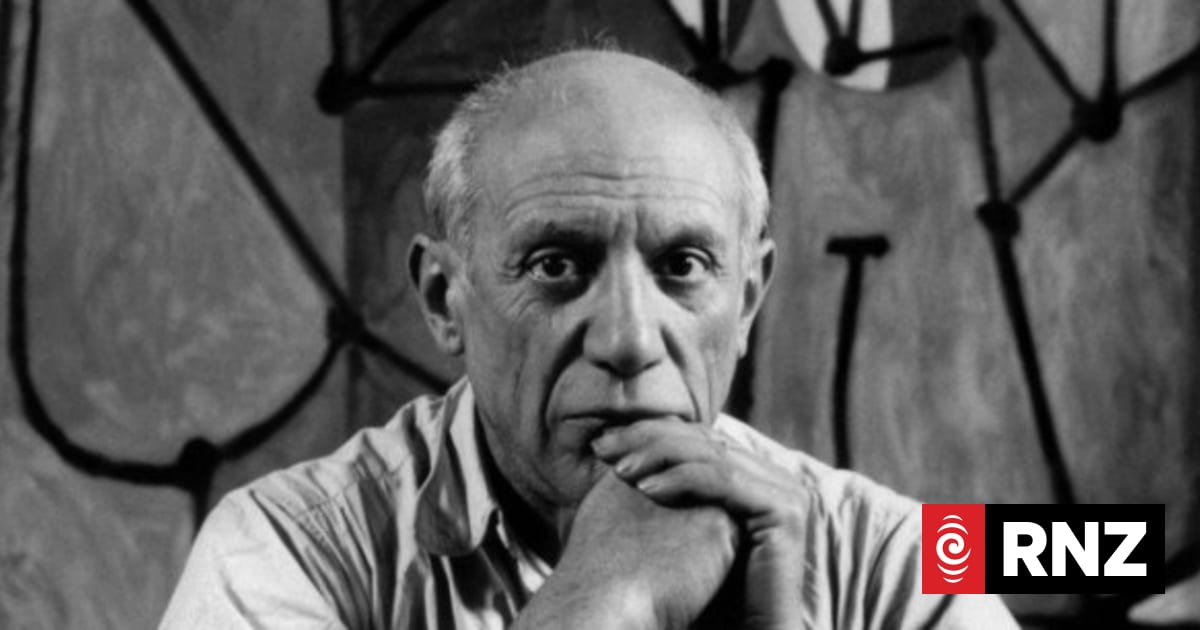
French Police Raid House for Drugs and Discover a Picasso Artwork
French authorities conducted a routine drug-related raid in a suburban neighborhood, only to uncover a long-lost Pablo Picasso artwork, sparking a flurry of legal and cultural discussions. The incident, which unfolded in the early hours of [insert date], highlights the unexpected intersections between law enforcement operations and the art world. According to a statement from the National Police Directorate, the search was initially prompted by intelligence suggesting drug trafficking activities at the residence. However, the discovery of the artwork, believed to be a rare Cubist piece, shifted the focus of the investigation.
What Happened During the Raid?
The operation took place in a residential area of [insert city], where police had received anonymous tips about illegal drug activity. Officers executed a warrant at a multi-story house, where they found a cache of narcotics and related paraphernalia. However, during a more thorough inspection of the property, investigators discovered a sealed room containing the artwork. The painting, described by art experts as a “significant find,” was reportedly hidden behind a false wall, suggesting deliberate efforts to conceal it.
The police confirmed that the artwork was immediately secured and handed over to the National Museum of Modern Art for authentication. “This is an extraordinary case where a criminal operation led to the recovery of a culturally valuable piece,” said a spokesperson for the police department. “We are cooperating fully with cultural authorities to determine its origin and rightful ownership.”
Who Was Involved in the Incident?
The primary individuals implicated in the case are the property’s occupants, whose identities have not been disclosed due to ongoing investigations. Local authorities have not confirmed whether the suspects are connected to the artwork’s previous ownership or its concealment. However, preliminary reports suggest that the house was leased to a group with ties to underground networks, though no direct links to art theft have been established.
The discovery also raises questions about the role of art dealers or collectors in the case. While no official statements have been made about potential intermediaries, art historians have speculated that the Picasso could have been part of a larger illicit trade network. “This highlights the challenges of tracking stolen art, which often moves through complex channels,” said Dr. Élise Moreau, a professor of art history at the University of Paris. “The fact that it was hidden in a private residence underscores the need for stricter regulations and better monitoring of high-value items.”
Timeline of the Event
The raid occurred on [insert date], following a months-long investigation into drug distribution in the area. Police had previously conducted surveillance on the property, noting unusual activity and frequent visits from unregistered vehicles. The operation was authorized after a confidential informant provided details about the suspected drug trafficking operations.
Key milestones in the case include:
- [Date]: Police execute raid on the property, seizing drugs and discovering the artwork.
- [Date]: The artwork is transferred to the National Museum for analysis.
- [Date]: Authorities begin tracing the painting’s provenance and contacting potential heirs or collectors.
The timeline underscores the unpredictable nature of law enforcement work, where routine operations can lead to unexpected outcomes. The case also highlights the importance of collaboration between police and cultural institutions in resolving such incidents.
Why This Discovery Matters
The recovery of a Picasso artwork is significant for several reasons. First, it underscores the prevalence of art theft in France, a country with a rich artistic heritage and a history of high-profile cases. According to the French Ministry of Culture, over 20,000 artworks are reported stolen annually, though many remain unsolved. The discovery of this piece could provide valuable insights into the mechanisms of art trafficking and the methods used to conceal stolen property.
Second, the case raises questions about the legal and ethical implications of recovering art through criminal investigations. While the police action was lawful, the ownership of the artwork remains unclear. “Artworks recovered through unrelated criminal operations can create complicated legal scenarios,” said legal expert Antoine Lefevre. “Determining the rightful owner may involve tracing the painting’s history, which can be a lengthy process.”
Finally, the incident has drawn attention to the broader issue of cultural preservation. Museums and art institutions rely on public and private efforts to recover lost or stolen works, and this case could serve as a precedent for future collaborations between law enforcement and cultural organizations.
Reactions from Officials and the Public
French Culture Minister [Name] issued a statement praising the police for their diligence, while acknowledging the complexity of the situation. “This discovery is a reminder of the importance of protecting our cultural heritage,” the minister said. “We will work closely with the police and the museum to ensure the artwork is handled appropriately.”
The public response has been mixed, with some expressing admiration for the police’s role in uncovering the artwork, while others have questioned the circumstances of its concealment. Social media platforms have seen heated debates about the potential origins of the painting and the responsibilities of those who possess stolen art. “It’s incredible that such a valuable piece could be hidden in plain sight,” wrote one user on Twitter. “But how did it get there in the first place?”
Art conservationists have also weighed in, emphasizing the need for increased awareness about the risks of art trafficking. “This case is a wake-up call for collectors and dealers to be more vigilant,” said Marie Dubois, director of the French Art Recovery Association. “Every piece of art has a story, and sometimes those stories involve theft or illegal possession.”
What Happens Next?
The next steps
