‘Frankenstein Rabbits’ With Tentacle-Like Growths Reemerge Across US: What You Need to Know
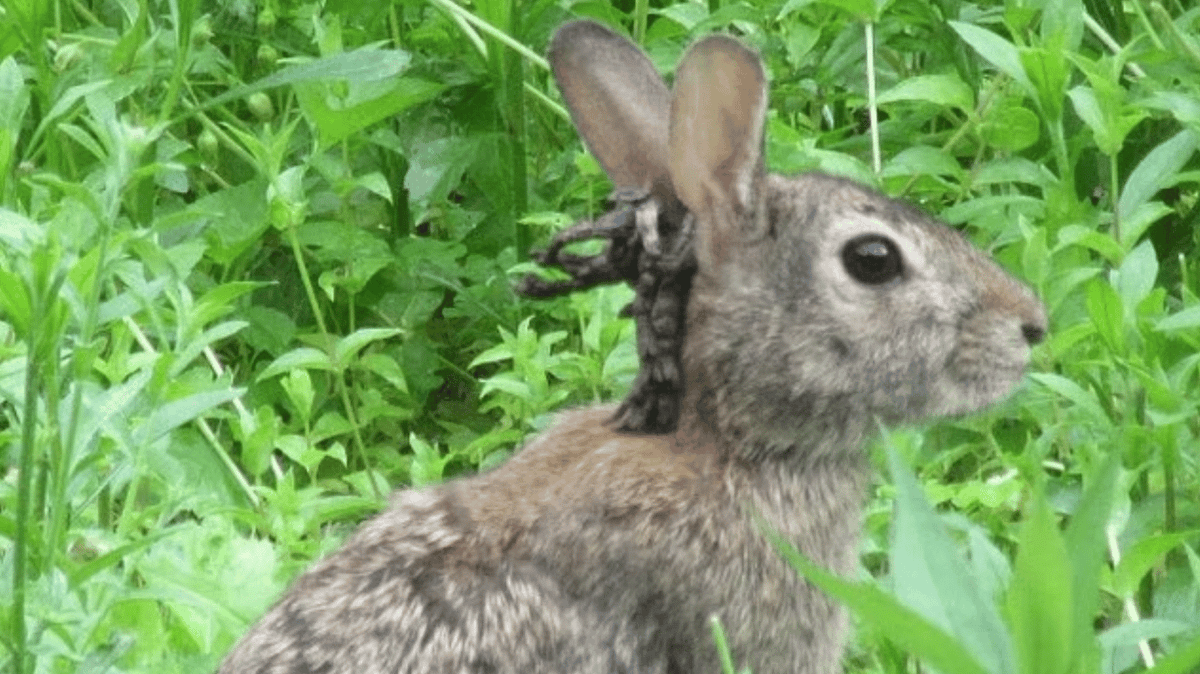
Rabbits exhibiting horn-like, tentacle-shaped growths on their heads are appearing across multiple U.S. states, according to reports from LADbible and other news outlets. These growths are caused by the Shope Papilloma Virus (SPV), a condition that triggers the production of hard keratin tumors, giving the animals a distorted appearance often described as “Frankenstein-like.”
What are the ‘Frankenstein rabbits’ appearing in the US?
The term “Frankenstein rabbits” refers to wild rabbits suffering from a specific viral infection that causes hard, twisted protrusions to erupt from the skin, typically around the face, head, and neck. According to reports from LADbible and Gadget Review, these growths often resemble tentacles or horns, leading to viral social media posts and public alarm.
Biologically, these protrusions are not horns in the traditional sense. They are keratinized tumors. Keratin is the same protein that makes up human fingernails and hair. When the Shope Papilloma Virus (SPV) infects the rabbit, it causes the skin cells to overproduce this protein, creating hard, crusty masses that grow outward from the skull. These growths can vary in size and shape, sometimes appearing as small warts and other times as long, curved spikes.
Key characteristics of these growths include:
- Composition: Dense clusters of keratin.
- Location: Primarily the head, muzzle, and neck.
- Appearance: Dark, twisted, and often resembling organic “tentacles.”
- Impact: In severe cases, the growths can interfere with the rabbit’s ability to eat or see.
Where are these rabbits being sighted?
While the virus has existed for decades, recent reports indicate a reemergence and a wider geographic spread. Charisma Magazine Online reports that these rabbits are now showing up in more U.S. states than previously documented in recent years. This increase in sightings has sparked a wave of online curiosity and concern as images of the affected animals circulate on digital platforms.
The spread is generally attributed to the movement of wild rabbit populations and the persistence of the virus in the environment. Because these animals are common across the North American landscape, the virus can migrate as the rabbits do, leading to sporadic “outbreaks” in different regions.
How does the Shope Papilloma Virus (SPV) work?
The Shope Papilloma Virus is a member of the papillomavirus family, which includes viruses that cause warts in humans. According to biological data referenced in reports by Hindustan Times, the virus targets the epithelial cells of the skin. Once the virus enters the system, it hijacks the cellular machinery to force the production of keratin.

The process follows a specific pathological path:
- Infection: The virus enters the rabbit’s body, often through small cuts or abrasions in the skin.
- Cellular Mutation: The virus integrates into the host’s DNA, triggering abnormal cell growth.
- Keratinization: The skin begins to produce an excess of hard keratin, forming a papilloma (a benign tumor).
- Growth: Over time, these papillomas harden and extend outward, creating the “horn” effect.
While many of these tumors remain benign, some can become malignant. In certain cases, the virus can lead to squamous cell carcinoma, a form of cancer that can be fatal to the animal.
| Feature | Shope Papilloma Virus (SPV) | Standard Rabbit Horns (Myth) |
|---|---|---|
| Cause | Viral infection (SPV) | Genetic mutation/Myth |
| Material | Keratin (Skin protein) | Bone/Cartilage |
| Nature | Tumorous growth | Skeletal structure |
| Health Impact | Can lead to cancer or starvation | None (if biological) |
Should humans be worried about these rabbits?
Despite the alarming imagery, the risk to humans is minimal. Hindustan Times addresses the question of whether the public should be worried, noting that the Shope Papilloma Virus is species-specific. This means it is designed to infect rabbits and does not typically jump to humans or domestic pets like dogs and cats.
However, health officials and wildlife experts generally advise against handling wild animals, especially those showing signs of illness or abnormal growths. This is not necessarily because of SPV, but because wild rabbits can carry other zoonotic diseases, such as tularemia, which can be transmitted to humans through touch or bites.
For pet rabbit owners, the concern is slightly higher. While the wild strain of SPV is the primary driver of these “Frankenstein” sightings, domestic rabbits can be susceptible to various papillomaviruses. Owners are encouraged to monitor their pets for any unusual skin growths and consult a veterinarian if warts or nodules appear.
Comparing media coverage: Sensationalism vs. Science
The reporting on this phenomenon varies significantly across different media outlets, reflecting a tension between “click-driven” news and scientific reporting.
“The use of terms like ‘Frankenstein rabbits’ and ‘tentacles’ creates a narrative of horror or sci-fi, which drives high engagement on social media but may obscure the actual biological nature of the disease.”
LADbible and Gadget Review lean heavily into the visual shock of the story, utilizing the “Frankenstein” label to highlight the grotesque nature of the growths. This framing focuses on the “reemergence” as a mysterious or alarming event. In contrast, outlets like Hindustan Times frame the story as a question of public health (“should you be worried?”), shifting the focus from the visual horror to the actual risk assessment for the reader.
This contrast shows a common trend in digital news: the same factual event—a viral outbreak in wildlife—can be presented either as a biological curiosity or as a frightening anomaly depending on the target audience.
The connection between SPV and the ‘Jackalope’ myth
The appearance of these “horned” rabbits is not a new phenomenon and likely provided the biological basis for one of North America’s most famous cryptids: the Jackalope. The Jackalope is a mythical creature described as a jackrabbit with antelope horns.
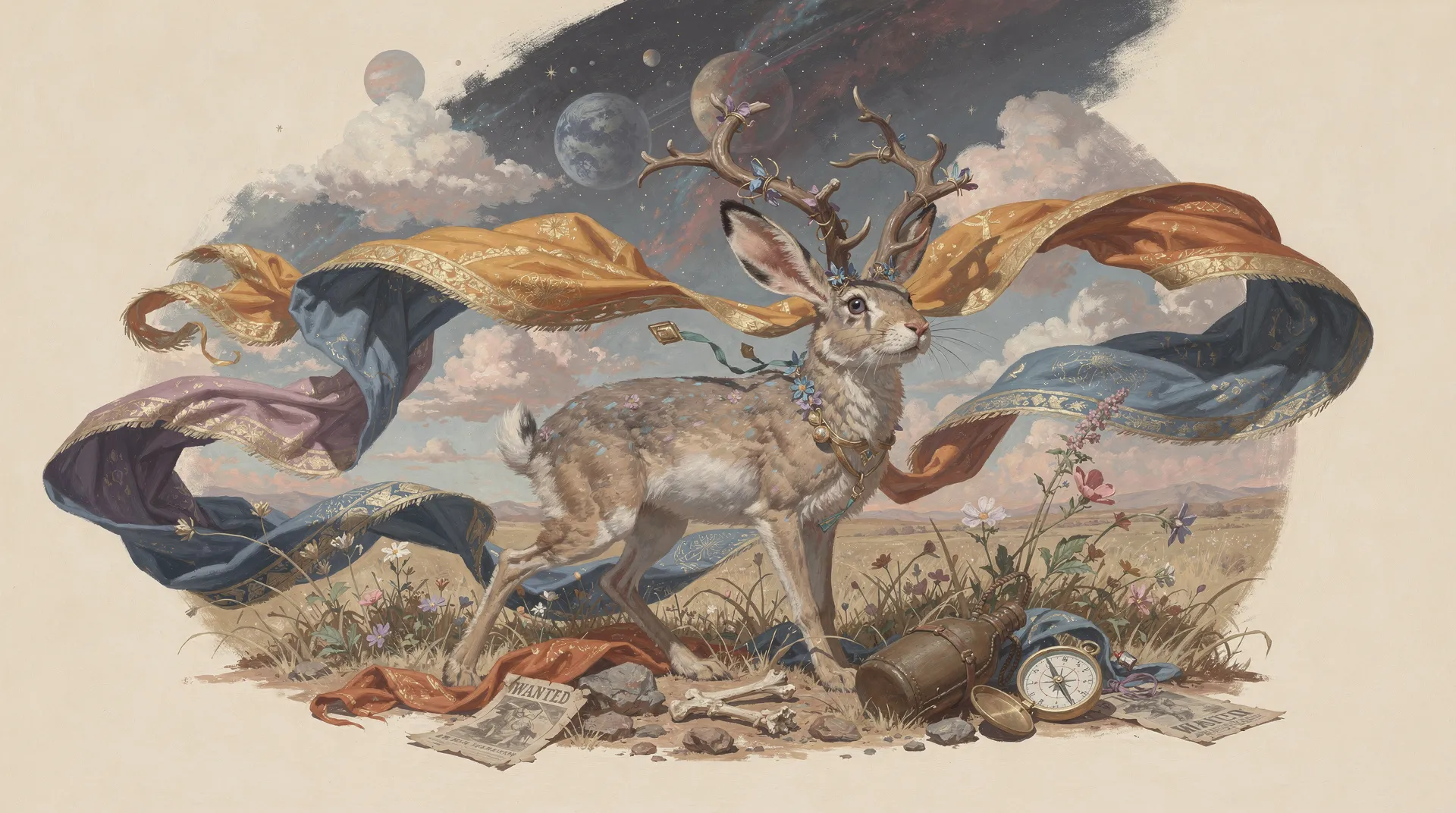
Historians and biologists suggest that early settlers and hunters who encountered rabbits infected with the Shope Papilloma Virus may have mistaken the keratin tumors for actual horns. This misunderstanding, combined with tall tales and folklore, helped cement the Jackalope in American mythology. The “Frankenstein rabbits” reported today are essentially the real-world version of the myth, though the reality is a viral disease rather than a magical creature.
For those interested in how wildlife diseases shape culture, a related explainer on zoonotic myths may provide further context on similar phenomena.
Potential implications for rabbit populations
While the virus may seem like a visual oddity to humans, the implications for wild rabbit populations are serious. The growths are not merely cosmetic; they can have a devastating impact on an individual animal’s survival.
- Feeding Difficulties: When tumors grow around the mouth or muzzle, rabbits may find it impossible to graze, leading to malnutrition and starvation.
- Predation Risk: The growths can impair the rabbit’s vision or hearing, making them easier targets for predators like hawks, foxes, and coyotes.
- Social Isolation: In some species, abnormal appearances can lead to social rejection or difficulty in finding mates.
- Cancer Progression: As mentioned, the transition from a benign papilloma to a malignant carcinoma can lead to systemic organ failure.
Because rabbits are a primary prey species in many ecosystems, a significant increase in SPV prevalence could theoretically impact the food chain, although current reports do not suggest a population collapse.
What to do if you spot a ‘Frankenstein rabbit’
Wildlife experts recommend a “look but don’t touch” policy when encountering animals with these growths. Because the virus is transmitted through direct contact or contaminated environments, minimizing interaction is the safest course of action.
Recommended steps for the public include:
- Maintain Distance: Do not attempt to capture or treat the animal yourself.
- Document from Afar: Take photos or videos to help wildlife biologists track the spread of the virus.
- Report Sightings: Contact local wildlife agencies or state departments of natural resources to report the location of the affected animal.
- Avoid Pet Contact: Keep domestic pets away from areas where infected wild rabbits are frequenting.
Reporting these sightings is crucial for researchers. By mapping where the “Frankenstein rabbits” are appearing, scientists can better understand the mutation rate of the Shope Papilloma Virus and determine if environmental factors—such as climate change or habitat loss—are contributing to the reemergence of the disease.
Frequently Asked Questions
Can humans catch the ‘Frankenstein rabbit’ virus?
According to reports from Hindustan Times, the Shope Papilloma Virus (SPV) is species-specific to rabbits. There is no evidence that it can infect humans. However, wild rabbits can carry other diseases that are harmful to humans, so direct contact should be avoided.
Are the ‘tentacles’ on the rabbits’ heads actually horns?
No. They are not bone or cartilage. They are tumors made of keratin, the same protein found in hair and nails. The virus causes the skin to overproduce this protein, creating hard, horn-like protrusions.

Is the ‘Frankenstein rabbit’ condition contagious to pet rabbits?
While the specific wild strain mentioned in current news reports primarily affects wild populations, papillomaviruses in general can affect domestic rabbits. Pet owners should monitor their animals for any unusual skin growths and consult a vet if they notice any.
Why are these rabbits appearing more frequently now?
Reports from Charisma Magazine Online suggest the virus is appearing in more states, though the exact cause of the reemergence is still being studied. Factors could include rabbit migration patterns or changes in the local environment that make the population more susceptible.
Can the virus be cured?
In a wild setting, there is no standard treatment for SPV. In clinical or domestic settings, veterinarians may surgically remove the tumors, but the virus may remain in the animal’s system, and the growths can recur.
For more information on animal health and wildlife monitoring, you may find a guide to reporting wildlife diseases helpful for your local area.
