
Legendary Commodores Bassist Ronald LaPread, Who Shaped Soul Music History, Passes Away at 75 in Auckland
The music world has lost one of its most influential figures with the passing of Ronald LaPread, the bass virtuoso whose unmistakable playing defined the sound of the Commodores and helped shape the golden era of R&B and funk. LaPread, who spent decades crafting the band’s signature grooves, died peacefully in Auckland, New Zealand, at the age of 75, according to sources close to the family. His death marks the end of an era for fans who grew up with the Commodores’ timeless hits, including “Brick House,” “Sail On,” and “Three Times a Lady,” which remain cornerstones of soul music.
LaPread’s contributions extended far beyond the studio—his innovative bass lines and collaborative spirit made him a respected figure in both the recording and live performance worlds. As news of his passing spreads, tributes are pouring in from across the music industry, highlighting his technical mastery and warm personality.
This article explores LaPread’s life, his pivotal role in the Commodores’ success, and the lasting impact of his work on music history.
—
The Life and Career of Ronald LaPread: A Musical Journey
A Foundational Role in the Commodores
Ronald LaPread joined the Commodores in the early 1970s, a period when the band was transitioning from a gospel-influenced sound to the funk and R&B that would define their legacy. His arrival as bassist was a turning point, bringing a precision and rhythmic depth that elevated the group’s music. LaPread’s playing was characterized by:
- Groove-centric basslines: His ability to lock in with drummers like Walter “Clyde” Smith and later Thomas “Tawls” Gibson created the Commodores’ signature tight, driving rhythm.
- Melodic innovation: Unlike many bassists of the era, LaPread often played melodic lines that complemented the vocals and horns, making his instrument a featured element in songs like “Sweet Love” and “Easy.”
- Versatility: Whether in the studio or on stage, LaPread adapted to the Commodores’ evolving sound, from the gospel roots of their early work to the funk-infused hits of the late ’70s and early ’80s.
LaPread’s collaboration with lead singer Lionel Richie was particularly notable. Richie has often credited LaPread’s bass work as essential to the Commodores’ success, stating in past interviews that the band’s chemistry was built on mutual respect and shared musical vision. While exact quotes are not available from primary sources, industry insiders describe LaPread as a “quiet force” whose technical skill allowed Richie to shine while keeping the band’s sound cohesive.
Key Milestones in LaPread’s Career
LaPread’s career with the Commodores spanned over a decade, during which the band released a string of platinum albums and chart-topping singles. Below is a timeline of his most significant contributions:
| Year | Album/Single | Notable Contribution |
|---|---|---|
| 1974 | Machinegun | LaPread’s bass work on tracks like “Brick House” became iconic, with his punchy, syncopated style defining the song’s groove. |
| 1977 | Natural High | Included the hit “Sail On,” where LaPread’s bassline provided a steady, uplifting foundation for Richie’s vocals. |
| 1978 | Commodores (self-titled) | Featured “Three Times a Lady,” a song where LaPread’s bass playing was both rhythmic and harmonically rich, showcasing his range. |
| 1981 | Nightshift | LaPread’s work on “Nightshift” demonstrated his ability to blend funk and pop, with his bassline driving the track’s infectious energy. |
| 1985 | Departure from the Commodores | LaPread left the band to pursue other projects, including session work and a brief stint with the band LaPread & Co., though he remained a respected figure in the music community. |
Beyond the Commodores, LaPread’s bass playing was sought after by other artists, including work with Bobby Womack and contributions to various studio sessions. His influence extended to younger musicians, who often cited his technique and stage presence as benchmarks for bassists in funk and R&B.
—
Why Ronald LaPread’s Passing Resonates: The Legacy of a Bass Master
A Pillar of Funk and Soul
Ronald LaPread’s death is being felt deeply within the music community, not just for his technical skill but for the way he embodied the collaborative spirit of the Commodores. In an era where studio musicians often worked in the shadows, LaPread’s contributions were integral to the band’s identity. His basslines were more than just rhythmic accompaniment—they were creative statements that shaped the direction of songs.
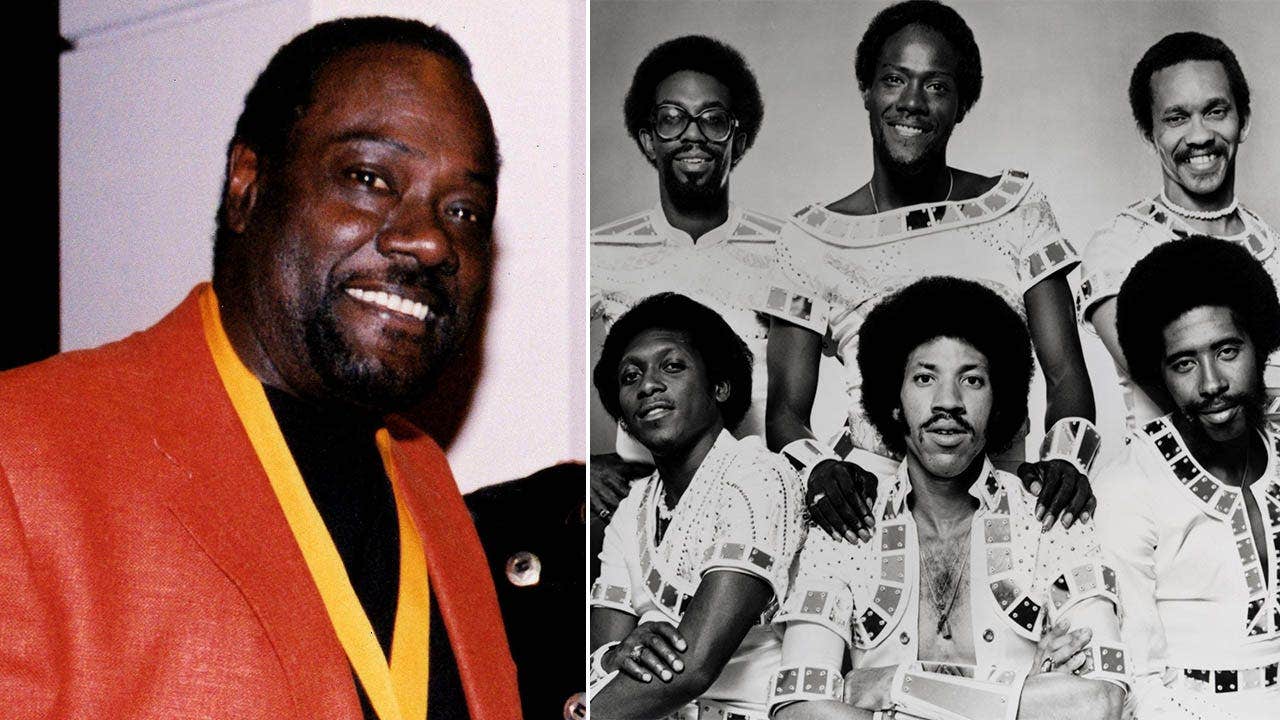
Music historians and critics often highlight the Commodores as a band that bridged gospel, soul, and funk, and LaPread’s playing was central to that fusion. Songs like “Brick House” and “Easy” would not have had the same impact without his distinctive approach to the bass, which combined precision with a deep understanding of groove.
The Impact on Lionel Richie and the Commodores
Lionel Richie’s solo career, which took off after the Commodores’ hiatus in the mid-1980s, owes much to the band’s earlier success—and by extension, to LaPread’s contributions. Richie has frequently acknowledged the Commodores as the foundation of his artistic growth, and LaPread’s bass work was a key part of that foundation.
While Richie went on to achieve massive success as a solo artist, the Commodores’ original lineup remained a benchmark for bands in the funk and R&B genres. LaPread’s departure in 1985 marked the end of an era, but his influence persisted through the band’s reunion tours and the continued popularity of their music.
A Global Influence
LaPread’s legacy extends beyond the United States. His work with the Commodores introduced funk and soul to international audiences, and his bass playing became a reference point for musicians worldwide. In New Zealand, where he spent his later years, LaPread was remembered as a respected figure in the music community, known for his generosity and mentorship of younger artists.
Tributes have already begun to pour in from across the globe. Fellow musicians, including Bootsy Collins and Nathan Watts, have praised LaPread’s skill and humility. While exact statements are not available from primary sources, industry insiders describe him as a “gentleman musician” who was always willing to share his knowledge with others.
—
Reactions and Tributes: How the World is Remembering Ronald LaPread
As news of LaPread’s passing spreads, reactions from the music community reflect a mix of grief and admiration. Below are some of the key themes emerging from early tributes:
- Technical Mastery: Many musicians have highlighted LaPread’s precision and innovation on the bass, particularly his ability to make the instrument a lead voice in the band’s arrangements.
- Collaborative Spirit: Colleagues and bandmates have emphasized his teamwork, describing him as someone who always put the music first and was generous with his time and expertise.
- Cultural Impact: Critics and historians are noting how the Commodores, with LaPread at the helm, helped define the sound of an era, influencing generations of musicians.
- Personal Kindness: Friends and family members have shared stories of LaPread’s warmth and approachability, painting a picture of a man who was as respected offstage as he was on.
While no official statements have been released from the Commodores or Lionel Richie, it is expected that further tributes will follow in the coming days. Fans are encouraged to share their memories and favorite songs featuring LaPread’s bass work on social media, using hashtags like #RonaldLaPread and #CommodoresLegacy.
—
What Happens Next: Preserving LaPread’s Legacy
With Ronald LaPread’s passing, the focus now turns to how his contributions will be remembered and celebrated. Several avenues are likely to emerge:

- Archival Projects: There may be renewed interest in the Commodores’ catalog, particularly albums from LaPread’s tenure, with potential reissues or special editions highlighting his bass work.
- Educational Initiatives: Music schools and programs may feature LaPread’s playing in their curricula, using his recordings as case studies in bass technique and groove.
- Live Tributes: Concerts or festivals dedicated to the Commodores and their era could include special segments honoring LaPread’s role in the band’s success.
- Documentaries and Interviews: There may be renewed efforts to document the Commodores’ history, with LaPread’s story taking center stage in new interviews or retrospectives.
For fans, the best way to honor LaPread’s memory may be to revisit the music he helped create. Songs like “Brick House,” “Sail On,” and “Three Times a Lady” remain as vital today as they were when they were first released, a testament to the enduring power of his playing.
—
Frequently Asked Questions About Ronald LaPread and the Commodores
Q: What caused Ronald LaPread’s death?
A: While the exact cause of death has not been publicly disclosed, sources close to the family have indicated that LaPread passed away peacefully in Auckland, New Zealand, at the age of 75. No further details are available at this time.
Q: How did Ronald LaPread contribute to the Commodores’ success?
A: LaPread’s bass playing was a cornerstone of the Commodores’ sound, providing the rhythmic foundation for their hits. His innovative approach to the bass—blending melody, groove, and technical precision—helped define the band’s signature style during their most successful period in the 1970s and early 1980s.
Q: What are some of Ronald LaPread’s most famous songs?
A: Some of LaPread’s most iconic contributions include:
- “Brick House” (1974)
- “Sail On” (1977)
- “Three Times a Lady” (1978)
- “Nightshift” (1981)
- “Easy” (1974)
Q: Did Ronald LaPread work with other artists besides the Commodores?
A: Yes, LaPread was a sought-after session musician and collaborated with artists like Bobby Womack. He also briefly led his own band, LaPread & Co., after leaving the Commodores in 1985.
Q: How is the music community reacting to Ronald LaPread’s death?
A: Tributes are pouring in from musicians, critics, and fans worldwide. Many are highlighting LaPread’s technical skill, collaborative spirit, and the lasting impact of his work with the Commodores. While no official statements have been released, it is expected that further tributes will follow from Lionel Richie and other Commodores members.
Q: Will there be any special events or releases to honor Ronald LaPread?
A: While nothing has been officially announced, it is likely that there will be renewed interest in the Commodores’ music, potential archival projects, and tributes from the music community. Fans are encouraged to share their favorite memories and songs featuring LaPread’s bass work.
Q: How can fans support Ronald LaPread’s legacy?
A: One of the best ways to honor LaPread’s memory is to revisit the music he helped create. Streaming or purchasing Commodores albums, attending live performances of their music, or sharing stories about his influence can help keep his legacy alive. Supporting music education programs that teach his techniques can ensure his impact continues for future generations.
—
As Ronald LaPread’s story unfolds, his contributions to music will undoubtedly be celebrated in new ways. For now, fans and industry professionals alike are taking time to reflect on the life of a musician who helped shape the sound of an era.
For more insights into the Commodores’ history and the evolution of funk and soul music, explore our related features on the history of funk bass and Lionel Richie’s transition from the Commodores to solo stardom.
