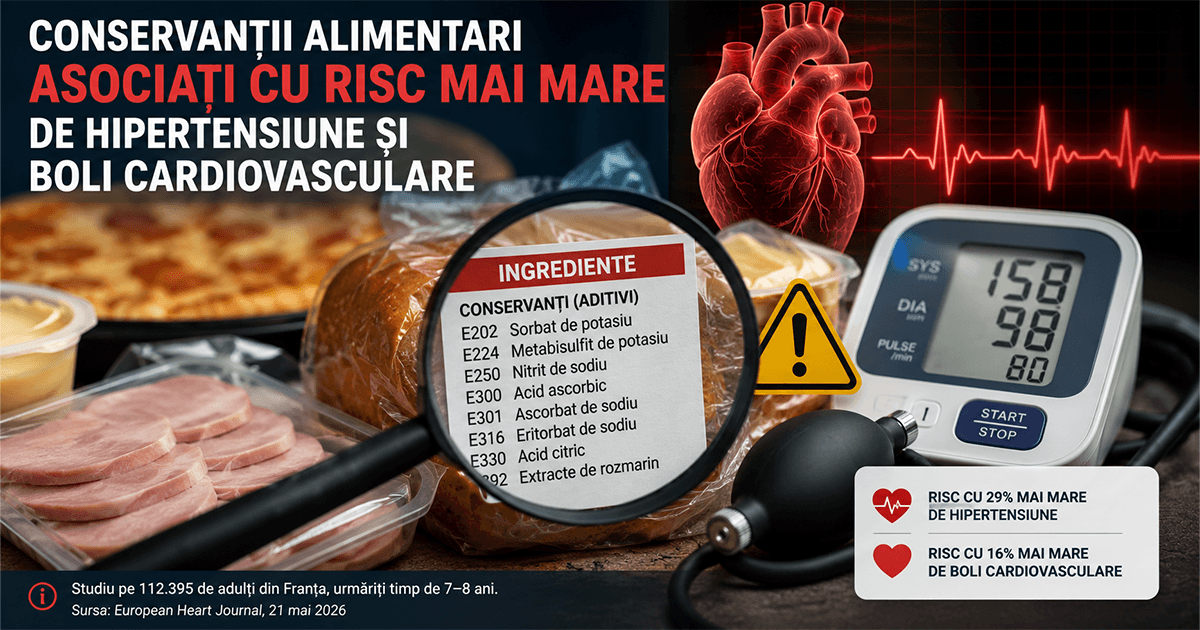
A recent study from France has identified a concerning link between the frequent consumption of food preservatives found in processed products and an increased risk of developing hypertension and other serious cardiovascular conditions.
- Frequent intake of common food preservatives is associated with a higher risk of high blood pressure (hypertension).
- The research suggests a correlation between these additives and an increased incidence of myocardial infarction (heart attack) and stroke.
- The findings were published in the European Heart Journal.
The Link Between Additives and Heart Health
The research highlights how certain chemical preservatives, widely used to extend the shelf life of processed foods, may contribute to the degradation of cardiovascular health. According to the study authors, these substances are associated with a heightened risk of hypertension, which often serves as a precursor to more severe cardiac events.
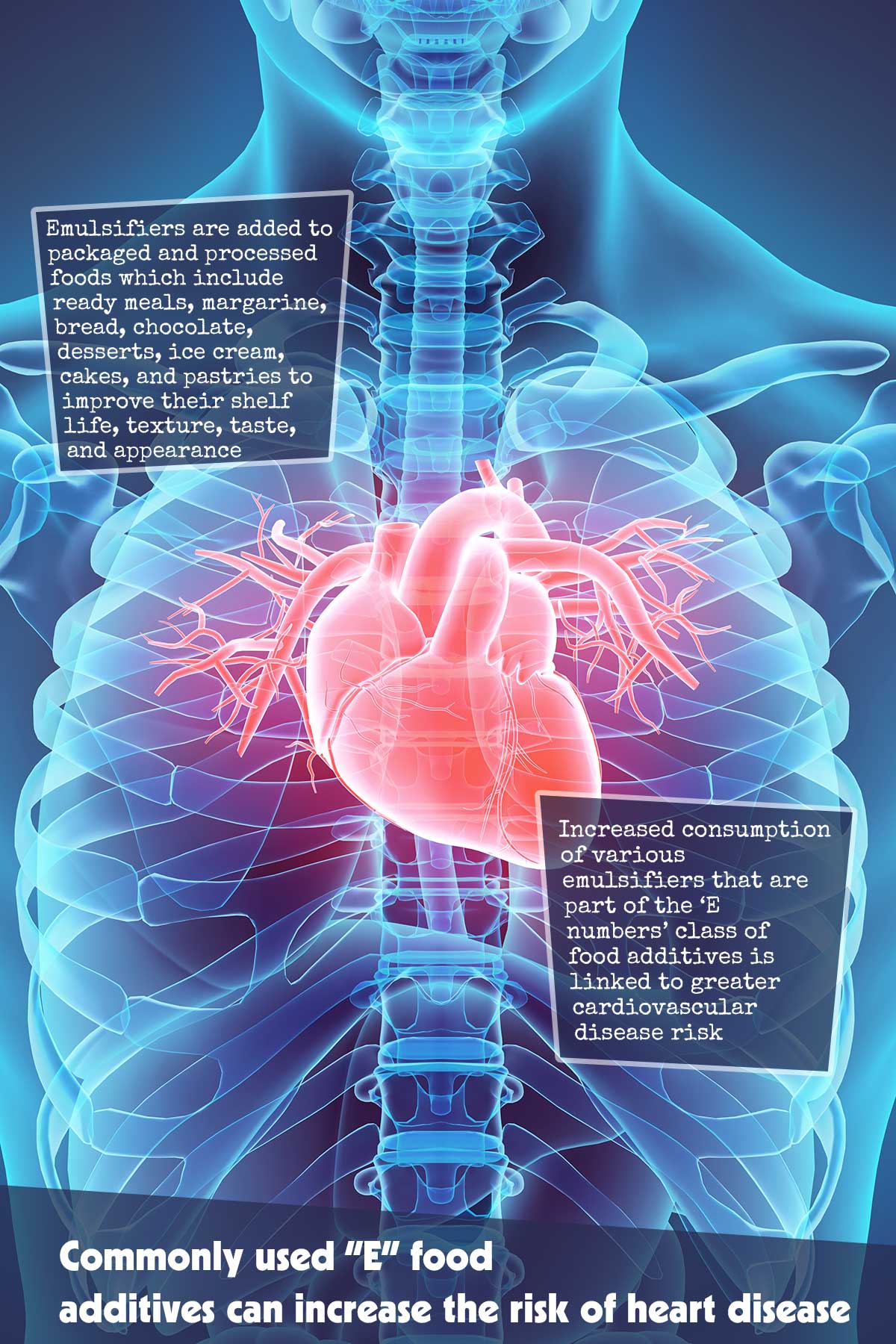
Notably, the research includes vitamin C on the list of preservatives associated with these risks. While vitamin C is an essential nutrient when consumed through whole foods, its use as a synthetic additive in processed foods serves a different purpose—primarily as an antioxidant to prevent food spoilage—which may contribute to the observed health associations.
Broader Cardiovascular Impact
The implications of these findings are significant given the global burden of circulatory diseases. To illustrate the scale of the crisis, public health data from the National Institute of Public Health (INSP) indicates that in some regions, such as Romania, up to one in two deaths are attributed to diseases of the circulatory system.
The association between processed food additives and heart disease underscores the complex relationship between modern dietary habits and long-term health outcomes. While preservatives allow for longer storage and easier transport of food, the study suggests that this convenience may come with a physiological cost to the heart and blood vessels.
Understanding the Evidence
Because this research identifies an association rather than a direct cause-and-effect relationship, health experts emphasize that these findings should be viewed as part of a larger body of evidence regarding ultra-processed foods. Observational data of this nature typically identifies patterns across large populations but may not account for every individual variable in a person’s diet or lifestyle.
The publication of these results in the European Heart Journal provides a basis for further investigation into which specific preservatives pose the highest risk and how they interact with the human vascular system to trigger hypertension and arterial blockages.
