Jamestown Canyon virus detected in Charlotte – WCAX
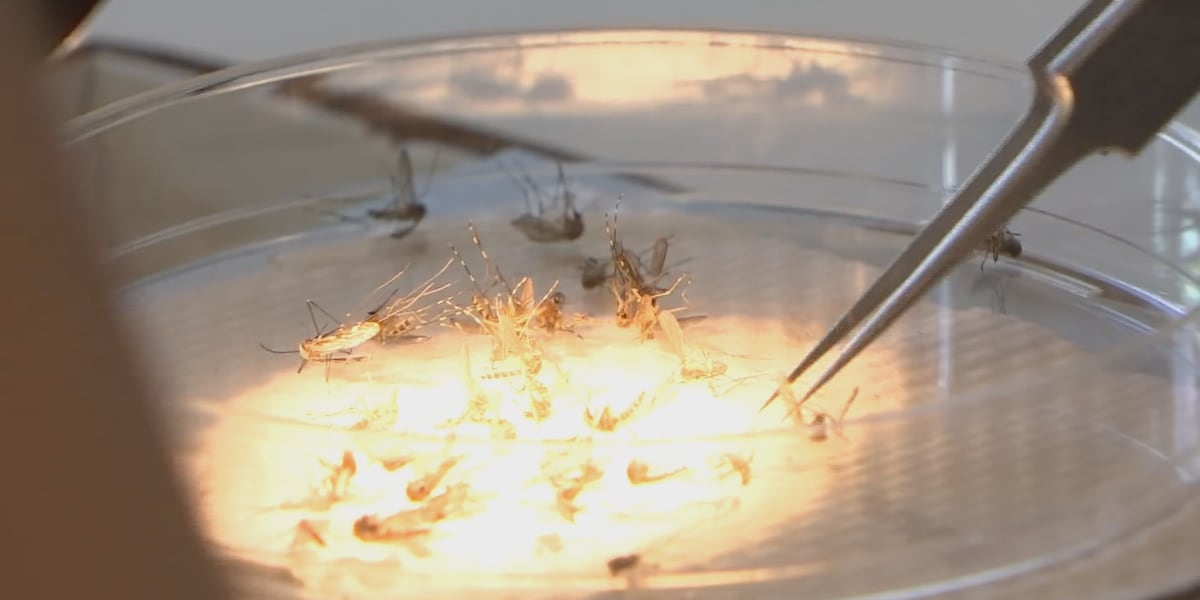
Health officials confirmed the Jamestown Canyon virus was detected in Charlotte, according to reporting from WCAX. This mosquito-borne illness can cause severe neurological complications in humans, leading health authorities to emphasize preventative measures against insect bites to limit further transmission in the region.
What happened in Charlotte regarding the Jamestown Canyon virus?
A detection of the Jamestown Canyon virus (JCV) has been recorded in Charlotte, as reported by WCAX. While specific patient counts or localized clusters were not detailed in the initial alert, the presence of the virus indicates that the local mosquito population is carrying the pathogen. This detection triggers a shift in public health awareness, moving the virus from a theoretical risk to a present environmental hazard for residents and visitors in the area.
Public health monitoring typically involves testing “sentinel” animals or trapping mosquitoes to identify the presence of viral RNA. The detection in Charlotte suggests that the viral cycle—which involves mosquitoes and various mammal or bird hosts—is active. This finding serves as a primary indicator for health departments to issue warnings about insect-borne diseases.
Key facts regarding the detection:
- Location: Charlotte.
- Pathogen: Jamestown Canyon virus (JCV).
- Transmission Vector: Infected mosquitoes.
- Primary Source: WCAX reporting.
What is the Jamestown Canyon virus?
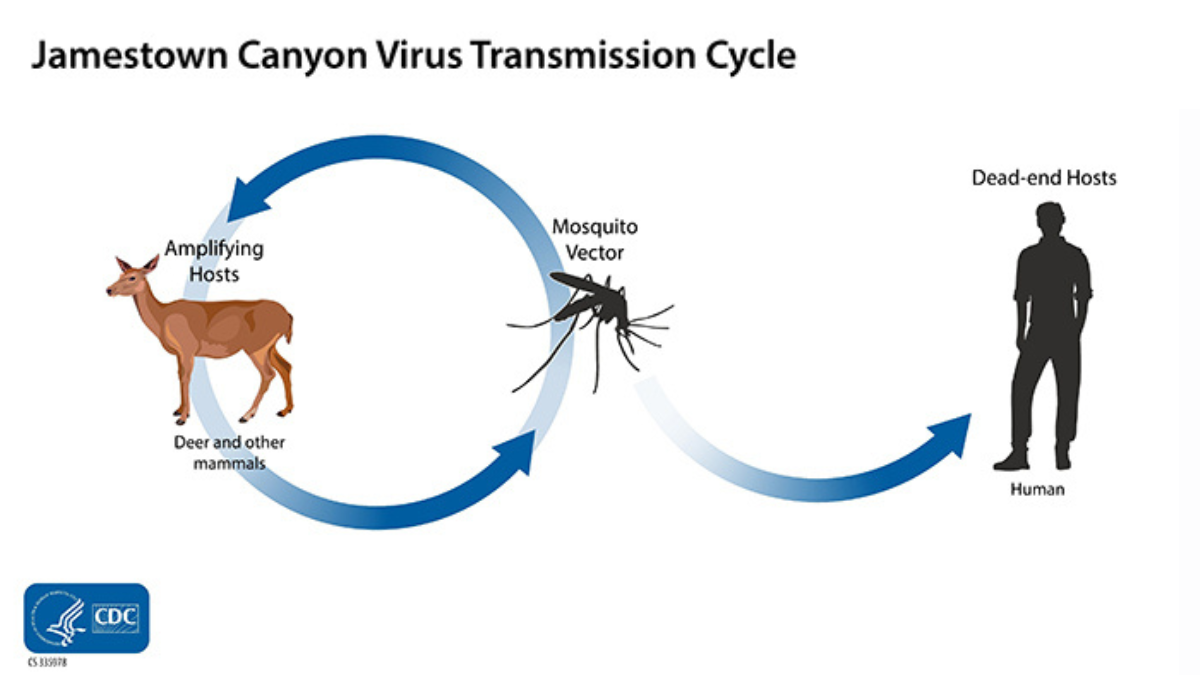
The Jamestown Canyon virus is a member of the Orthobunyavirus genus. It is a zoonotic virus, meaning it jumps from animals to humans. According to the Centers for Disease Control and Prevention (CDC), the virus is primarily maintained in a cycle between mosquitoes and various wildlife hosts, including deer, squirrels, and birds.
Humans are considered “dead-end hosts.” This means that while a person can become ill after a mosquito bite, the virus does not replicate to a high enough level in the human bloodstream to be picked up by another mosquito and passed to another person. Therefore, human-to-human transmission is not a characteristic of JCV.
The virus is found across much of North America, though it is often underdiagnosed because its symptoms frequently mimic other viral infections or more common mosquito-borne illnesses like West Nile virus.
How do the symptoms of Jamestown Canyon virus manifest?
Most people infected with the Jamestown Canyon virus will not show any symptoms or will experience a mild, flu-like illness. However, a small percentage of cases progress to severe neurological disease. According to clinical data from health organizations, the progression of the illness typically follows two paths:
Mild to Moderate Symptoms
For the majority of patients, the infection presents as a general febrile illness. These symptoms include:
- Sudden onset of fever.
- Severe headache.
- Muscle aches (myalgia).
- Joint pain.
- Fatigue and general malaise.
Severe Neurological Symptoms
In rare instances, the virus crosses the blood-brain barrier, causing inflammation of the brain (encephalitis) or the lining of the brain and spinal cord (meningitis). When the virus attacks the central nervous system, symptoms become more acute:
- Altered Mental Status: Confusion, disorientation, or extreme lethargy.
- Seizures: Uncontrolled electrical activity in the brain.
- Stiff Neck: A hallmark sign of meningitis.
- Neurological Deficits: Potential loss of motor coordination or speech impairment.
“Neurological involvement in Jamestown Canyon virus cases can be severe, though the overall rate of severe disease is low compared to the number of total infections.”
Who is most at risk for infection?
Anyone spending time outdoors in areas where infected mosquitoes are present can contract the virus. However, certain groups face a higher probability of exposure or more severe outcomes.
High-Exposure Groups
People whose activities put them in direct contact with mosquito habitats are at the highest risk. This includes:
- Outdoor Workers: Landscapers, farmers, and forestry workers.
- Recreationalists: Campers, hikers, and fishers who frequent wooded or marshy areas.
- Residents: People living near stagnant water or densely forested regions where mosquitoes breed.
High-Vulnerability Groups
While the virus can affect any age group, the severity of the illness often correlates with the health of the immune system. Older adults and individuals with compromised immune systems may be more susceptible to the neurological complications associated with JCV.
How does the virus spread through the environment?
The transmission of the Jamestown Canyon virus relies on a complex ecological cycle. It does not simply exist in a vacuum but requires specific biological interactions to survive and spread.
The Vector-Host Cycle:
- The Reservoir: Wildlife, such as deer or rodents, carry the virus in their blood. They act as the primary reservoir, keeping the virus alive between mosquito seasons.
- The Vector: Mosquitoes (specifically those in the Aedes and Culex genera) bite an infected animal and ingest the virus.
- The Transmission: The virus replicates within the mosquito. When that mosquito bites a human, it injects the virus into the bloodstream.
Environmental factors play a significant role in the prevalence of the virus. Warm, humid weather and heavy rainfall increase mosquito breeding sites, which in turn increases the likelihood of the virus entering the human population. The detection in Charlotte suggests that local environmental conditions have supported this cycle.
Comparing Jamestown Canyon virus to other mosquito-borne illnesses
Because JCV shares symptoms with other arboviruses (arthropod-borne viruses), it is often confused with West Nile virus or Eastern Equine Encephalitis (EEE). Understanding the distinctions is critical for medical diagnosis and public health response.
| Feature | Jamestown Canyon Virus (JCV) | West Nile Virus (WNV) | Eastern Equine Encephalitis (EEE) |
|---|---|---|---|
| Primary Vector | Mosquitoes | Culex Mosquitoes | Culiseta Mosquitoes |
| Common Symptoms | Fever, headache, myalgia | Fever, rash, joint pain | High fever, sudden onset |
| Neurological Risk | Low (but can be severe) | Moderate | High (Very severe) |
| Primary Host | Deer/Small mammals | Birds | Birds |
While West Nile is more common globally, JCV is particularly noted for its presence in the North American interior. EEE is far rarer but carries a significantly higher mortality rate when neurological involvement occurs.
Prevention and protection strategies
There is currently no vaccine or specific antiviral medication designed to treat the Jamestown Canyon virus. Management consists of supportive care—treating the symptoms as they appear. Therefore, prevention is the only effective tool for reducing the impact of the virus in Charlotte.
Personal Protection Measures
Health authorities recommend a multi-layered approach to avoid mosquito bites:
- Use EPA-Registered Repellents: Products containing DEET, Picaridin, Oil of Lemon Eucalyptus (OLE), or IR3535 are proven to be effective.
- Wear Protective Clothing: Long-sleeved shirts and long pants reduce the amount of exposed skin. Treating clothing with permethrin can provide an additional layer of defense.
- Timing of Activity: Many mosquito species are most active during dawn and dusk. Limiting outdoor activity during these peak times can reduce exposure.
Environmental Control
Reducing the mosquito population around the home is a key strategy for community-wide protection. This involves eliminating “standing water,” which serves as a breeding ground for larvae.
- Drainage: Empty birdbaths, flowerpots, gutters, and old tires.
- Water Management: Ensure that sump pump pits are sealed and that swimming pools are properly chlorinated.
- Screening: Repair holes in window and door screens to keep mosquitoes outside.
For those living in affected areas, a related explainer on mosquito control may provide further technical guidance on managing residential properties.
The public health implications of the Charlotte detection
The confirmation of the Jamestown Canyon virus in Charlotte is more than a localized health alert; it is a data point in the broader study of zoonotic disease migration. The detection indicates that the virus is established in the local wildlife and insect populations.
Monitoring and Surveillance:
Health departments use these detections to calibrate their response. When a virus like JCV is detected, officials may increase the frequency of mosquito trapping and testing to determine the “infection rate” (the percentage of mosquitoes carrying the virus). This data helps predict whether a spike in human cases is likely.
Clinical Awareness:
One of the most important outcomes of the WCAX report is the alert it sends to local healthcare providers. When doctors in Charlotte are aware that JCV is present in the environment, they are more likely to include it in their differential diagnosis when a patient presents with an unexplained fever or neurological symptoms. This leads to faster diagnosis and more appropriate supportive care.
Common misconceptions about JCV
Public fear often accompanies news of a virus detection, but understanding the facts can prevent unnecessary panic.
Misconception 1: “The virus can spread from person to person.”
As stated, humans are dead-end hosts. You cannot “catch” Jamestown Canyon virus from another human through coughing, touching, or any other direct contact.
Misconception 2: “Anyone who gets bitten by a mosquito will get sick.”
The vast majority of mosquito bites do not result in infection. Furthermore, the majority of JCV infections are asymptomatic or very mild. Severe neurological disease is the exception, not the rule.
Misconception 3: “Only people in the deep woods are at risk.”
While the virus is common in forested areas, mosquitoes travel. Suburban backyards with standing water or proximity to wooded lots can be sufficient for transmission.
Frequently Asked Questions
Is the Jamestown Canyon virus deadly?
While most cases are mild or asymptomatic, the virus can cause severe encephalitis or meningitis. In these rare neurological cases, the illness can be life-threatening or lead to long-term neurological damage. However, the overall fatality rate is low compared to viruses like EEE.
What should I do if I suspect I have JCV?
If you have recently spent time outdoors and develop a high fever, severe headache, or confusion, seek medical attention immediately. Inform your healthcare provider about your location and the known presence of the virus in Charlotte to assist in an accurate diagnosis.
Does the Jamestown Canyon virus affect pets?
The virus primarily circulates among wild animals. While domestic animals can be bitten by mosquitoes, the primary public health concern is the impact on humans. Consult a veterinarian for specific concerns regarding pet health and mosquito-borne illnesses.
How long do symptoms last?
Mild cases usually resolve on their own within a week or two with rest and fluids. Severe neurological cases require hospitalization and the recovery period can be much longer, depending on the extent of the brain inflammation.
Can I use natural repellents instead of DEET?
While some natural oils provide short-term relief, health organizations recommend EPA-registered ingredients like Picaridin or Oil of Lemon Eucalyptus for reliable, long-lasting protection against infected mosquitoes.
The detection of the Jamestown Canyon virus in Charlotte serves as a reminder of the ongoing interaction between human populations and wildlife pathogens. By maintaining environmental vigilance and utilizing proven personal protection methods, the risk of severe illness can be significantly mitigated. Residents should continue to monitor local health department updates for changes in the virus’s prevalence within the community.
