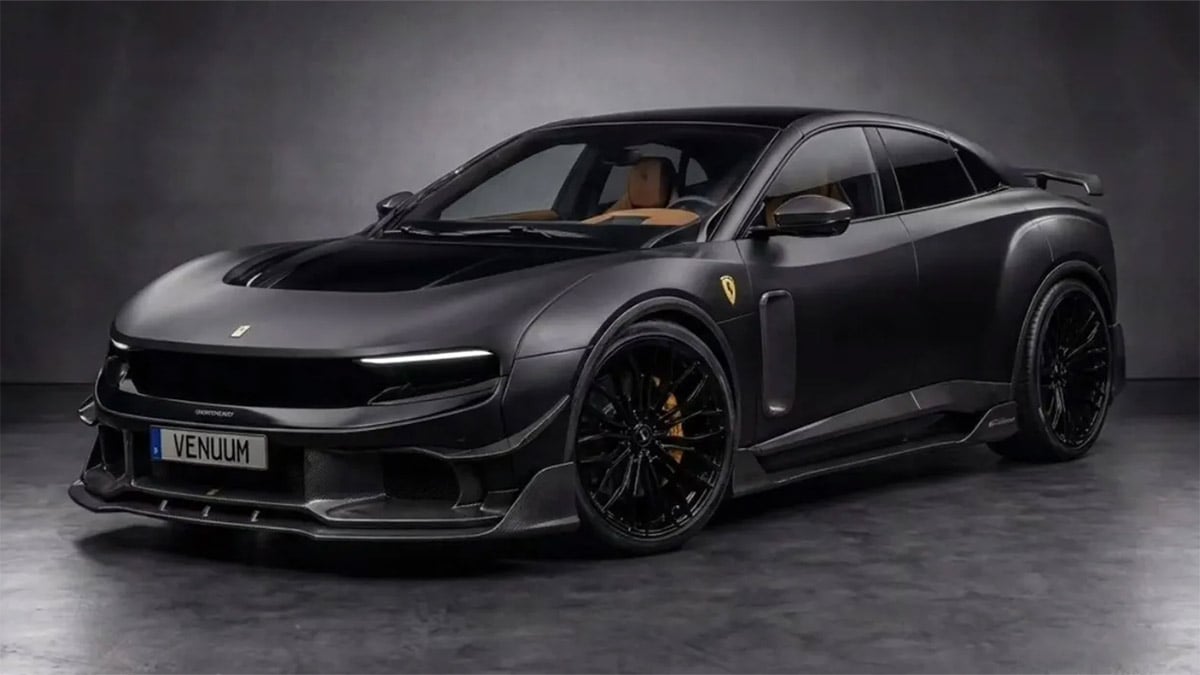
The Ferrari Luce’s polarizing design has become a case study in how even the most iconic brands can stumble when pushing creative boundaries—and the financial and reputational costs of getting it wrong.
Ferrari’s first all-electric hypercar, the Luce, has sparked fierce debate among automotive designers, industry analysts, and even former executives. The car’s unconventional aesthetic, which departs from Ferrari’s signature aggressive styling cues like the prancing horse emblem, has drawn sharp criticism, including from Luca Cordero di Montezemolo, the former Ferrari president and Scuderia Ferrari team principal. His blunt remark—“Que retiren el ‘cavallino’ de ese coche” (“Take the prancing horse off that car”)—underscores the tension between innovation and brand identity in the luxury automotive sector.
Why the Luce’s Design Sparks Backlash—and What It Means for Ferrari’s Future
The Luce’s design philosophy, which prioritizes a sleek, minimalist silhouette over Ferrari’s traditional muscular, aerodynamic lines, reflects a broader industry shift toward electric vehicle (EV) aesthetics. However, the execution has alienated purists and raised questions about whether Ferrari is risking its core customer base by abandoning its signature visual language.
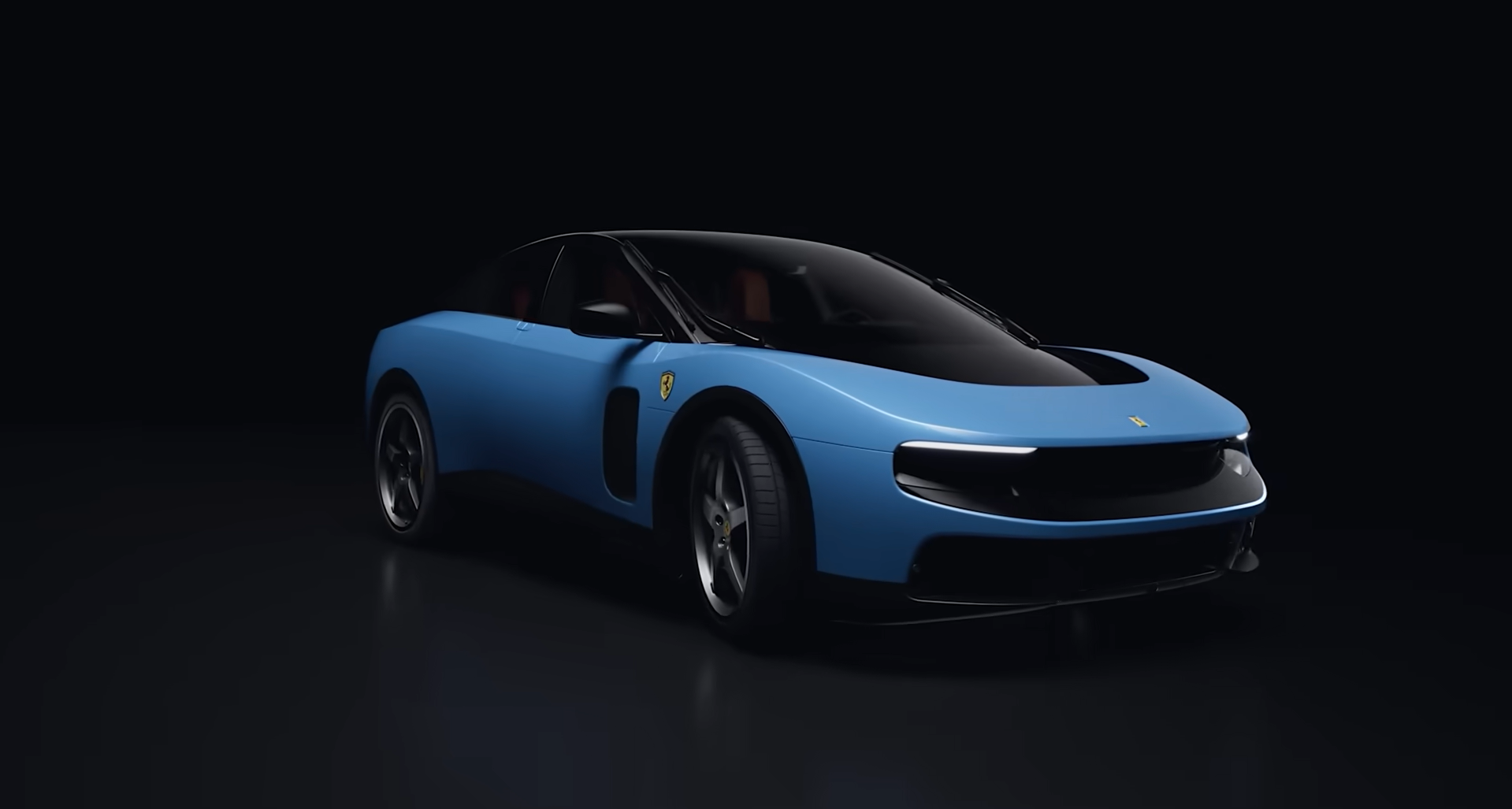
Industry observers note that the Luce’s reception highlights a recurring challenge for legacy automakers: balancing technological evolution with brand heritage. When companies like Ferrari venture into new design territories—especially in the high-stakes EV market—their financial and reputational capital is on the line. The Luce’s mixed reviews suggest that even a brand synonymous with prestige can face backlash when deviating from its established identity.
The Financial Stakes of Design Controversy
Ferrari’s decision to embrace a more restrained design for the Luce aligns with the broader trend of EV manufacturers favoring aerodynamic efficiency over aggressive styling. However, the backlash against the Luce’s aesthetic raises questions about whether Ferrari’s premium pricing strategy—currently supported by its iconic image—could be undermined by a design that fails to resonate with its traditional clientele.
Analysts point to the Luce’s underwhelming market response as a potential warning sign. While Ferrari has not disclosed specific sales figures for the Luce, industry reports suggest that the car’s reception has fallen short of expectations, particularly among enthusiasts who prioritize brand symbolism. This discrepancy could pressure Ferrari to re-evaluate its design approach for future models, particularly as the company expands its EV lineup.
Montezemo’s Criticism: A Test of Brand Loyalty
Montezemo’s public critique of the Luce’s design carries significant weight, given his decades-long association with Ferrari. His statement reflects broader concerns within the automotive community about the erosion of brand consistency in the pursuit of EV-friendly aesthetics. For Ferrari, which has historically leveraged its visual identity as a key differentiator in the luxury market, the Luce’s reception serves as a litmus test for how far the brand can stray from its roots without alienating its most loyal customers.
Ferrari’s response to this criticism will be closely watched by investors and industry peers. The company’s ability to reconcile its design evolution with its brand legacy will determine whether the Luce’s controversy becomes a footnote or a turning point in Ferrari’s transition to electrification.
What’s Next for Ferrari’s EV Strategy?
Ferrari has not indicated any immediate changes to the Luce’s design or production plans. However, the backlash suggests that the company may need to strike a more delicate balance between innovation and tradition in future models. As Ferrari continues to develop its EV lineup, the Luce’s reception underscores the importance of maintaining brand cohesion—especially in a market where emotional connection often outweighs purely functional considerations.
The Luce’s story is more than a design debate; it’s a microcosm of the challenges facing legacy brands in the electric era. For Ferrari, the question is no longer whether it can innovate, but whether it can do so without losing the very essence that defines it.
