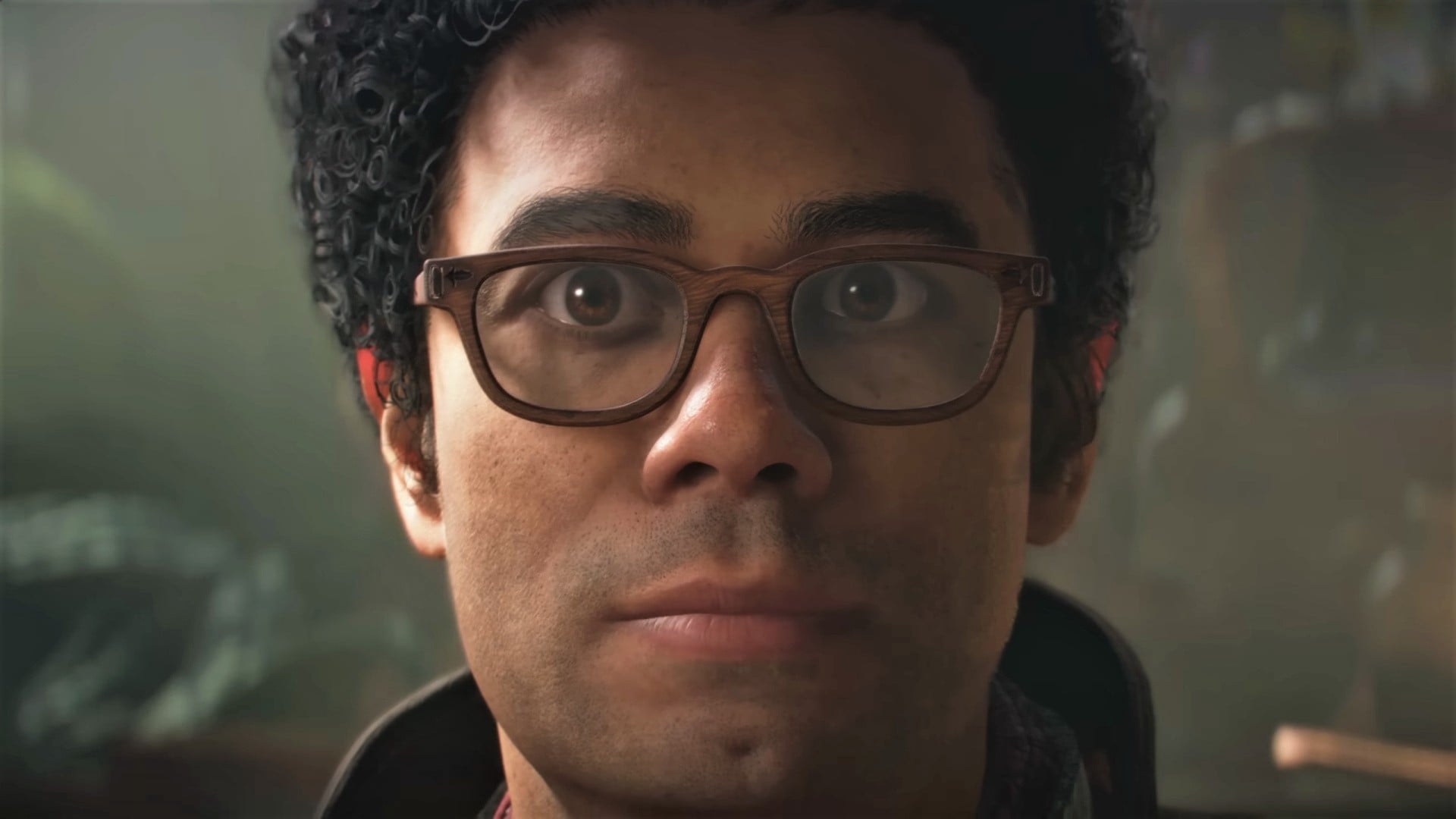
Xbox Delays Fable To February 2027, And It’s Basically Because Of GTA 6 – Pure Xbox: A Strategic Analysis of the Gaming Industry’s Biggest Scheduling Conflict
The gaming community has been blindsided by the latest update from Microsoft, as the highly anticipated reboot of the Fable series has been pushed back significantly. In a move that has sent shockwaves through the Xbox ecosystem, the title is now slated for a February 2027 release. While official corporate communications often cite “the need for further polish” or “ensuring the highest quality experience,” the industry consensus is far more pragmatic: the looming shadow of Rockstar Games’ Grand Theft Auto VI (GTA VI) has effectively rewritten the release calendar for every other major publisher.
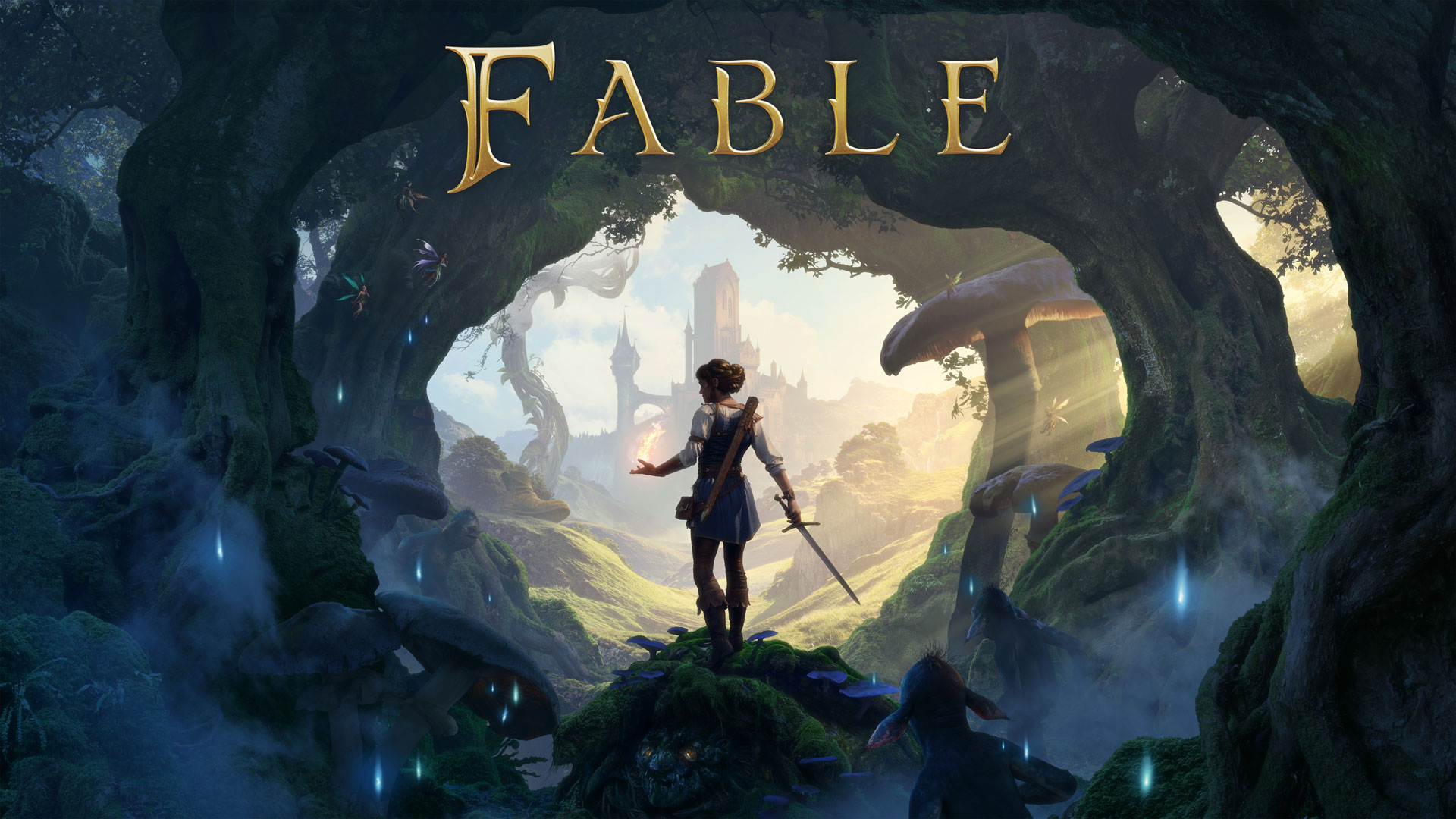
For fans who have waited over 16 years for a true return to the whimsical and morally complex world of Albion, the news that Xbox delays Fable to February 2027, and it’s basically because of GTA 6 – Pure Xbox, is a bitter pill to swallow. However, from a business perspective, this decision is less about development struggles and more about survival in a market where a single release can monopolize global consumer attention and spending for an entire fiscal year.
The Core of the Conflict: Why GTA VI Dictates the Calendar
In the world of AAA gaming, there is a phenomenon known as “the gravitational pull” of a mega-hit. Grand Theft Auto VI is not merely another game release; it is a cultural event. Historically, when Rockstar Games releases a flagship title, the surrounding months see a noticeable dip in the sales of other high-budget games. This is not necessarily because players stop buying other games, but because the “attention economy” shifts entirely toward the Rockstar behemoth.
When a game like GTA VI enters the conversation, it consumes the majority of the marketing oxygen. Media coverage, social media discourse, and reviewer bandwidth are all diverted. For Microsoft, launching Fable—a cornerstone IP intended to anchor the Xbox brand—within the same window as GTA VI would be an enormous strategic risk. The danger is not just a loss in immediate sales, but a loss of “mindshare.”
“Launching a prestige title against a Rockstar release is often described in the industry as ‘trying to hold a candle to a supernova.’ The risk of being overshadowed is almost 100%, regardless of the quality of the competing game.”
The “Black Hole” Effect of Mega-Releases
To understand why February 2027 was chosen, one must look at how consumers behave during the launch of a generational hit. GTA VI is expected to demand hundreds of hours of gameplay. When a player invests that much time into a single open-world experience, their appetite for other massive RPGs—like the new Fable—diminishes significantly. By pushing the release to 2027, Xbox is attempting to find a “clear runway” where Fable can be the primary focus of the gaming conversation.
- Consumer Wallet Fatigue: High-end games now cost $70 or more. Most gamers will prioritize a once-in-a-decade release over a reboot of an older franchise.
- Review Cycle Saturation: Major outlets can only cover so many “Game of the Year” contenders simultaneously.
- Digital Storefront Visibility: The algorithm of digital stores often favors the single most trending title, potentially burying other releases.
The Long Road Back to Albion: Fable’s 16-Year Odyssey
The frustration surrounding this delay is amplified by the sheer length of time fans have spent waiting. The Fable series, known for its unique blend of British humor, player-driven morality, and fairy-tale aesthetics, has been dormant in its primary form for nearly two decades. The original trilogy established a legacy of “consequence-based” gameplay that influenced many modern RPGs.
The journey toward this reboot has been fraught with complexity. Moving the project to a new studio and reimagining the world for the current generation of hardware (Xbox Series X|S and PC) is a monumental task. While the delay is strategically linked to GTA VI, it also suggests that the developers are utilizing this extra time to ensure the game meets the astronomical expectations of a fanbase that has waited 16 years.
| Fable Era | Key Focus | Status |
|---|---|---|
| The Original Trilogy | Morality, Whimsy, Linear-Open World | Legacy/Classic |
| The Reboot Development | Next-Gen Fidelity, Expanded Scale | In Production |
| February 2027 Window | Market Dominance, Polished Experience | Target Release |
Analyzing the Strategic Window: Why February 2027?
The selection of February 2027 is a calculated move. Typically, the “holiday rush” (October through December) is the most lucrative time for gaming, but it is also the most crowded. If GTA VI lands in late 2025 or 2026, the subsequent months will be dominated by its DLC, community content, and general hype.
By targeting February, Xbox is aiming for the “post-holiday lull.” This is a period where gamers have already spent their holiday budgets but are looking for a new, substantial experience to dive into during the winter months. It provides Fable with a window of exclusivity where it can dominate the headlines without competing against the largest entertainment product in history.
The Role of Xbox Game Pass
Unlike traditional releases, Fable will almost certainly launch day-one on Xbox Game Pass. This changes the financial calculus slightly. Microsoft does not rely solely on individual unit sales; they rely on subscription retention and new sign-ups. However, even with a subscription model, “engagement” is the primary metric. If users are spending 100% of their time in Los Santos (or wherever GTA VI takes place), the value proposition of Game Pass drops because the “new” content isn’t being played.
the delay ensures that Fable serves as a primary driver for Game Pass subscriptions in early 2027, rather than being a secondary option in 2026.
Industry Implications: The “Domino Effect” of Delays
The news that Xbox delays Fable to February 2027, and it’s basically because of GTA 6 – Pure Xbox, highlights a broader trend in the industry: the increasing fragility of release schedules. As development budgets balloon into the hundreds of millions of dollars, the cost of a “failed” launch—one where a game is overshadowed or released in a buggy state—is too high to risk.
We are seeing a “domino effect” where one major date shift forces five other publishers to reconsider their timelines. This leads to a fragmented release calendar where we see massive gaps followed by sudden clusters of titles. While this is frustrating for consumers, it is a defensive mechanism against the volatility of the current market.
Comparison with Past Strategic Shifts
This is not the first time a publisher has moved a game to avoid a “juggernaut.” In previous console generations, developers would often shift dates to avoid competing with Call of Duty or Pokémon. However, the scale of GTA VI is unprecedented. It is the only game in the current era that can realistically force a multi-year delay of a competing AAA title simply by existing.
Common Misconceptions About the Fable Delay
In the wake of the announcement, several narratives have emerged that require clarification to provide a balanced view of the situation.
“The Game is in Development Hell”
While a delay to 2027 sounds like “development hell,” it is important to distinguish between technical failure and strategic rescheduling. If the game were fundamentally broken, we would see reports of studio shake-ups or total restarts. Instead, the current indicators suggest a project that is progressing but is being intentionally held back for market timing.
“Xbox is Running Out of Games”
Critics often point to delays as a sign of a “content drought.” However, Microsoft’s strategy has shifted toward quality over quantity. Following the acquisition of Bethesda and Activision Blizzard, the company has a massive pipeline. Moving Fable doesn’t mean You’ll see no games; it means they are spacing out their “heavy hitters” to ensure each one gets the spotlight it deserves.
For those looking for more insight into how Microsoft is managing its portfolio, a related explainer on Xbox Game Pass strategy could provide further context on how they balance first-party releases.
The Impact on the Player Experience: Quality vs. Patience
The most immediate consequence of this delay is the emotional toll on the community. The phrase “devastating delay” is frequently used in fan forums. After 16 years, another year or two can feel like an eternity. However, there is a silver lining: the “polish” phase.
Modern open-world games are incredibly complex. The intersection of AI, physics, and narrative branching in a game like Fable requires rigorous testing. By extending the timeline to 2027, the developers have a buffer to eliminate bugs and refine the “feel” of the world. In an era where many AAA games launch in a broken state, a strategic delay is often a sign of respect for the consumer.
Key Takeaways for the Consumer
- Higher Polish: More time for QA (Quality Assurance) means a potentially smoother launch.
- Better Integration: More time to optimize for the latest Xbox hardware revisions.
- Clearer Focus: A release window where the game won’t be buried by GTA VI marketing.
The Broader Economic Context of AAA Gaming
To understand why a company like Microsoft makes these choices, one must look at the economic pressures of the 2020s. The cost of producing a “prestige” game has skyrocketed. Marketing budgets alone can reach tens of millions of dollars. If a game launches and is immediately ignored because the entire world is playing GTA VI, that investment is wasted.
the shift toward “Live Service” elements means that the launch is just the beginning. A successful launch creates a community that sustains the game for years. A muted launch—caused by poor timing—can kill a game’s momentum before it even starts, making it impossible to sustain a long-term live-service ecosystem.
| Risk Factor | Impact of 2026 Launch (Near GTA VI) | Impact of 2027 Launch (Post-GTA VI) |
|---|---|---|
| Media Coverage | Low (Overshadowed) | High (Primary Focus) |
| Player Engagement | Split/Divided | Concentrated |
| Initial Sales/Sign-ups | Suppressed | Optimized |
| Technical State | Rushed Polish | Refined Experience |
Frequently Asked Questions
Why is Fable being delayed specifically because of GTA VI?
While Microsoft may not explicitly state this in every press release, the industry recognizes that GTA VI is a “category-killer.” Its release creates a vacuum of attention and spending that makes it nearly impossible for other major titles to succeed commercially or culturally in the same window.
Is February 2027 a firm date?
In the gaming industry, dates are always subject to change. However, moving a date this far out suggests a strategic window rather than a minor tweak. It indicates that Microsoft has looked at the projected GTA VI timeline and decided that 2027 is the safest bet for a successful launch.
Will Fable still be on Xbox Game Pass?
Yes, it is highly expected that Fable will be a day-one Game Pass title. This is a core part of Microsoft’s strategy to drive subscription growth, though the timing of the release is still crucial for maximizing that growth.
Has the game been delayed before?
Yes, Fable has seen several shifts in its development timeline since it was first announced. This is common for “reboot” projects that are attempting to modernize a classic formula for a new generation of hardware.
What does this mean for the quality of the game?
Generally, more time in the “polishing phase” leads to a more stable product. While the delay is frustrating, it reduces the likelihood of the game launching with game-breaking bugs or unfinished systems.
As the industry prepares for the seismic shift that GTA VI will bring, the move to push Fable to 2027 serves as a case study in corporate caution. It is a admission that some games are simply too large to compete with. For the fans, the wait continues, but the hope is that the version of Albion that eventually arrives will be worth every single day of the 16-year journey. For now, the gaming world remains in a state of anticipation, watching as the giants of the industry rearrange their boards to avoid a collision with the most anticipated game of the decade.
